President Trump speaks after stalled Iran nuclear talks in Geneva as tensions rise and diplomatic efforts continue.
U.S. President Donald Trump says he is “not happy” with the direction of the Iran nuclear talks, yet he is not ready to abandon diplomacy. Speaking to reporters after another inconclusive round of negotiations in Geneva, Trump made clear that while progress has stalled, he is prepared to give the process more time before considering tougher measures.
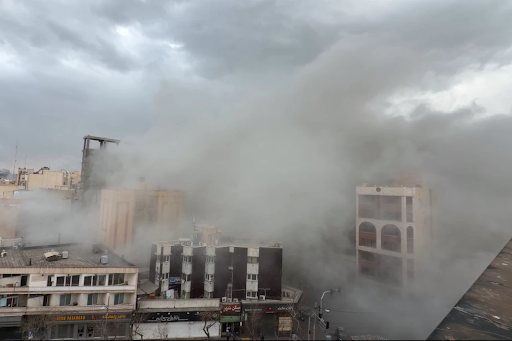
His comments come as American military forces increase their presence in the Middle East, a move that has heightened tensions across the region. Even so, the president’s latest remarks suggest he is keeping the diplomatic track alive, at least for now.
Frustration in Washington, Caution in the Region
The latest round of indirect talks between U.S. and Iranian envoys ended without a breakthrough. Trump expressed dissatisfaction with Iran’s negotiating position, arguing that Tehran has not gone far enough to meet U.S. demands. He reiterated that Iran “cannot have nuclear weapons” and insisted that the oil-rich nation has no legitimate need to enrich uranium for energy purposes.
At the same time, he avoided detailing how close he might be to authorizing military action. When asked directly about a potential strike, Trump declined to offer specifics, saying only that war always carries risks. His careful wording underscored the delicate balance between deterrence and escalation.
Meanwhile, U.S. Secretary of State Marco Rubio is preparing to travel to Israel early next week, a visit that could shape the next phase of diplomacy. The State Department said Rubio will meet Israeli leaders to discuss regional priorities, including Iran, Lebanon and broader security concerns.
Mediation Efforts Continue
Despite the White House’s frustration, mediators remain cautiously optimistic. Oman’s Foreign Minister, Badr al-Busaidi, who has played a central role in facilitating the talks, publicly urged patience. In an interview, he suggested that a deal remains within reach if negotiators are given the necessary space to resolve outstanding issues.
Al-Busaidi met with Vice President JD Vance before making those comments and described the discussions as constructive. According to him, there have been meaningful breakthroughs, including indications that Iran may be willing to limit its stockpile of enriched uranium and allow comprehensive inspections.
Iranian Foreign Minister Abbas Araghchi also signaled that Tehran’s position has been clearly outlined, though he stopped short of providing details. Iran continues to demand sanctions relief in exchange for limiting, but not eliminating, its nuclear activities.
International Oversight and Mounting Pressure
Complicating matters further, a confidential report from the International Atomic Energy Agency, led by Rafael Grossi, found that inspectors have not been granted access to certain sensitive nuclear sites since they were bombed during last year’s conflict between Israel and Iran. As a result, the agency said it cannot independently verify Iran’s claim that it halted uranium enrichment following U.S. and Israeli strikes.
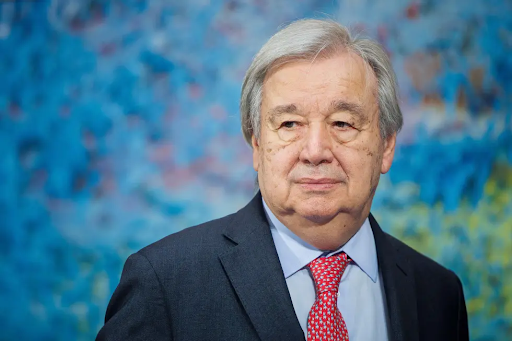
The United Nations has urged both sides to prioritize diplomacy. Secretary-General António Guterres warned that while encouraging messages have emerged from negotiations, increased military activity across the region remains deeply concerning.
Travel Warnings and Military Signals
The diplomatic uncertainty has prompted a wave of precautionary measures. The U.S. Embassy in Jerusalem authorized the voluntary departure of nonessential personnel and family members, advising those who wish to leave to do so quickly. Other countries, including the United Kingdom, Germany, Australia and China, have also issued travel advisories or reduced their diplomatic presence.
Airlines have begun suspending flights to and from Tel Aviv, reflecting broader concerns about regional stability. At the same time, the United States has assembled a substantial military presence in the Middle East, including aircraft carriers and additional warships.
Iran has warned that any U.S. strike would trigger retaliation against American forces stationed across allied Arab nations, raising the stakes considerably.
A Narrow Path Forward
For now, the Iran nuclear talks remain in limbo. Trump’s dissatisfaction signals impatience, yet his decision to allow negotiations to continue suggests he still sees value in diplomacy. With technical discussions scheduled in Vienna next week and high-level visits underway, the coming days may prove decisive.
Whether the talks yield a compromise or drift toward confrontation will depend on how much flexibility both sides are willing to show. As military preparations intensify and diplomatic channels remain open, the world watches closely to see which path ultimately prevails.