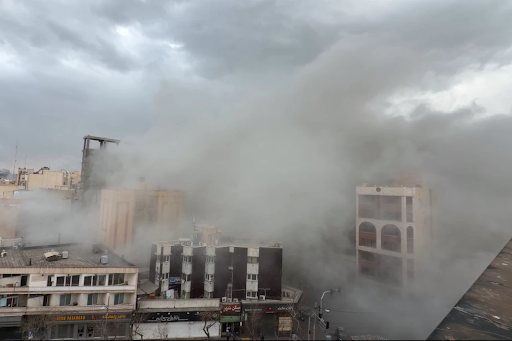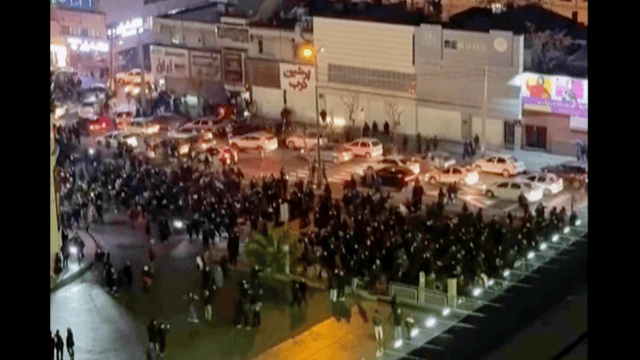
People block an intersection during a protest in Tehran on jan 8, 2026.
Iran is witnessing a sweeping wave of arrests weeks after authorities crushed nationwide protests.
Security raids, detentions, and surveillance efforts now stretch across cities, towns, and professional sectors.
Families search for missing relatives while activists warn the crackdown continues to widen.
Night Raids and Sudden Detentions
Security forces often arrive before dawn, catching families completely unprepared and frightened.
In one reported case, agents stormed a family home at 2 a.m.
Two sisters were awakened and forced to unlock their phones immediately.
Both women were then taken away for alleged protest involvement.
Friends said their arrests followed demonstrations held only a week earlier.
Similar raids have reportedly taken place across many Iranian regions.
Arrests Spread Across Society
Reports suggest the Iran protest arrests now affect broad sections of society.
Students, lawyers, doctors, teachers, and artists appear among those detained.
Business owners, athletes, and filmmakers have also been arrested recently.
Even reformist figures linked to President Masoud Pezeshkian reportedly faced detention.
Activists say many detainees remain isolated for weeks without outside contact.
Families often cannot locate them or confirm prison locations.
Lawyers also struggle to obtain permission for legal visits.
Numbers Remain Difficult to Verify
The U.S.-based Human Rights Activists News Agency estimates more than 50,000 arrests.
Independent verification remains extremely difficult because of restricted internet access.
Authorities imposed communication blackouts that limit reliable reporting.
Other monitoring groups outside Iran continue compiling detention lists carefully.
One committee confirmed over 2,200 individual arrests using verified family reports.
Those confirmed include students, children, lawyers, and medical professionals.
Organizers say surveillance cameras, shop footage, and drone recordings help identify protesters.
Authorities reportedly trace participants back to homes or workplaces for later arrest.
Protests Sparked by Economic Anger
The demonstrations began in late December after public frustration over soaring prices.
They quickly spread nationwide and drew massive crowds in many regions.
Peak protests occurred in early January across more than 190 cities.
Security forces responded with severe violence, according to activist organizations.
Rights groups claim thousands were killed during the unrest.
Iran’s government released a far lower official death toll in January.
Judiciary chief Gholamhossein Mohseni Ejehi publicly labeled protesters as terrorists.
He also urged courts to accelerate punishments against detainees.
Prison Transfers and Missing Detainees
Some detainees were initially held in Tehran’s Evin prison.
Later, several were transferred to Qarchak prison outside the capital.
Rights groups have long criticized Qarchak for overcrowding and poor sanitation.
Other detainees have vanished entirely after their arrests.
Families of several individuals report no contact since detention dates.
Some missing prisoners require urgent medical treatment for serious illnesses.
Legal groups also reported violent arrests in private homes.
In one case, agents allegedly beat a detainee severely during detention.
Financial and Legal Pressure Mounts
Authorities reportedly froze bank accounts belonging to some protesters’ families.
Officials also blocked SIM cards and seized certain personal properties.
Lawyers claim detainees increasingly face denial of proper legal representation.
Some defense lawyers themselves reportedly received court summons or detention threats.
Legal observers say due process protections now appear weaker than past crackdowns.
Civic Groups Continue Defiant Statements
Despite the pressure, several Iranian civic organizations still speak publicly.
The Writers’ Association described the protests as resistance against decades of corruption.
It also confirmed two of its members were detained recently.
Teachers’ unions urged families to publicly report detained students and minors.
Activists say at least 200 minors died during the security crackdown.
Organizers note new casualty names continue emerging almost daily.
Medical councils also urged authorities to stop targeting healthcare workers.
Professional associations warn continued pressure damages national institutions.
Economic Crisis Fuels Public Frustration
Public anger remains tied strongly to economic hardship and inflation.
Sanctions, corruption, and mismanagement have weakened Iran’s economy for years.
Currency values dropped sharply while consumer prices climbed to record highs.
Authorities launched new subsidy coupons for essential goods.
Labor groups and retiree unions still criticize both economic and political leadership.
Regional Tensions Add External Pressure
Meanwhile, U.S. President Donald Trump deployed military assets to the Persian Gulf.
He warned Washington could respond to executions or further killings of protesters.
Another American aircraft carrier is currently heading toward the region.
Iran’s leadership has survived protests and foreign threats before.
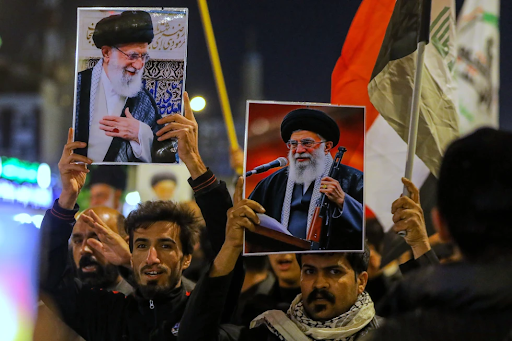
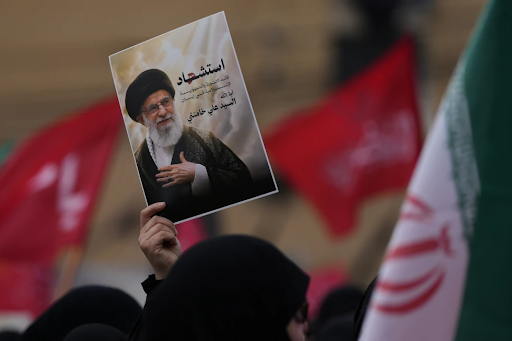
Authorities recently organized large pro-government rallies marking the 1979 revolution anniversary.
Still, some legal observers believe the harsh Iran protest arrests reveal deep official anxiety.
They argue the scale of the crackdown signals growing fear inside the leadership.