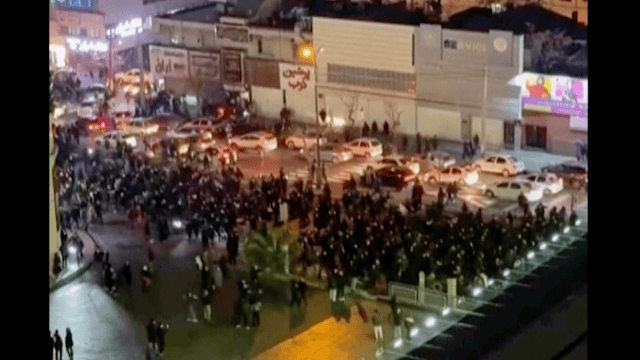
In this frame grab from video taken by an individual not employed by The Associated Press and obtained by the AP outside Iran shows people blocking an intersection during a protest in Tehran, Iran, Thursday Jan. 8, 2026.
Protests across Iran intensified as the country’s leadership warned of a severe response.
Demonstrations erupted despite widespread internet shutdowns and communication blackouts.
The unrest marks one of the most serious challenges to Iran’s ruling system in years.
The Iran protests began over economic distress.
They have since evolved into open defiance of the Islamic Republic.
Anger now targets the highest levels of power.
Supreme Leader Issues Stern Warning
Iran’s Supreme Leader Ayatollah Ali Khamenei signaled an imminent crackdown on protesters.
He accused demonstrators of destroying their own cities to please the United States.
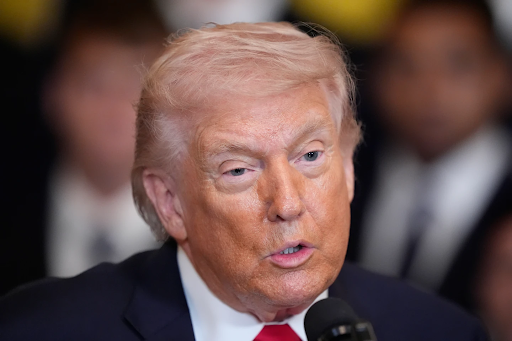
Khamenei dismissed U.S. President Donald Trump as an enemy with “bloodstained hands.”
Addressing supporters in Tehran, Khamenei said protesters were betraying the nation.
State television aired chants of “Death to America!” from the crowd.
The tone suggested little tolerance for continued dissent.
State media later labeled protesters as “terrorists.”
Such language has historically preceded violent suppression.
Human rights groups fear a repeat of past crackdowns during Iran protests.
Judiciary Promises Maximum Punishment
Iran’s judiciary chief, Gholamhossein Mohseni-Ejei, reinforced the threat.
He promised decisive punishment without legal leniency.
His remarks raised concerns of mass arrests and harsh sentencing.
Security forces had already warned families to keep children indoors.
Despite this, protests continued into Friday night.
The warnings failed to deter large crowds in several cities.
Rising Death Toll and Arrests
At least 65 people have reportedly died since the Iran protests began.
More than 2,300 others have been detained nationwide.
Figures were released by the U.S.-based Human Rights Activists News Agency.
Casualties highlight the growing human cost of unrest.
Many victims were reportedly peaceful demonstrators.
The government has not released comprehensive nationwide data.
Internet Blackout Fails to Stop Protests
Authorities cut off internet access and international phone lines.
The move aimed to isolate Iran from global scrutiny.
Still, short videos circulated through activist networks.
Footage showed fires burning in Tehran streets.
Crowds chanted slogans against the Supreme Leader.
Debris and bonfires marked protest zones across the capital.
One video from Saadat Abad showed thousands gathered.
A man was heard chanting, “Death to Khamenei!”
The scenes suggested protests remained widespread.
Trump Issues Stark Warning
President Trump reacted with sharp rhetoric.
He warned Iran against killing protesters.
Trump suggested U.S. retaliation would be swift and forceful.
He said any action would not involve ground troops.
Instead, strikes would target critical pressure points.
His comments followed a recent U.S. military action in Venezuela.
“Iran is in big trouble,” Trump said.
He claimed protesters were overtaking cities unexpectedly.
The remarks added tension to an already volatile situation.
European Leaders Condemn Violence
European leaders voiced concern over Iran protests.
Germany, Britain, and France issued a joint statement.
They condemned reports of deadly force against demonstrators.
The leaders urged Iran to respect freedom of expression.
They called for restraint and accountability.
The statement increased diplomatic pressure on Tehran.
Nobel Laureate Calls for Global Action
Nobel Peace Prize winner Shirin Ebadi criticized Iran’s rulers.
She urged Western governments to speak out more forcefully.
Ebadi said cruelty had become a governing strategy.
She rejected claims of moral authority by the regime.
Ebadi noted peaceful protesters were being shot.
Her remarks resonated widely among activists.
Role of Reza Pahlavi Gains Attention
The Iran protests also tested support for Reza Pahlavi.
The former crown prince called for demonstrations at fixed times.
Chants supporting the shah echoed through some crowds.
Support for the monarchy was once punishable by death.
Now, it reflects deep frustration with the current system.
Analysts say economic pain fueled this shift.
Pahlavi urged Trump to help protesters.
He accused leaders of using the blackout to kill dissenters.
His role remains controversial but influential.
A Critical Moment for Iran
The Iran protests show no clear signs of fading.
Communication blackouts have not silenced public anger.
Instead, they may have intensified global concern.
As threats of force mount, Iran faces a pivotal moment.
The coming days could reshape its political future.