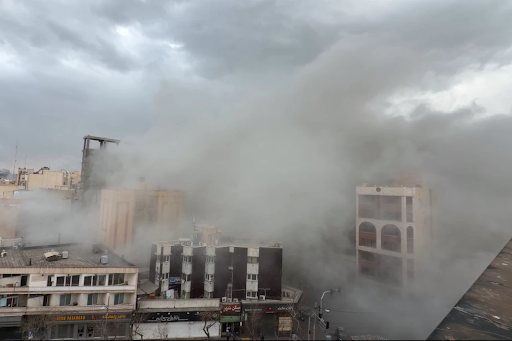
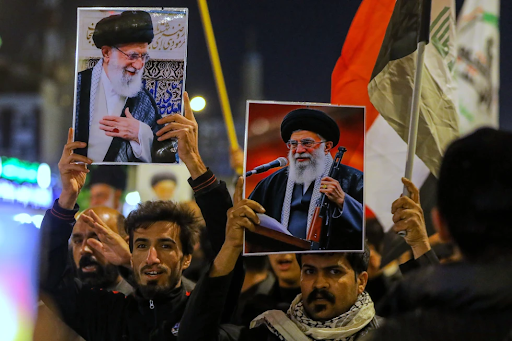
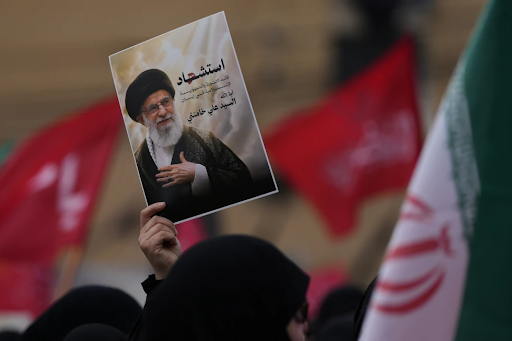
Protests march down in Tehran, Iran, Monday, Dec 29, 2025.
Widening protests across Iran have turned deadly as public anger over the struggling economy spreads beyond major cities. At least seven people have reportedly been killed during demonstrations, marking the first confirmed fatalities among protesters and security forces.
The deaths signal a possible shift toward a tougher response by Iran’s leadership. While protests have eased in Tehran, unrest has intensified in provincial and rural regions.
Growing Iran protests outside Tehran
The latest Iran protests have expanded into several provinces, particularly areas populated by the Lur ethnic community. Authorities confirmed two deaths on Wednesday and five more on Thursday. The incidents occurred across four cities.
These demonstrations are now the largest Iran protests since 2022. That year, nationwide unrest followed the death of Mahsa Amini in police custody. However, the current protests remain less intense and not fully nationwide.
Violence reported in Lorestan province
The most serious clashes were reported in Azna, located in Iran’s Lorestan province. The city lies about 300 kilometers southwest of Tehran.
Videos circulating online appeared to show fires burning on streets and gunshots ringing out. Protesters were heard shouting slogans condemning authorities. Iran’s semiofficial Fars news agency reported three deaths in Azna.
State-run media offered limited coverage of the violence. During earlier Iran protests in 2022, several journalists were arrested for reporting unrest.
Fatalities in Lordegan and Fuladshahr
In Lordegan, a city in Chaharmahal and Bakhtiari province, videos showed crowds gathering amid sounds of gunfire. Fars cited an unnamed official saying two people were killed there.
The Abdorrahman Boroumand Center for Human Rights in Iran identified both victims as demonstrators. The group also shared an image of a police officer carrying a shotgun.
Meanwhile, in Fuladshahr in Isfahan province, state media reported one death. Activist groups blamed security forces for opening fire on protesters.
Basij member killed during protests
Another fatality occurred during protests in Kouhdasht, also in Lorestan province. A 21-year-old volunteer from the Basij paramilitary force was killed Wednesday night.
State news agency IRNA confirmed the death without details. A Basij-linked outlet blamed protesters directly. Local official Saeed Pourali said the volunteer was killed while defending public order.
He added that 13 Basij members and police officers were injured. Authorities arrested 20 people after the protests, claiming calm has since returned.
Economic pressures behind Iran protests
Officials acknowledged that Iran protests are rooted in economic hardship. Rising inflation, currency volatility, and declining living standards have fueled public frustration.
Iran’s currency has sharply weakened. One U.S. dollar now trades for nearly 1.4 million rials. President Masoud Pezeshkian has admitted limited options to stabilize the economy.
Security response and political tensions
State television announced the arrest of seven people, including alleged monarchists and individuals linked to Europe-based groups. Authorities also claimed to have seized 100 smuggled pistols.
The government declared midweek public holidays, officially citing cold weather. Observers believe the move aimed to thin crowds in major cities.
Alongside economic chants, protesters have voiced anger at Iran’s ruling system. Tensions remain high following recent regional conflict involving Israel and the United States.
Iran has signaled openness to nuclear talks to ease sanctions. However, negotiations remain stalled, adding pressure to an already strained economy.