Iran US tensions escalate after a US submarine reportedly sinks Iran’s IRIS Dena frigate in the Indian Ocean, raising fears of wider Middle East conflict.
Tensions across the Middle East escalated sharply after Iran accused the United States of committing a dangerous act at sea. The warning came after a U.S. Navy submarine reportedly sank an Iranian warship in the Indian Ocean, triggering strong reactions from Tehran and fueling a broader regional conflict already involving Israel and several neighboring states.
Iran’s Foreign Minister Abbas Araghchi issued a stark message on Thursday, saying the United States “will come to bitterly regret” the precedent created by the attack. His statement marked the first official confirmation from the Iranian government that the frigate IRIS Dena had been destroyed off the coast of Sri Lanka.
Iran Condemns Sinking of Frigate Dena
According to Araghchi, the Iranian warship was operating in international waters roughly 2,000 miles from Iran when it was struck without warning. He described the incident as an “atrocity at sea,” emphasizing that the vessel had been on a friendly visit to India’s navy and carried nearly 130 sailors.
The frigate’s sinking reportedly occurred Tuesday night when a U.S. submarine fired a torpedo in the Indian Ocean. U.S. Defense Secretary Pete Hegseth later confirmed that American forces had targeted and destroyed the Iranian warship during ongoing military operations.
Sri Lankan authorities said rescue teams managed to save 32 crew members, while naval personnel recovered 87 bodies from the surrounding waters. The incident immediately intensified already rising tensions in the region.
Conflict Spreads With New Missile Attacks
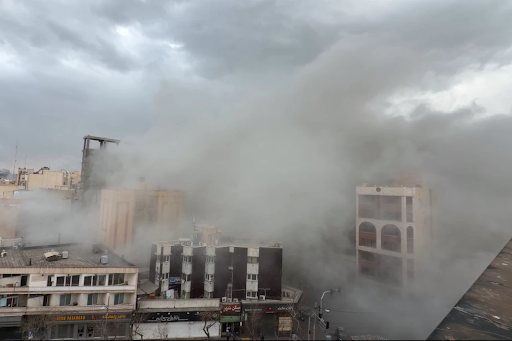
Shortly after the naval incident, Iran launched a new wave of strikes targeting Israeli and American military sites across the region. Air raid sirens echoed through major Israeli cities, including Tel Aviv and Jerusalem, as missile defense systems moved to intercept incoming projectiles.
Iranian state media also reported attacks on U.S. bases, signaling a widening battlefield beyond Iran’s borders. Meanwhile, Israeli forces responded with airstrikes targeting positions linked to the militant group Hezbollah in Beirut’s southern suburbs.
The conflict began days earlier when the United States and Israel launched coordinated attacks against Iran’s military leadership, missile systems, and nuclear facilities. Officials indicated that weakening Iran’s ruling structure was also among the objectives, though the timeline and scale of the campaign remain uncertain.
Rising Casualties and Regional Instability
The expanding conflict has already caused significant casualties across several countries. Iranian authorities report more than 1,000 deaths within Iran since the fighting began, while Lebanon has recorded more than 70 fatalities and Israel has reported around a dozen deaths.
The war has also disrupted global trade and energy markets. Maritime routes near the Strait of Hormuz, a critical corridor for global oil shipments, have become increasingly dangerous as attacks on vessels multiply.
An explosion near the coast of Kuwait early Thursday raised new concerns for commercial shipping. The United Kingdom Maritime Trade Operations center reported that a tanker may have come under attack, although the cause was not immediately confirmed.
As a result of the instability, Brent crude oil prices have surged about 15 percent since the conflict began, reaching their highest levels since mid-2024.
Uncertain Timeline for Military Operations
U.S. officials say military operations could continue for several weeks. During a Pentagon briefing, Hegseth suggested that the duration of the campaign remains flexible and could last anywhere from a few weeks to several months depending on battlefield developments.
“We set the pace and tempo,” he said, adding that sustained pressure was intended to keep Iranian forces off balance.
Although Israeli officials say Iranian missile launches have declined as launch sites are destroyed, air defense systems remain on high alert. Explosions were again heard across Israel early Thursday as defensive systems intercepted additional missile waves.
Leadership Crisis Inside Iran
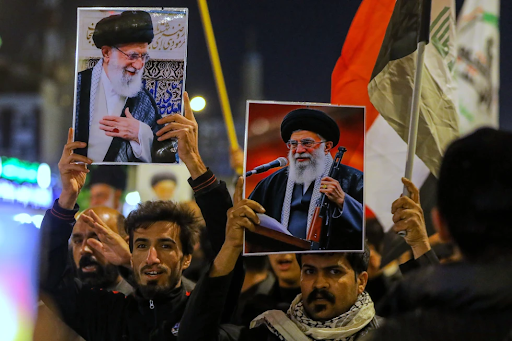
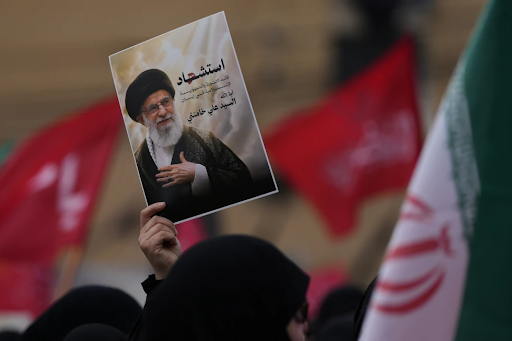
The conflict has also triggered a major political transition inside Iran following the death of Supreme Leader Ali Khamenei earlier in the fighting. His death marked the end of a 37-year rule and forced Iran’s clerical leadership to begin selecting a successor.
Potential candidates include both hardline figures advocating continued confrontation with Western powers and reform-minded leaders favoring diplomatic engagement. Among those occasionally mentioned is Khamenei’s son, Mojtaba Khamenei, though he has never held an official government role.
As political uncertainty deepens and military exchanges intensify, analysts warn the conflict could further destabilize the Middle East if diplomatic channels fail to reopen.For now, the sinking of the IRIS Dena and Iran’s sharp warning to the United States have added another volatile chapter to a rapidly escalating regional crisis.