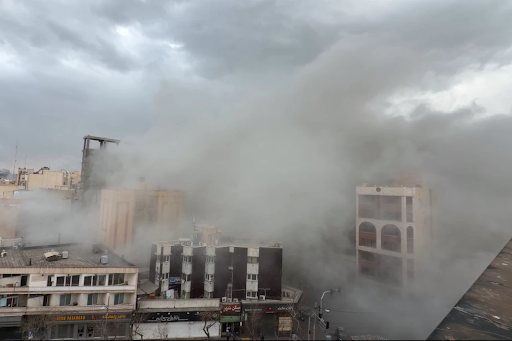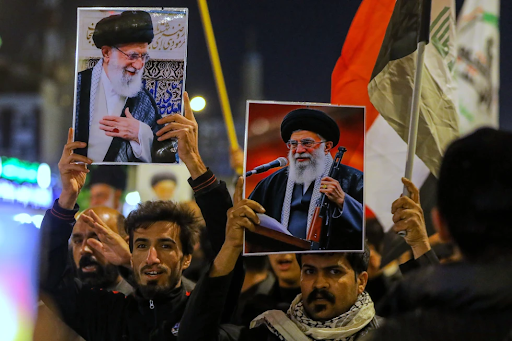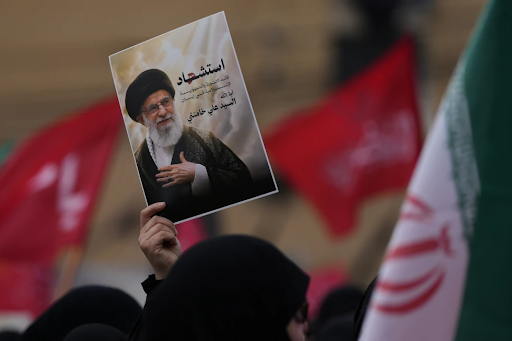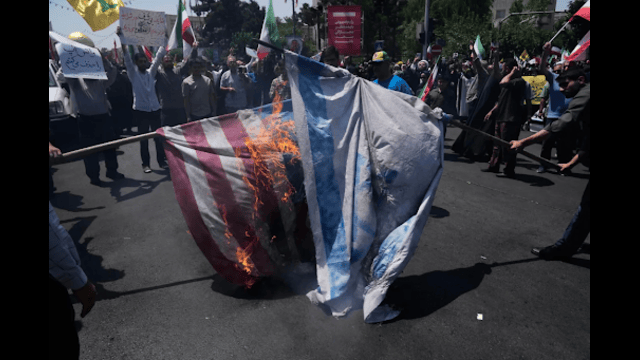
Iranian protestors burn representations of the Israeli and U.S. flags during a protest to condemn Israeli attacks on multiple cities across Iran, after the Friday prayers ceremony in Tehran, Iran, Friday, June 20, 2025.
Iranian protests are expanding across cities and regions. Global attention is sharpening. Israel is watching closely. The unrest inside Iran comes amid renewed warnings from the United States. Those warnings could raise regional tensions.
Israel’s leadership has made clear statements. Prime Minister Benjamin Netanyahu addressed the issue during a cabinet meeting. He praised the courage of Iranian protesters. He condemned violence against civilians. He also spoke about future relations.
Netanyahu said the world is witnessing the bravery of Iranian citizens. He added that Israel hopes for a different future. According to him, ties between Israel and Iran could be rebuilt after political change. His remarks focused on solidarity, not intervention.
Israel Closely Monitoring Iranian Protests
Israel has confirmed it is closely monitoring Iranian protests. Officials described the situation as fluid and sensitive. However, Israeli authorities stressed restraint.
Israel’s military stated there are no new safety guidelines for civilians. No instructions were issued to stay near bomb shelters. That typically happens only during direct threats.
The military also described the protests as an internal Iranian matter. Still, officials said Israel remains prepared. They warned that any attack would meet a strong response.
Quiet Diplomatic Contacts Behind the Scenes
Israeli and American officials have been speaking privately. Netanyahu and U.S. Secretary of State Marco Rubio discussed Iran overnight. The conversation covered broader regional issues.
An Israeli official confirmed the call. The official requested anonymity. They were not authorized to speak publicly.
These discussions highlight growing concern. Iranian protests could intersect with military tensions. That risk worries policymakers in Jerusalem and Washington.
No Immediate Desire for Another War
Security analysts say neither side wants escalation. Former Israeli intelligence official Danny Citrinowicz shared this view. He previously led Iran research within Israeli military intelligence.
Citrinowicz said Israel is unlikely to launch an attack now. Iran’s leadership is distracted by protests. That makes them unpredictable, not weak.
From Iran’s perspective, escalation would be risky. The government wants to restore stability. Diverting attention toward Israel could worsen internal pressure.
Lessons From the Recent Israel-Iran Conflict
The region recently endured a brief but deadly war. The conflict lasted twelve days during the summer. Israel targeted Iranian nuclear and military sites.
Israel said it acted to prevent nuclear weapon development. Iran insists its nuclear program remains peaceful.
According to rights groups, Israeli strikes killed over 1,100 people in Iran. Thousands more were wounded. Iranian missile attacks killed nearly 30 people in Israel.
That experience weighs heavily on decision-makers. Analysts say memories of the conflict discourage renewed fighting.
Threats From Tehran Raise Alarm
Despite caution, rhetoric remains sharp. Iran’s parliament speaker issued a warning Sunday. He said U.S. forces and Israel would be legitimate targets.
Lawmakers echoed slogans inside parliament. The message was defiant and loud.
Meanwhile, U.S. President Donald Trump issued warnings online. The State Department backed his statements. Officials said Trump follows through on threats.
Could Military Action Hurt Iranian Protests?
Experts warn of unintended consequences. Citrinowicz said attacks could weaken Iranian protests. External threats may unite the public behind the regime.
A sense of nationalism could override dissent. Protest momentum might slow. That risk tempers calls for military pressure.
Israel Avoids Meddling in Internal Iranian Affairs
Israel’s main concern remains security. Ballistic missiles and regional threats top the list. Internal Iranian politics do not.
Iran expert Menahem Merhavy echoed this stance. He said Israel will not interfere unless missile threats escalate.
Merhavy added that an Iranian attack would be disastrous for Tehran. Strong Israeli retaliation would draw little global sympathy.
He noted Israel could offer limited help, like internet access support. Even that, he said, remains unlikely.
For now, Israeli officials agree on one point. Iranian protests are Iran’s issue. Israel is watching, not intervening.