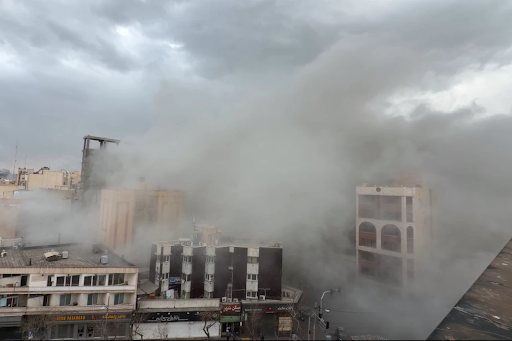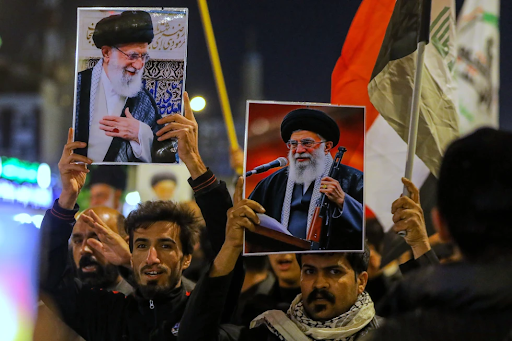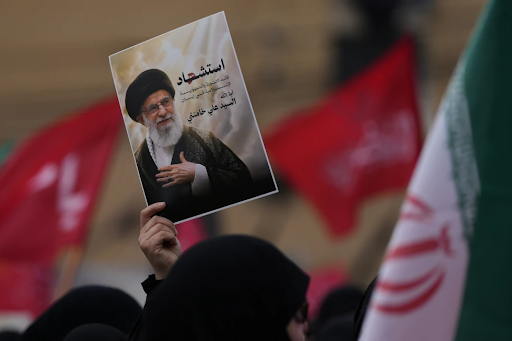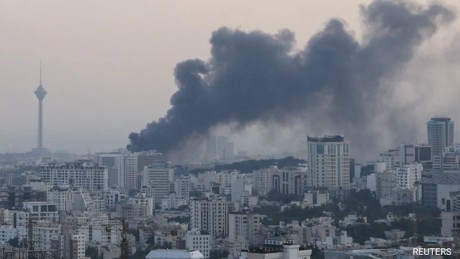
The escalating conflict has received mixed reactions from the people.
Little Persia, a vibrant Los Angeles neighbourhood home to nearly half a million Iranian Americans, has become a hotbed of emotion following the recent U.S. and Israeli military strikes on Iran. The strikes targeted military and nuclear facilities and included the use of a 30,000-pound bunker-busting bomb authorized by former President Donald Trump.
While anger toward Iran’s Islamic government runs deep here, not everyone agrees on the method of action taken by the U.S. and Israel.
Divided by Bombs, United by Pain
In Tehrangeles—a nickname for this West L.A. enclave—hatred for Iran’s regime is intense and nearly universal. But views on the military action vary. Iranian Jews interviewed by Reuters were vocally supportive of the strikes, hoping they weaken the regime. In contrast, many Iranian Muslims expressed mixed feelings. They oppose the regime but fear another prolonged Middle Eastern conflict.
Fear Lingers, Even Across Borders
Reza, a 38-year-old Iranian Muslim and college professor, left Iran 15 years ago. Despite living in the U.S., he received a chilling warning from an Iranian official through his sister's phone. He was told to stop criticizing the Islamic Republic online—or risk his sister’s safety.
"I'm happy the nuclear program is being dismantled," Reza said. "But my heart aches for my family back in Iran. It's a dangerous time, and I don't want the U.S. trapped in another war."
Iranian Jews Celebrate Regime Strikes
Just a few blocks away, outside a Starbucks, a group of Iranian Jewish men were openly celebrating the bombings.
Shawn, 72, a mortgage broker, didn’t hold back. “This regime tortures its own people. They imprison and kill dissenters. These mullahs are a threat to the whole region,” he said. “It’s time for them to go.”
Sol, 58, who fled Iran in 1983, echoed the sentiment. “Israel is doing a very good job. We want those mullahs out!”
A Nation on Edge
The strikes mark the largest joint military action by the U.S. and Israel against Iran since the 1979 revolution. The world now waits for Iran’s response. While Iranian officials have condemned the attacks, they have not yet retaliated.
Iran maintains that its nuclear ambitions are peaceful. Its U.N. Ambassador accused the U.S. and Israel of sabotaging diplomacy.
Pain for Those Left Behind
Roozbeh, a mechanical engineer who left Iran in 2007, is deeply concerned for his family in northern Iran, a region struck by Israeli bombs for the first time this week.
“I support the action if it helps end the regime,” he said. “But it’s hard knowing my parents and brothers are still there.”
Younger Generation Seeks Change, Not Chaos
Younger Iranian Americans, though fiercely anti-regime, are more cautious about war. Raha, 33, was born in the U.S. but has visited Iran frequently. She recalled a terrifying experience with Iran’s morality police over her hijab and reflected on the death of Mahsa Amini in 2022.
Still, Raha did not mourn the recent Israeli strike that killed a top figure in Iran’s Revolutionary Guard. “That’s a good thing. We want the whole regime gone,” she said. “But at what cost?”
Hope for Change, Fear of Fallout
The Iranian Americans community in Los Angeles is emotionally torn. While many welcome the attacks as steps toward dismantling a brutal regime, they are equally fearful for loved ones still in Iran and weary of war’s unpredictable toll.
The strikes have lit a fuse in the hearts of Little Persia—one that burns with both hope and anxiety.