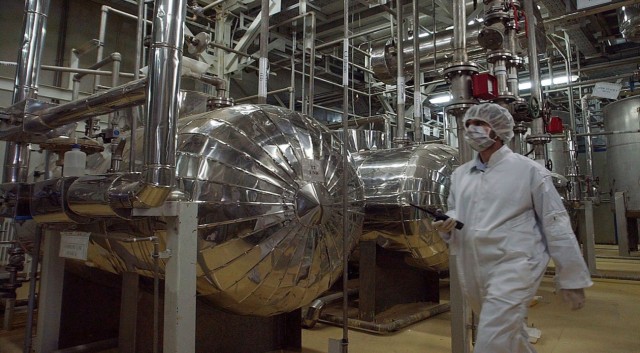
An Iranian security official in protective clothing walks through part of the Uranium Conversion Facility just outside Isfahan, Iran,
In an unprecedented military move, Israel launched a sweeping airstrike across Iran early Friday, targeting its nuclear infrastructure and military leadership. The Israeli Defense Forces (IDF) deployed over 200 fighter jets in what is being called a synchronized operation, hitting more than 100 strategic sites. The offensive has sent shockwaves through the Middle East and sparked fears of a broader regional war.
Massive Israeli Airstrike Hits Iranian Nuclear and Military Targets
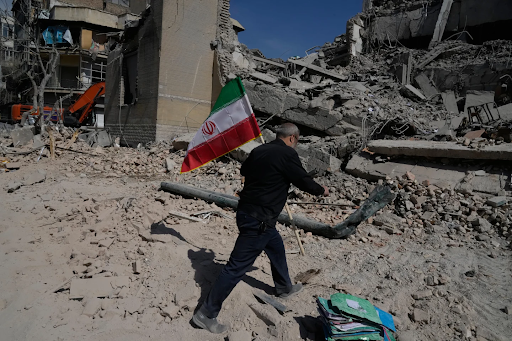
According to IDF spokesperson Effie Defrin, Israeli jets dropped more than 330 munitions on Iranian soil. Key targets included military installations and facilities linked to Iran's nuclear program. The operation marks one of Israel’s largest single-day air campaigns in recent history.
Defrin described the strikes as “precise and ongoing,” stating that Israeli pilots were still engaged in combat operations across various regions of Iran. This sudden escalation follows growing international concern over Iran’s nuclear ambitions and its expanding stockpile of enriched uranium.
US Issues Alert as Iran Vows Retaliation
Following the strikes, the US Embassy in Israel instructed all American government employees and their families to shelter in place. A security alert warned of possible retaliatory attacks and advised US citizens to remain vigilant and locate the nearest emergency shelters.
Iran’s foreign ministry quickly condemned the attacks, accusing the US of backing Israel. Tehran declared its right to retaliate, warning that it “will not hesitate to defend the nation.”
Inside Iran’s Nuclear Controversy
At the heart of the conflict lies Iran’s disputed nuclear program. While Tehran claims it is pursuing nuclear technology for peaceful purposes, the International Atomic Energy Agency (IAEA) recently declared Iran in breach of its non-proliferation obligations.
A new IAEA report revealed Iran now possesses 408 kg of uranium enriched to 60% purity—dangerously close to weapons-grade level. This amount, if further enriched, could fuel up to nine nuclear bombs. Iran continues to insist that its right to uranium enrichment is non-negotiable.
Civilian Shock and Regional Airspace Closures
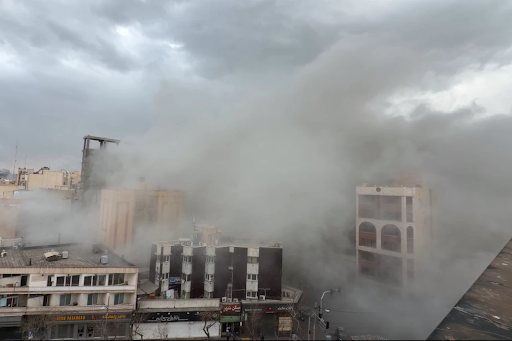
Negar Mortazavi, an Iranian-American political analyst, shared that civilians in Iran endured a terrifying night. “People heard jets, explosions, and woke up to smoke and debris,” she said.
Meanwhile, Jordan temporarily closed its airspace as a precaution. Israel and Iran also suspended civilian air traffic. Flight tracking platforms showed nearly empty skies over the two nations by Friday morning.
Global Reactions to Israel’s Attack on Iran
World leaders reacted swiftly. Saudi Arabia condemned the Israeli strikes as a violation of international law. China urged its citizens in Iran to avoid crowded areas and remain cautious. Australia and New Zealand expressed alarm, urging all sides to return to diplomacy.
The United Nations called for immediate restraint. UN Secretary-General António Guterres warned against any further military escalation.
India said it was closely monitoring the situation and urged both nations to avoid further conflict. India also emphasized its strong ties with both countries and called for de-escalation.
Top Iranian Military Leaders Killed in Israeli Strike
The Israeli assault claimed the lives of some of Iran’s most powerful military figures. State media confirmed the deaths of:
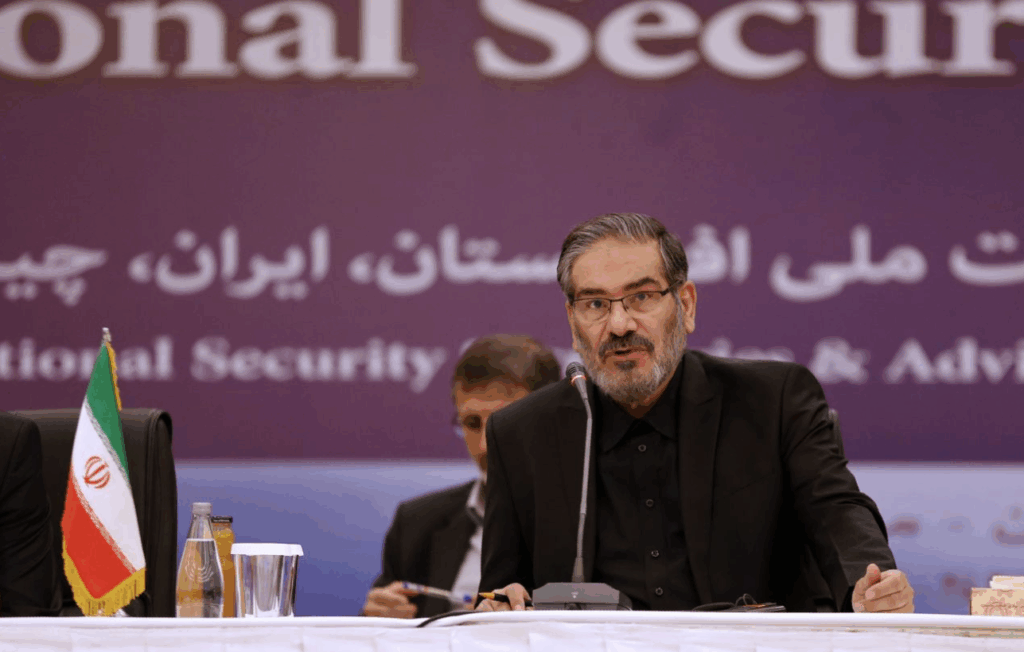
Ali Shamkhani, former national security chief and key adviser to Supreme Leader Ayatollah Khamenei.
Major General Hossein Salami, commander of Iran’s Islamic Revolutionary Guard Corps (IRGC).
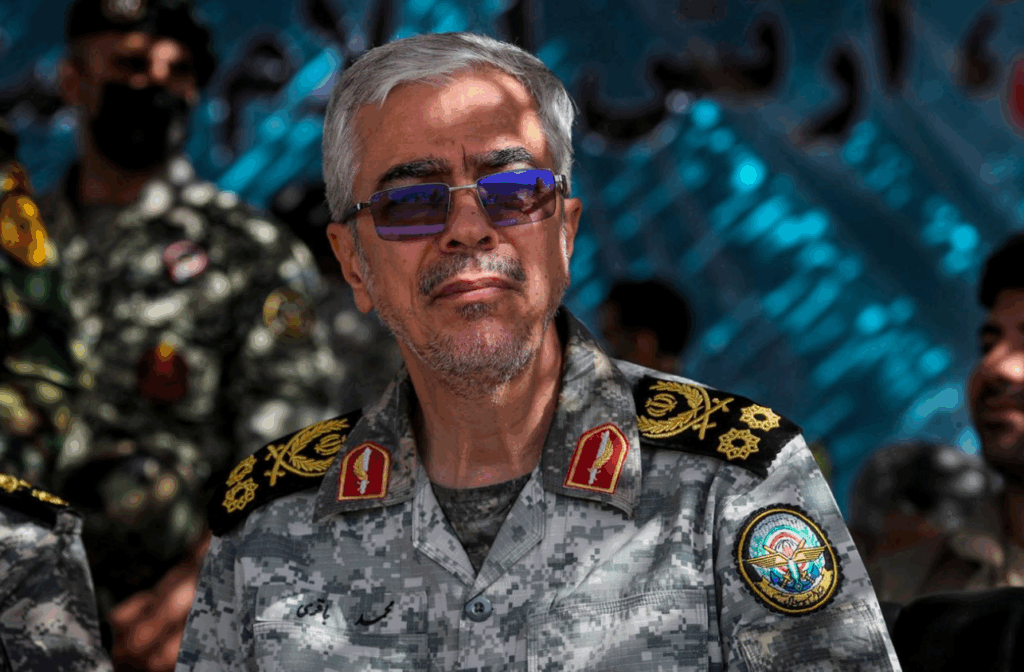
Major General Mohammad Bagheri, chief of staff of Iran’s armed forces and the country’s top-ranking military officer.
These assassinations represent a devastating blow to Iran’s military hierarchy and signal the high level of planning involved in Israel’s operation.
Iran Responds with Drone Offensive
Iran retaliated quickly, launching more than 100 drones toward Israeli airspace. IDF spokesperson Defrin said all aerial defense systems were activated to intercept the attack.
“This is unlike anything we’ve dealt with before,” Defrin warned. “We are bracing for difficult hours ahead.”
What Lies Ahead?
As tensions between Israel and Iran reach a boiling point, fears of a larger war loom. The possibility of further retaliation, involvement of proxy militias, and disruption to global energy routes have prompted calls for urgent diplomacy.
With nuclear stakes in play and high-profile casualties on both sides, the situation remains volatile. The world watches closely as the Middle East stands on the brink of a potentially transformative conflict.