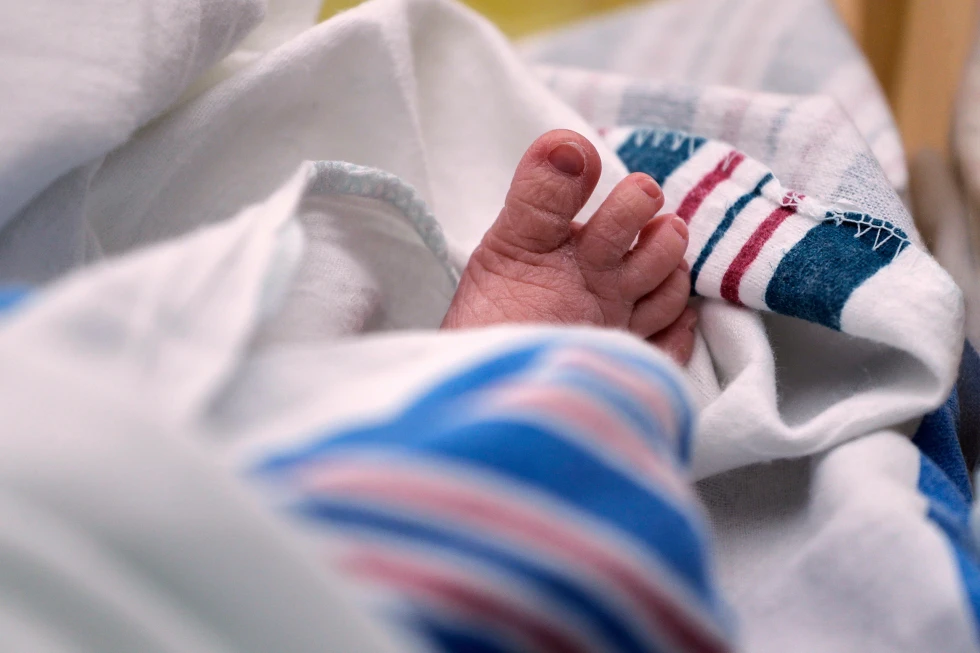
A month after Hurricane Melissa, Jamaica has declared an outbreak of the bacterial disease leptospirosis, which is suspected to have caused six deaths. (Credit: CTV News)
Jamaica is confronting a rising health emergency as cases of leptospirosis climb sharply in the wake of Hurricane Melissa. The storm battered the island in late October, leaving behind massive flooding, landslides and contaminated water that now pose a severe public health risk.
Health Minister Christopher Tufton confirmed that nine cases were detected between October 30 and November 20. Another 28 suspected cases are under investigation. Officials fear the disease has already caused six deaths, marking one of the country’s most troubling post-storm outbreaks in recent years.
How the Outbreak Started
Hurricane Melissa made landfall on October 28 as a Category 5 storm. It dumped nearly 30 inches of rain across several parishes. Entire communities were submerged. Landslides cut off access to towns. Pools of stagnant water remained for days.
This mix of flooding and debris created fertile conditions for leptospirosis. Contaminated water accumulated near homes, farms and public areas, heightening exposure risks for thousands of residents.
What Makes Leptospirosis Dangerous
Leptospirosis spreads through water or soil tainted by the urine of infected animals, especially rodents. The bacteria can enter the body through even the smallest skin break. It can also pass through the eyes, nose or mouth.
Early signs often resemble the flu. People may develop fever, headaches or muscle pain. But the illness can escalate quickly. Severe cases may lead to kidney failure, liver damage, meningitis or internal bleeding. Without prompt treatment, it can be fatal.
Who Is Most at Risk
Minister Tufton warned that anyone involved in post-storm recovery could be exposed. This includes farmers working on damaged fields, volunteers clearing debris, emergency teams restoring services and residents moving through flooded streets.
He urged people to avoid contact with stagnant water whenever possible. Protective clothing, disinfected boots and gloves were recommended for all outdoor recovery work.
The Aftermath of Hurricane Melissa
The hurricane left a trail of destruction valued at an estimated US$10 billion. Tourism hubs suffered heavy losses. Agricultural lands were washed out. Nearly 200,000 buildings were damaged or destroyed.
As the nation focuses on rebuilding, the health crisis has made recovery even more challenging. Communities already struggling with power outages, road damage and water shortages now face the added burden of a dangerous infectious disease.
Government Response and Public Warnings
The Ministry of Health has expanded surveillance efforts across affected parishes. Medical teams are testing water sources, tracing suspected cases and distributing information on symptoms and prevention.
Residents have been asked to report fever-like illnesses immediately. Clinics have been stocked with antibiotics used to treat the infection. Teams are also coordinating with local authorities to clear debris and improve drainage in highly affected zones.
A Race to Contain the Spread
With more infections expected, health officials stress that early detection remains crucial. The combination of widespread flooding and disrupted infrastructure has made containment more complex.
Yet authorities remain hopeful that rapid intervention, stronger public awareness and improved environmental cleanup efforts will slow the outbreak.
As Jamaica rebuilds after one of its most destructive storms in recent memory, it now faces another urgent challenge—protecting communities from an unfolding health threat rooted in the very waters the hurricane left behind.