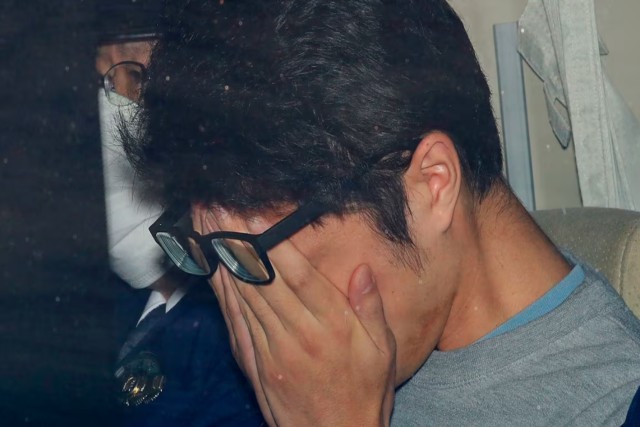
Takahiro Shiraishi leaves a police station in Hachioji, suburbs of Tokyo, in November 2017.
Japan has carried out the death sentence of Takahiro Shiraishi, infamously known as the Twitter Killer. The 34-year-old man was executed by hanging on Friday at Tokyo Detention House. His crimes — the brutal murder and dismemberment of nine people — shocked the nation and exposed the dark side of social media.
A Killer Who Hunted on Twitter
Shiraishi’s case drew national attention due to its disturbing nature and his use of Twitter, now known as X, to lure victims.
Between August and October 2017, he contacted individuals who had posted about suicidal thoughts online. Using a handle that loosely translated to "hangman," he invited them to his apartment in Zama, Kanagawa Prefecture, promising to help them end their lives.
However, instead of offering comfort or support, he murdered them.
Victims Aged Between 15 and 26
Shiraishi preyed on vulnerable individuals. The victims — eight women and one man — were between the ages of 15 and 26.
Many of them had made public pleas for help on social media, expressing thoughts of suicide. Shiraishi used these cries for help to manipulate and eventually murder them.
In court, he admitted that his actions were sexually motivated. The crimes were not acts of mercy, as he initially claimed, but were driven by personal gratification.
Discovery of Human Remains
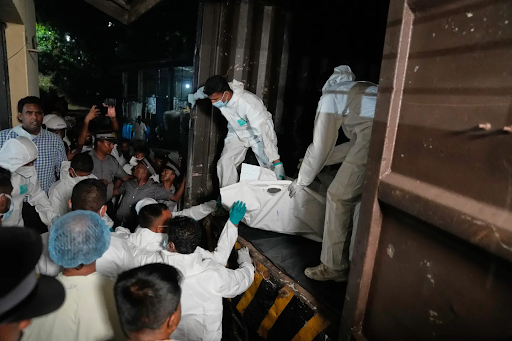
Police arrested Shiraishi in October 2017 after a 23-year-old woman went missing. She had communicated with Shiraishi on Twitter prior to her disappearance. A search of his apartment revealed a gruesome scene — three cooler boxes and five containers containing body parts, including severed heads and stripped bones.
The shocking discovery stunned Japan and sparked debates about online safety and mental health support.
A Chilling Confession and Swift Justice
During the trial in 2020, Shiraishi pleaded guilty to all charges, which included murder, rape, and dismemberment. The Tokyo District Court found him guilty and sentenced him to death. His defense initially argued diminished mental capacity, but Shiraishi himself withdrew his appeal, leading to a finalized death sentence.
Justice Minister Keisuke Suzuki, speaking at a press conference on Friday, called it a “deeply serious incident driven by selfish motives such as sexual and financial gratification.”
“This case has caused immense anxiety and heartbreak across society, particularly for the families of the victims,” he said.
Execution Carried Out in Secrecy
In Japan, executions are shrouded in secrecy. The exact timing is kept confidential until after the act is completed. Even the inmate’s family and legal representatives are informed only after the execution has taken place.
Shiraishi’s execution is the first in the country since July 2022, marking the resumption of Japan’s use of capital punishment after nearly three years.
Justice Minister Suzuki stated that the order was signed after a “thorough and deliberate” review of all aspects of the case.
Online Safety in the Spotlight
The Twitter Killer case has sparked important discussions about the role of social media in society. It exposed how online platforms can be misused by predators to exploit vulnerable individuals.
In the aftermath of the murders, Japanese authorities faced pressure to improve online safety and mental health services, particularly for young people dealing with suicidal thoughts.
Shiraishi’s crimes serve as a grim reminder of the dangers lurking on digital platforms and the urgent need for proactive support systems.