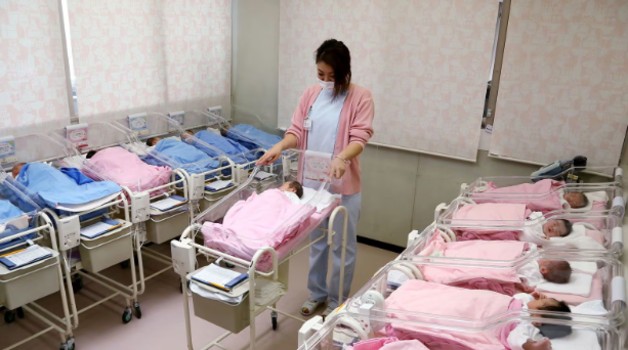
Nurses care for newborns in the nursery ward of a hospital in Misato City, Saitama Prefecture, Japan. Getty Images
Nurses care for newborns in the nursery ward of a hospital in Misato City, Saitama Prefecture, Japan. Getty Images
In Japan, some parents have been giving their children unique names like "Nike," "Pikachu," or even "Pudding." These unusual names have become more common over the years as parents try to break away from traditional choices. But these names often cause problems for schools, hospitals, and other places because people don’t know how to say them.
New Rules Aim to Stop Confusion
Starting Monday, the government introduced new rules to limit these "kirakira" or sparkly names. The rules stop parents from using strange or uncommon ways to pronounce Kanji characters, which are the Chinese characters used in Japanese names.
Some people feel these names are a way for parents to express their child’s uniqueness and should be allowed. One social media user said, “They’re not children of the nation, right? They’re children of their parents.”
But many others support the new rules. They worry that children with unusual names might face bullying or have trouble with everyday tasks like registering for schools or opening bank accounts. One comment said, “Why do certain people put kirakira names on their kids? It just causes those kids to be bullied.”
How Kirakira Names Work
Japan uses Kanji characters for names, and each character can have many different pronunciations. Usually, people figure out the right way to say a name by looking at the whole sentence or phrase.
With kirakira names, parents pick characters that sound like popular words or names from outside Japan. For example, they might want the name to sound like "Pikachu," so they pick characters that don’t usually go together. This makes it hard for teachers or doctors to guess how to say the name correctly.
This problem is similar to how some parents in the U.S. use unusual spellings for common names, like "Ashleigh" instead of "Ashley."
What the New Rules Mean
The new law says parents can only use common pronunciations of Kanji characters when naming their child. Parents must include the pronunciation with the name when they register it. If officials think the pronunciation doesn’t match the Kanji, they might reject the name or ask for extra papers.
The Bigger Picture
This is not the first time Japan has controlled names. For example, married couples must share the same last name, which causes debate, especially among women’s rights groups.
The rise in unusual names over the past 40 years shows a change in Japanese society. Parents seem to want their children to be unique and independent. Girls especially get these kirakira names more than boys. This might show that parents have different hopes for their daughters and sons.
Japan is not alone. Other countries, like the U.S. and China, also see parents choosing more unique names. In America, unusual names have grown because people value individuality more now. China sees a similar trend, especially for girls.
However, many countries have rules to keep names reasonable. In the U.S., some states limit what letters you can use in a name. Germany stops names that might harm a child, like “Gastritis.” New Zealand bans titles like “King” or “Prince” as names.
Japan’s new rules reflect a balance. The government wants to protect children from problems caused by unusual names but still respect parents' choices.