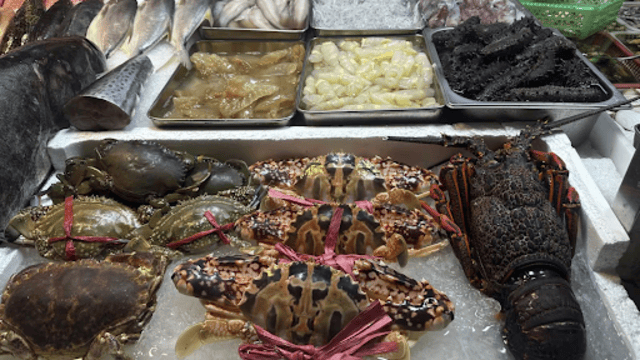
Seafood is seen at a market in Beijing on Dec. 29, 2024, a few months after China stopped buying seafood from Japan in August 2023. AP
China has reopened its markets to most seafood products from Japan. This comes after nearly two years of a strict ban that began in August 2023. The restriction followed Japan’s decision to release treated wastewater from the damaged Fukushima nuclear plant into the ocean.
On Sunday, China’s customs agency announced the end of the ban. Imports from most areas of Japan can now resume. This is a major boost for Japanese seafood exporters, especially those dealing in scallops and sea cucumbers.
Fukushima Disaster Sparked the Conflict
The 2011 earthquake and tsunami caused massive damage to the Fukushima nuclear plant. To keep the reactor fuel cool, water continues to be pumped in. That water, which becomes slightly radioactive, is treated and stored.
Eventually, Japan decided to release the treated water into the sea. Officials claimed the water was safe, as it had been cleaned and diluted. They said the process met international safety standards and would not harm the ocean.
China strongly disagreed. The Chinese government argued the wastewater release would hurt fishing communities and marine life. As a result, it banned all seafood from Japan, dealing a hard blow to exporters who relied on the Chinese market.
New Agreements Lead to Change
Over several months, both countries discussed the issue. Japan allowed China to test samples of the treated water. According to China’s customs agency, the tests showed no harmful results.
Even though China still opposes the discharge plan, it has decided to allow seafood imports from 37 of Japan’s 47 prefectures. Areas near Fukushima, including Fukushima itself, remain under the ban for now.
Foreign Ministry spokesperson Mao Ning explained that China’s decision was based on scientific evidence. Seafood from approved regions must pass strict safety checks and meet China’s health standards.
Strict Conditions for Exporters
Japan’s seafood producers must now reapply for export approval. Every shipment to China must include three documents:
- A health certificate
- A certificate showing the seafood passed radioactive testing
- A certificate confirming where the product came from
The reopening of the market is expected to be slow. Japanese exporters had already looked for new markets after the ban. Still, some, especially those selling sea cucumbers—highly valued in Chinese cuisine—are expected to return.
Japan Hopes for Full Access Soon
Japanese officials welcomed the move but called it only a partial step forward. Government spokesperson Kazuhiko Aoki said Japan would continue to ask China to lift the ban on seafood from the remaining 10 prefectures.
He also said the government would support seafood producers in the re-registration process. Though it may take time, many in Japan believe the Chinese market will once again play a big role in their seafood exports.