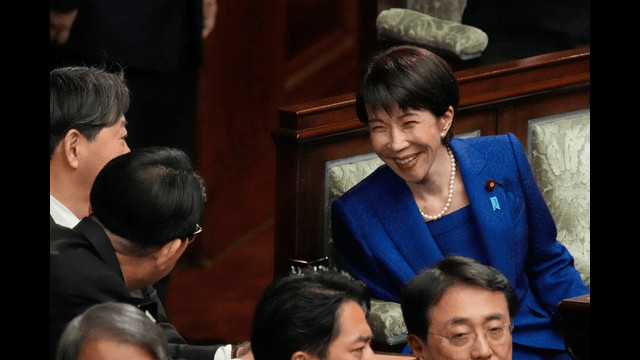
Japanese Prime Minister Sanae Takaichi, right, and other lawmakers speak before dissolving the lower house, during an extraordinary Diet session at the lower house of Parliament.
Japan’s political landscape shifted sharply on Friday after Prime Minister Sanae Takaichi dissolved the lower house of Parliament. The decision triggers a Japan snap election in Japan scheduled for February 8. It comes barely three months after she assumed office.
Takaichi, Japan’s first female prime minister, is moving fast. Her gamble aims to turn personal popularity into parliamentary strength. However, the move also pauses crucial budget discussions at a fragile economic moment.
Japan's snap election called amid strong approval ratings
Sanae Takaichi took office in October with history-making symbolism. Since then, her approval ratings have hovered near 70 percent. Such numbers are rare in Japanese politics.
The Japan snap election is designed to lock in that momentum. Takaichi believes early polls could help her party recover losses suffered in recent years.
Yet critics argue the timing is risky. The dissolution delays debate on a proposed budget. That budget focuses on economic stimulus and rising living costs.
Budget delay raises economic concerns
Japan’s economy continues to struggle with inflation pressures. Households face higher prices for food, fuel, and essentials. The postponed budget was meant to address these concerns.
Opposition leaders accuse Takaichi of putting politics above policy. They say the Japan snap election slows urgent economic relief.
Despite criticism, Takaichi remains firm. She insists voters should decide whether her leadership deserves a full mandate.
Dramatic scenes inside Parliament
The dissolution of the 465-member lower house followed tradition and drama. When Speaker Fukushiro Nukaga announced the move, lawmakers rose together.
They shouted “banzai” three times. The chamber quickly emptied. Campaign preparations began immediately.
The official election campaign will last 12 days. It begins next Tuesday, setting the stage for an intense political battle.
Takaichi seeks stronger control through Japan snap election
The lower house holds greater power in Japan’s two-chamber system. Winning a clear majority there would ease governance.
Currently, Takaichi’s Liberal Democratic Party and its coalition hold only a slim majority. They lost ground in the 2024 election.
In the upper house, the coalition lacks a majority entirely. Passing legislation requires opposition support.
The Japan snap election is meant to change that balance.
Clear ideological contrast with predecessor
Takaichi is a hardline conservative. She wants to draw sharp contrasts with her centrist predecessor, Shigeru Ishiba.
Her campaign focuses on strong fiscal action. She also emphasizes military expansion and tighter immigration controls.
According to Takaichi, these policies will make Japan “strong and prosperous.”
She told reporters she is staking her political future on the election outcome. The statement underlines the high stakes.
Public support mixed with party fatigue
Takaichi’s decisive style resonates with younger voters. Many see her as confident and direct.
However, the LDP still struggles with its image. Recent political funds scandals damaged public trust.
Some traditional supporters have shifted allegiances. Emerging far-right populist parties are gaining attention.
One such group is the anti-globalist Sanseito. Its rise complicates the Japan snap election calculus.
Foreign policy pressures shape the campaign
The Japan snap election unfolds amid growing international tensions. Relations with China have worsened noticeably.
Takaichi recently made pro-Taiwan remarks. She suggested Japan could respond if China acts militarily against Taiwan.
Beijing reacted angrily. China has since increased economic and diplomatic pressure on Tokyo.
Trump and defense spending add pressure
Defense policy is another election flashpoint. Takaichi supports expanding Japan’s military capabilities.
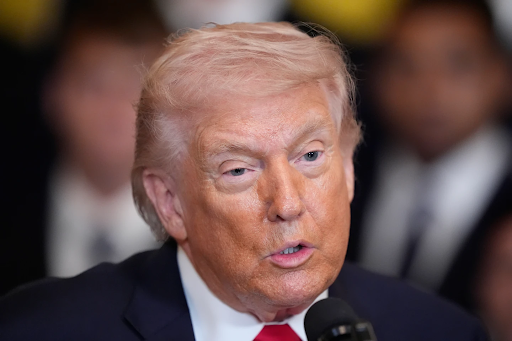
U.S. President Donald Trump has urged Japan to spend more on defense. Washington and Beijing both seek regional dominance.
Takaichi appears ready to meet those demands. Her stance appeals to nationalists but worries moderates.
A defining moment for Japan
The Japan snap election will shape the country’s political future. It will test whether popularity can overcome party fatigue.
It will also reveal how voters view economic delays and foreign policy risks.
For Sanae Takaichi, the vote is personal. It may determine whether her brief leadership becomes a lasting chapter.