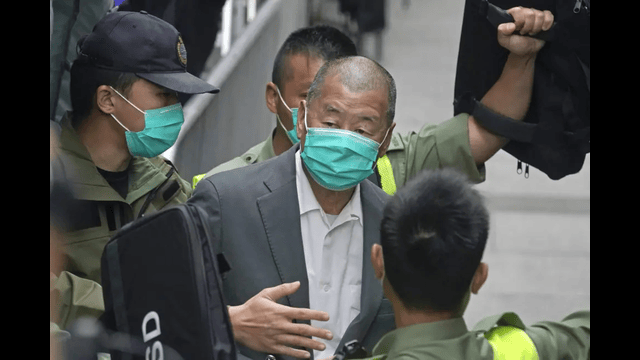
Democracy advocate Jimmy Lai, center, leaves the Hong Kong Court of Final Appeal in Hong Kong on Feb. 9, 2021. Lai was sentenced to five years and nine months in prison over two fraud charges linked to lease violations in Hong Kong on Saturday, Dec. 10, 2022, the latest of a series of cases against prominent activists that critics say are aimed at snuffing out dissidents in the city.
Former Hong Kong media tycoon Jimmy Lai was convicted Monday in a landmark national security trial that could keep him imprisoned for life. The verdict marks a pivotal moment for Hong Kong’s legal system and press freedom under Beijing’s sweeping security law.
Lai, a vocal pro-democracy figure and critic of China’s leadership, pleaded not guilty to all charges.
Court Delivers Guilty Verdict
Three government-approved judges found the 78-year-old guilty of colluding with foreign forces and conspiring to publish seditious material. The trial was conducted without a jury, as permitted under the national security framework.
The court ruled that Lai played a central role in the alleged conspiracies. Judges described him as the “mastermind” behind actions they said endangered national security.
Prosecution’s Case Against Lai
Reading from an extensive 855-page ruling, Judge Esther Toh said Lai repeatedly sought foreign intervention. The court stated he encouraged the United States to undermine China under the guise of supporting Hong Kong.
Prosecutors argued that Lai coordinated with senior executives of the now-defunct Apple Daily newspaper. They accused him of urging sanctions and hostile actions against Hong Kong and China.
Evidence included dozens of articles, social media posts, text messages, and international meetings. These featured encounters with former U.S. Vice President Mike Pence and former Secretary of State Mike Pompeo in 2019.
Defense Rejects Allegations
Lai’s legal team acknowledged earlier calls for sanctions before the law took effect in 2020. However, they argued he stopped afterward to comply with new legal boundaries.
Judges rejected that claim. They ruled Lai merely softened his language while keeping the same political objective. The court said his intent never changed.
Lai testified for 52 days, insisting he exercised freedom of expression and journalism. His defense emphasized that political commentary should not be criminalized.
Apple Daily and Media Crackdown
Lai founded Apple Daily, a popular pro-democracy tabloid critical of Beijing and Hong Kong authorities. The paper shut down in 2021 after police raids and mass arrests. Authorities also froze company's assets, forcing its closure.
The case has become a defining test of media freedom in Hong Kong since its 1997 return to Chinese rule.
Health Concerns During Trial
Lai has spent nearly five years in custody, much of it in solitary confinement. Observers noted his physical decline throughout the trial.
His lawyers cited heart palpitations and chronic illnesses. Family members described significant weight loss, infections, and ongoing pain.
Hong Kong authorities said medical checks found no abnormalities. Officials insisted prison healthcare met required standards.
International Reaction and Diplomatic Pressure
The conviction drew global attention from the United States, Britain, and the European Union. British Prime Minister Keir Starmer said securing Lai’s release remains a priority. Lai holds British citizenship.
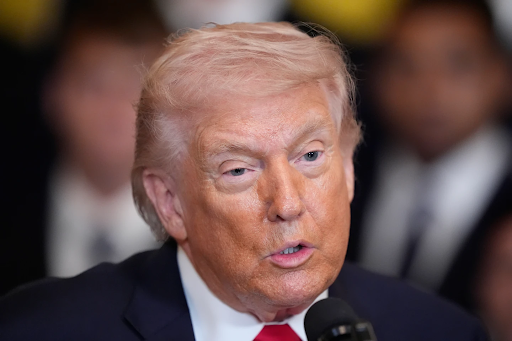
Former U.S. President Donald Trump said he raised the case directly with China.
Rights groups condemned the ruling. Reporters Without Borders said the verdict shattered press freedom. Amnesty International called the trial politically motivated.
Sentencing Could Mean Life Prison
Lai’s sentencing will occur later. Under the national security law, the collusion charge carries penalties from three years to life imprisonment.
Hearings beginning January 12 will address sentencing arguments for Lai and co-defendants.
Hong Kong leader John Lee defended the ruling, calling Lai’s actions harmful and malicious. Police officials welcomed the verdict as justice served.
A Defining Moment for Hong Kong
Dozens of residents queued outside court before dawn to witness the decision. Many viewed the verdict as the closing chapter of a long legal battle.
For critics, the case symbolizes Hong Kong’s shrinking civic space. For authorities, it reinforces national security enforcement.
Jimmy Lai’s conviction now stands as a defining moment in the city’s post-protest era.