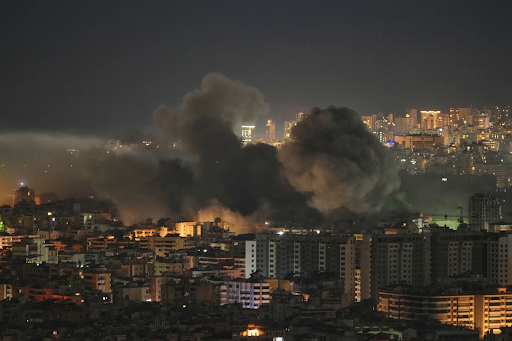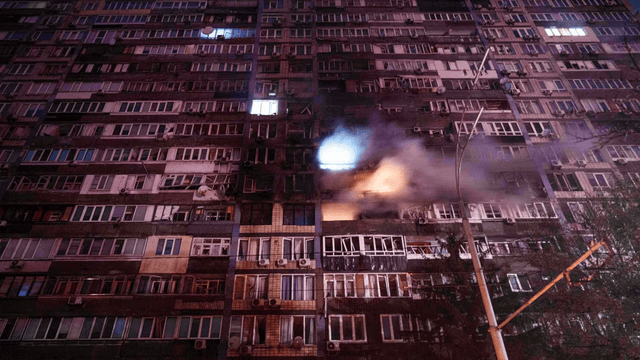
A residential building was left damaged after a Russian strike hit a neighbourhood in Kyiv, Ukraine, on Friday, Oct. 10, 2025. AP Photo
Kyiv woke to loud blasts Friday as almost every district came under what city officials called a “massive” Russian attack. Reporters in the city centre heard repeated explosions while air defence units worked to intercept incoming missiles and drones. The strike marked one of the heaviest assaults on the capital in recent weeks.
Russia launched its full invasion in 2022 and has since increased pressure on Ukraine’s energy grid, rail systems, and residential areas. Friday’s attack continued that pattern, with critical sites again hit across the city.
Mykola Kalashnyk, head of the Kyiv regional military administration, said missiles and drones targeted “critical infrastructure facilities” across the capital.
Widespread Damage and Injuries
Kyiv Mayor Vitali Klitschko said the city faced a “massive enemy attack” and confirmed air defence systems were fully engaged. He reported at least 11 injuries. Five people were hospitalized, including a pregnant woman and a man in “extremely serious condition.”
Sections of heating networks suffered damage, Klitschko said. Parts of the northeast Desnyansky district temporarily lost heat. He warned that electricity and water supplies could also see disruptions as crews assessed the damage.
Reporters saw tracer rounds used to target drones and several anti-missile batteries firing across the city. Tymur Tkachenko, head of the city’s military administration, said Russian forces struck residential buildings and caused damage “almost in every district.”
Emergency teams rushed to sites across eight of the city’s 10 districts. One fire broke out on the roof of a five-storey building in Solomyansky district, a key transport area near Kyiv’s international airport.
Global Pressure Mounts on Moscow
The attack came shortly after several Western governments increased pressure on Russia. On Wednesday, Canada announced new sanctions aimed at Russian drone production, energy sectors, and cyberattack infrastructure.
G7 foreign ministers also demanded an immediate ceasefire, stating their “unwavering” support for Ukraine’s sovereignty. The European Commission is studying a plan to use part of Russia’s frozen assets to provide Kyiv with a loan for budget and military needs over the next two years.
A War With No Clear End
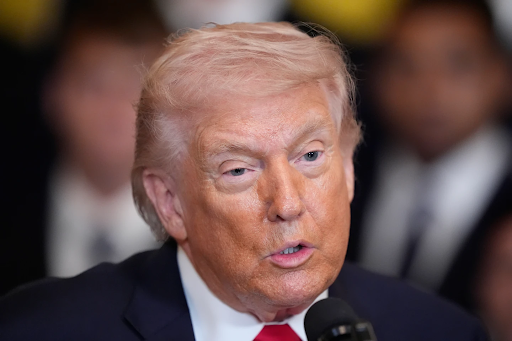
Despite international pressure, the war shows no sign of easing. Nearly four years into the conflict, both sides remain deeply dug in. Moscow has rejected ceasefire appeals, including recent attempts by U.S. President Donald Trump to restart stalled peace talks.
Russian troops continue to press forward in the east. They aim to take full control of the Donetsk and Lugansk regions. Earlier this week, Russia said it captured three more villages along the lengthy front line.
Experts warn that continued strikes on energy facilities could leave Ukraine facing heat shortages as winter approaches. Kyiv residents, already bracing for cold months ahead, now worry about more attacks targeting the power grid.
The latest assault adds to a series of strikes designed to weaken Ukrainian infrastructure and morale, even as the country’s allies promise continued support.