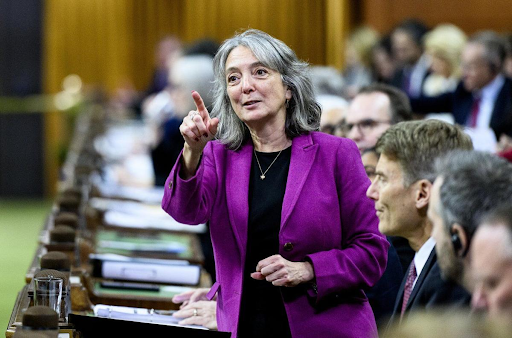
Environment and Climate Change Minister Julie Dabrusin stands in the House of Commons during Question Period on Parliament Hill in Ottawa on December 11, 2025. THE CANADIAN PRESS
A major land conservation agreement was announced in British Columbia. An environmental charity confirmed the deal this week. Federal and provincial governments supported the effort. Public and private partners also joined the agreement. The project will protect 45,000 hectares of forest land.
Leaders described the move as historic. The agreement ranks among Canada’s largest private conservation efforts. The protected land now joins a wider conservation network. That network stretches through the Rocky Mountains. It continues south into Montana.
Forest Lands Hold Ecological Importance
The protected area is known as the Kootenay Forest Lands. It sits in southeastern British Columbia. The land lies within the traditional territory of the Ktunaxa Nation. The Nation endorsed the agreement.
The forest includes rare and sensitive landscapes. High elevation grasslands cover much of the area. Experts consider this ecosystem at risk. Old-growth forests also remain within the boundaries. These forests support long-term environmental health.
Wildlife and Waterways Gain Protection
The land includes 930 kilometres of streams. These waterways support fish and wildlife. Several species rely on this habitat for survival. Grizzly bears roam the area freely. Whitebark pine trees grow across higher elevations.
Bull trout live within the streams. Bighorn sheep also depend on the grasslands. Conservationists say protection will support species recovery. The area now offers long-term habitat security.
Broad Support From Industry and Communities
Private sector partners joined the conservation deal. One partner operates coal mines nearby. The company agreed to support land protection. Conservation leaders said cooperation made the deal possible.
The Ktunaxa Nation supported the agreement from the start. Leaders welcomed protection of ancestral lands. They emphasized respect for nature and future generations. The partnership reflects shared responsibility.
Federal Government Highlights Climate Commitment
The federal environment minister welcomed the agreement. She linked conservation to climate action. She said the project shows Canada’s commitment to nature. She also highlighted its role in reducing emissions.
Healthy forests store carbon naturally. Protecting them helps fight climate change. Officials said conservation supports clean air and water. It also strengthens ecosystems against extreme weather.
Building a Connected Conservation Network
The protected lands strengthen a growing conservation corridor. This corridor connects protected areas across borders. Wildlife can move more freely through the region. Scientists say connected habitats improve survival.
The project also reduces pressure on nearby lands. It limits future industrial development. Conservation groups see it as a long-term investment. The land will remain protected for generations.
A Step Forward for Conservation in Canada
Environmental groups praised the agreement. They said it sets a strong example. Large-scale conservation requires cooperation. Governments, industry, and communities must work together.
This project shows that cooperation is possible. It balances environmental protection with economic realities. Leaders hope it inspires similar efforts nationwide.