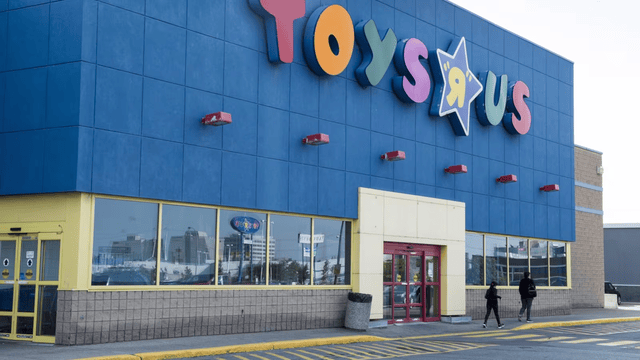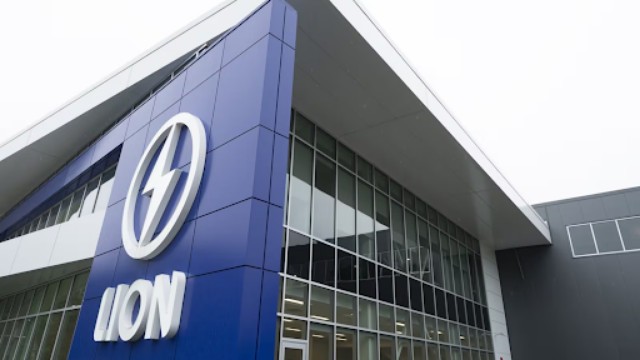
A shuttered Lion Electric plant is pictured in Mirabel, Quebec. (THE CANADIAN PRESS/Christinne Muschi)
Lion Electric, a Quebec-based manufacturer of electric school buses and trucks, has stopped honoring warranties on vehicles sold in the United States. This decision has left many American school districts scrambling for solutions, as hundreds of their electric buses may now be without official service support.
The company’s sudden shift follows its financial troubles late last year. In December, Lion Electric filed for creditor protection. Then in May, a group of Quebec investors purchased the company with a new vision: to focus solely on electric school buses built and sold within Quebec. Lion’s main manufacturing plant in Saint-Jérôme, Quebec, remains operational.
As part of its court-supervised restructuring, a letter was sent earlier this month to U.S. clients. It stated that all previous warranties and purchase agreements in the United States had been moved to a new entity, which is set to declare bankruptcy. As a result, none of those agreements are being carried over or honored by the newly restructured company.
When asked for clarification, Lion Electric did not respond to media inquiries. Earlier in the year, they confirmed they had nearly 2,000 electric buses and over 200 trucks across North America. Of those, around 1,000 buses are currently running in Quebec, and their warranties will still be honored. However, other Canadian buyers, such as Prince Edward Island, are also reporting their warranties have been voided.
In the U.S., school officials are feeling the blow. Richard Decman, superintendent of a school district in rural Illinois, said his team is now hunting for outside help to maintain their 25 Lion buses. “We’re deeply disappointed. These buses are crucial to transporting our 2,000 students,” he said.
Andrew Dolloff, a school superintendent in Maine, is weighing legal action, exploring new service options, or possibly removing the buses altogether. “We’re still trying to decide what to do,” he shared. He previously said his district bought two Lion buses using federal grants, but due to frequent breakdowns, the buses have barely been in service.
California’s Los Angeles Unified School District has already turned to other service providers with Lion experience to maintain their 28 buses. They’ve also committed to including long-term support plans in future contracts for electric buses.
Carolina Chacon from the U.S.-based Alliance for Electric School Buses voiced concern over Lion’s image, suggesting their damaged reputation will be hard to recover. “If they return to the U.S. market, trust will be hard to rebuild,” she said.
However, not all hope is lost. CALSTART, a U.S. clean-energy non-profit, recently emailed its members that Lion is working to return to the U.S. with improved service in key markets like California. The company is said to be setting up support plans and service hubs, while encouraging customers to still submit service tickets.
Lion was bought by investors including Montreal’s Vincent Chiara and Pierre Wilkie. Their goal, they say, is to keep the company in Quebec hands and prevent a foreign takeover. The deal followed a failed earlier bid when Quebec’s government declined to invest more public funds, risking a $140 million loss. The province has since renewed its subsidy for electric school buses, offering $240,000 per vehicle.