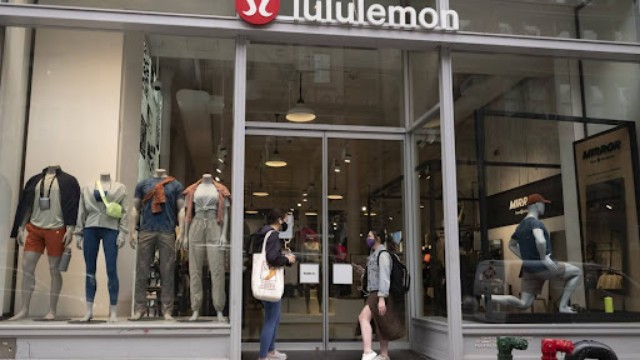
Lululemon clothing is showcased in the brand’s store window on March 25, 2021, in New York. (AP Photo/Mark Lennihan, File)
Fashion Fakes Fuel Tension in Retail World
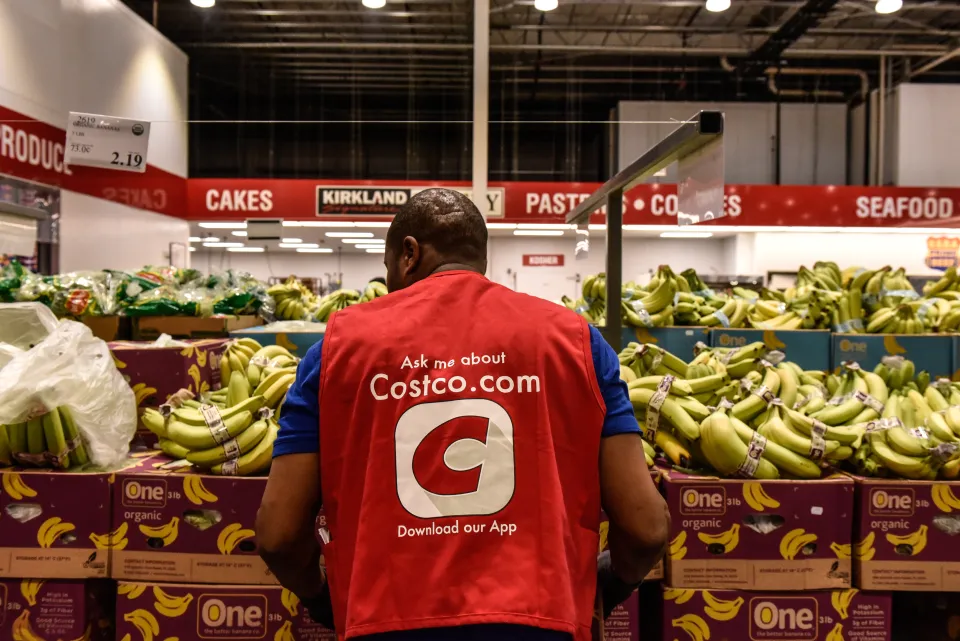
Cheaper lookalikes of luxury fashion items—known as “dupes”—are exploding in popularity, but not without consequences. Lululemon is now suing Costco, accusing the warehouse giant of selling imitation versions of its well-known athletic wear, including the Scuba hoodie, Define jacket, and ABC pants.
These legal sparks are part of a growing fire ignited by the rise of budget-friendly fashion alternatives. Social media, especially TikTok, has fueled the craze, with hashtags like #LululemonDupes helping shoppers hunt down stylish items without the high-end price tags.
The Dupes Craze: A Tale as Old as Retail
Dupes aren’t new. For years, shoppers have turned to cheaper alternatives—sometimes made by store brands or lesser-known companies—to mimic the look of designer labels. While these knockoffs don’t carry logos or exact trademarks, they often reflect the essence of the original, especially in design and feel.
But what’s different now? Social media influencers are driving the dupe obsession into mainstream culture. Consider Hermes' $1,000 fuzzy slippers: a similar version sells at Target for just $15. Or the Bottega Veneta handbag that retails for over $2,800? You can grab a $99 version from Quince, a fast-rising online brand.
In another viral moment, Walmart sold a $78 leather bag eerily similar to the iconic Hermes Birkin—usually priced in the thousands. The bag, nicknamed the “wirkin,” became an internet hit. Hermes, however, wasn’t amused. The company’s executive chairman called it “detestable,” though he also admitted the attention reflected the style’s global appeal.
The Legal Line: When Dupes Go Too Far
So where does the law stand? According to Alexandra Roberts, a Northeastern University professor specializing in media and trademark law, the word “dupe” itself is murky. Some are simply affordable alternatives. Others, especially those making false claims or misusing branding elements, may cross into illegal territory.
These legal cases usually hinge on two issues: trademark infringement and consumer confusion. Can the dupe cause people to think it’s from the original brand? Is the design too similar to be a coincidence?
Take the recent case of Benefit Cosmetics vs. E.l.f. Beauty. Benefit lost the lawsuit over a $6 mascara that resembled its $29 version. E.l.f.’s CEO said the product was simply a more affordable spin—no copying intended.
Inside Lululemon's Case Against Costco
In its latest complaint, Lululemon argues that Costco is riding on its brand’s reputation instead of competing fairly. The lawsuit showcases examples of nearly identical designs sold at Costco for as little as $19.97. While Lululemon didn’t mention other retailers by name, it accused several of copying its best-selling items.
One unique point in the lawsuit involves a design feature on the crotch area of Lululemon’s ABC pants. Lululemon claims this “triangle shape” is part of its trade dress. But Roberts, the legal expert, doubts this will hold up in court, calling it “functional” and not protectable under trademark law.
Brand Confusion and the Kirkland Factor
Lululemon also claims Costco may confuse shoppers by using the same manufacturers that produce name-brand items for its in-house Kirkland label. While many of the accused items don’t carry the Kirkland name, the implication could sway some consumers to think they’re buying Lululemon-quality gear at a discount.
Still, this argument could be a stretch. Without the Kirkland brand directly tied to the lookalike products, proving confusion might be difficult.
This isn’t Lululemon’s first battle over alleged knockoffs. Back in 2021, it sued Peloton over similar claims. That feud ended not in court, but in a five-year partnership between the companies.
As of now, Costco hasn’t responded publicly to the lawsuit.