The Lululemon logo is seen on the front of its store in Pittsburgh (AP Photo/Gene J. Puskar)
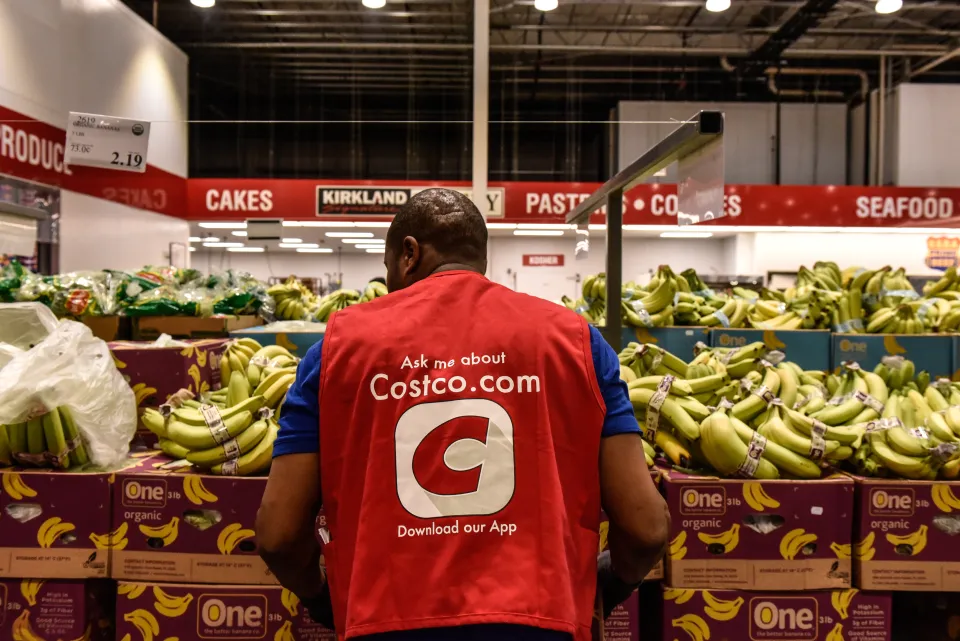
Lululemon, the popular Vancouver-based athletic wear company, is taking legal action against retail giant Costco. The brand claims Costco has been selling products that look strikingly similar to some of its best-selling apparel — including Scuba hoodies, Define jackets, and ABC pants — without permission.
According to a lawsuit filed in a California court, Costco is allegedly offering imitations of Lululemon items both under its in-house Kirkland label and through brands like Danskin, Jockey, and Spyder. Lululemon says these items closely resemble their own and are misleading customers.
The company argues that shoppers may mistakenly believe the products are authentic Lululemon merchandise or choose to buy them because they look nearly identical to the originals. This confusion, the brand says, undermines its reputation and takes unfair advantage of the trust it has earned with its customers over the years.
In the 49-page legal filing, Lululemon says it first attempted to resolve the issue quietly. The company reportedly sent several cease-and-desist letters to Costco, asking them to stop selling the look-alikes. However, since the issue remained unresolved, Lululemon is now asking the court to step in.
Lululemon is requesting a jury trial and hopes to obtain an official order stopping Costco from producing, importing, marketing, or selling any further alleged copies. The brand is also asking the court to require Costco to remove all advertisements for the items — both online and in print — and to compensate Lululemon for any financial losses caused by the sales.
As of now, Costco has not commented on the lawsuit and has not filed an official response in court.
This legal clash comes at a time when so-called "dupes" — affordable versions of expensive products — are gaining popularity, especially online. Influencers and budget-conscious shoppers have fueled the trend, sharing side-by-side comparisons of high-end goods and their cheaper alternatives.
Lululemon has been a frequent target for copycat designs because of its premium prices. With many customers unable or unwilling to spend top dollar on athletic wear, dupes have become a go-to option for many.
The timing of the lawsuit also coincides with a period of transition for Lululemon. The brand recently announced it might raise prices slightly to offset potential new tariffs. These hikes would only affect a small portion of its product range and are intended to help the company stay competitive.
Additionally, Lululemon has been working to refresh its lineup after experiencing some criticism from customers who felt the brand’s styles had become repetitive or stale.
Whether the court sides with Lululemon or not, the case highlights the growing tension between brand protection and the booming dupe economy.