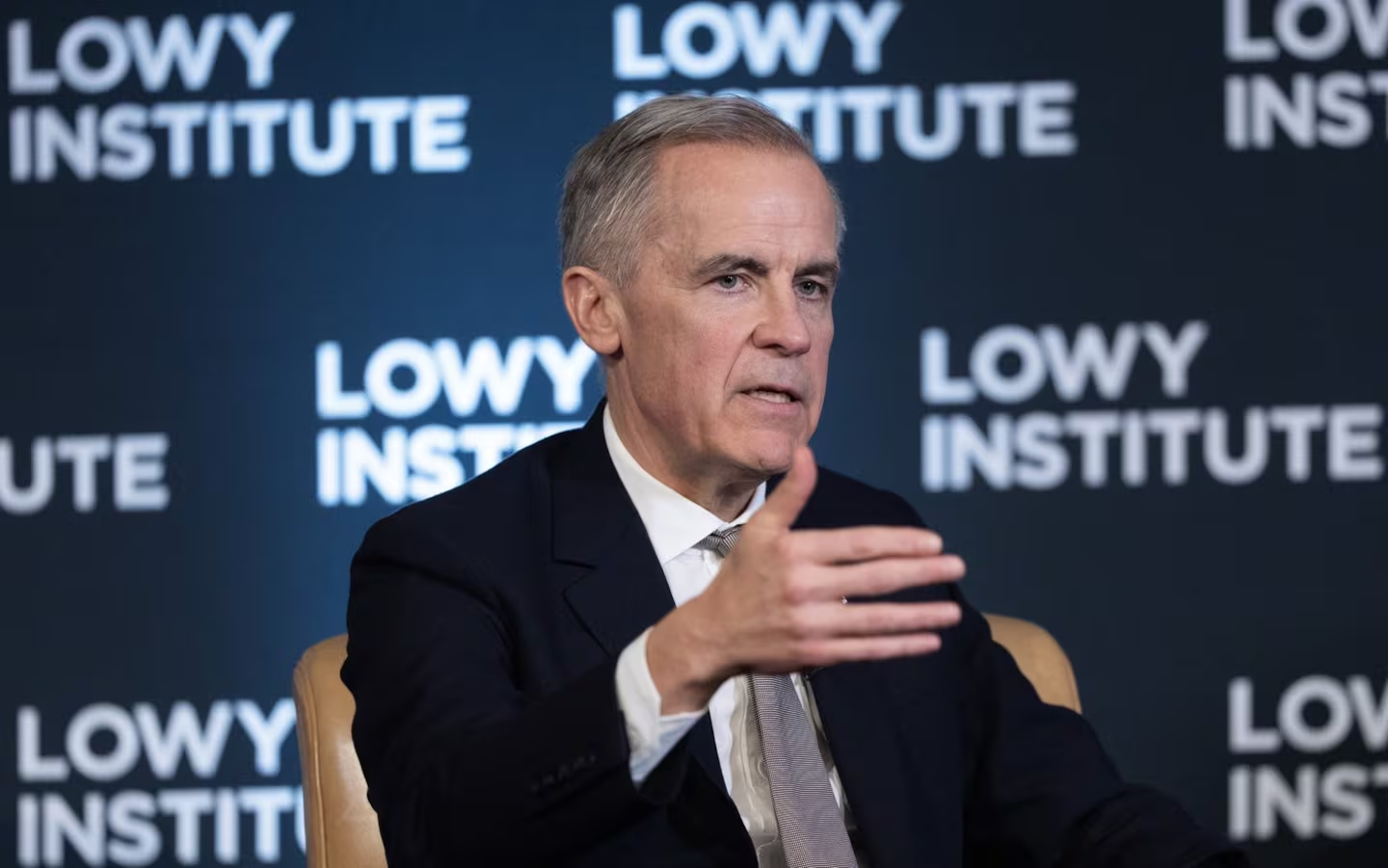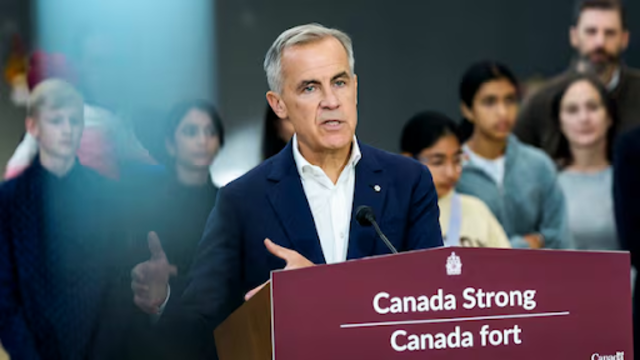
Prime Minister Mark Carney has introduced a new automatic tax filing system to help low-income Canadians access benefits more easily. CBC
Prime Minister Mark Carney announced two major programs to help Canadians with everyday costs. The government will introduce automatic tax filing for low-income earners and make the national school food program permanent. Both measures aim to support vulnerable Canadians and ensure that no one gets left behind.
Carney made the announcement on Friday in his home riding of Nepean, Ontario. He said the upcoming federal budget would focus on protecting those who need the most help while making “responsible and pragmatic choices.”
“We will take pragmatic decisions so we can protect programs and initiatives that support the most vulnerable in our society,” Carney said. “We will build programs that help you get ahead.”
The prime minister also confirmed that the popular Canada Strong Pass will return for the 2025 holidays and summer 2026, offering discounts on travel and national attractions.
Automatic Tax Filing Coming Soon
The automatic tax filing program has been in discussion for several years. The government first proposed it in 2020 and confirmed its commitment again in the 2023 budget. Many low-income Canadians, especially those receiving government assistance, do not file taxes because they believe they owe nothing. As a result, they miss out on important federal benefits.
Carney said that when people earning below the basic personal amount skip filing, “those who most need benefits often don’t get them.”
These benefits include the GST/HST credit, the Canada Child Benefit, the Canada Workers Benefit, and the Disability Tax Credit.
The new automatic system will start in 2027 with about one million people and will grow to reach 5.5 million low-income Canadians by 2029.
Carney gave an example of a single parent with two children earning $15,000 a year. With automatic filing, that parent could receive up to $25,000 in combined federal and provincial benefits.
Opposition leader Andrew Scheer criticized the timeline, saying Canadians expected faster action and more direct relief from inflation and rising costs.
School Food Program Becomes Permanent
The national school food program will now receive permanent government funding. The initiative, first introduced in 2024 with a $1 billion investment over five years, currently provides meals to 400,000 children every year. Carney said this saves families with two children about $800 annually.
“This is Canada. No child should go to school hungry,” Carney said. “All our children should be focused on learning.”
The permanent program will receive $216.6 million in annual funding starting in 2029–30. The government will continue to work with provinces, territories, and Indigenous partners to expand the program so more students can benefit.
Canada Strong Pass Extended
Carney also announced the return of the Canada Strong Pass. It gives Canadians free or discounted access to parks, museums, and national heritage sites. Children under 17 can enter for free, while adults aged 18 to 24 get half-price admission. Young travellers also enjoy discounts on VIA Rail tickets.
The pass has boosted tourism across Canada, with VIA Rail ridership up 13 per cent and visits to parks and museums rising by about 15 per cent this past summer.