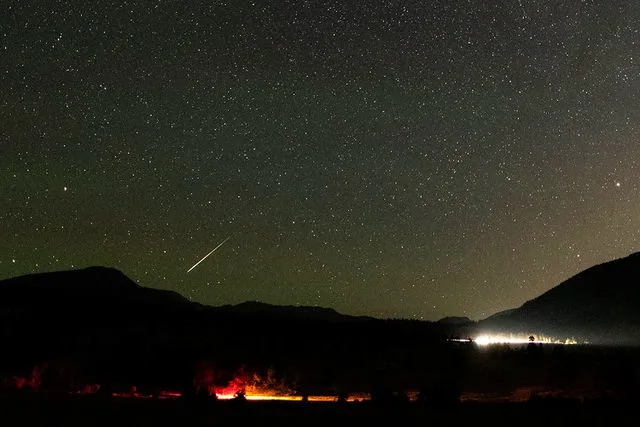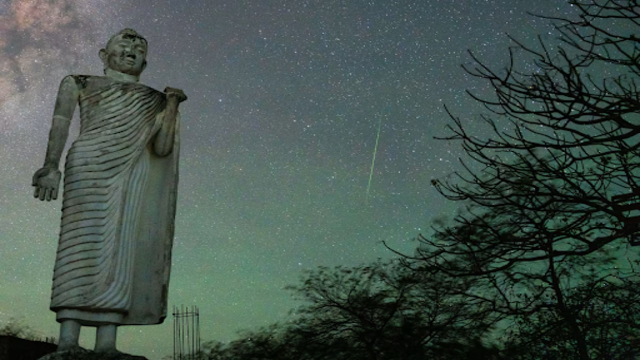
The Southern Delta Aquariids and Alpha Capricornids will be most visible this week, offering a great chance to catch a glimpse of shooting stars. CNN
Sky-watchers can expect a stunning show in the sky this week. Two meteor showers — the Alpha Capricornids and the Southern Delta Aquariids — are reaching their peak. Another well-known shower, the Perseids, is also starting to show activity.
Experts say these showers will bring bright fireballs, especially the Alpha Capricornids. These meteors often look like shooting stars and will be easiest to see around 1 a.m. ET on Wednesday. The streaks of light will seem to come from the Capricorn constellation.
Although these showers appear worldwide, the Southern Hemisphere — places like Africa and Australia — offers the best view. In the Northern Hemisphere, you should look low on the southern horizon.
When and Where to Watch
The Southern Delta Aquariids will peak later, around 3 a.m. ET Wednesday. This shower is stronger than the Alpha Capricornids. People in the Southern Hemisphere might see 20 to 25 meteors an hour. Northern viewers can expect around 10 to 15.
These meteors come from the Aquarius constellation, about 40 degrees east of Capricorn. Experts say the two showers might look like they are “battling” across the sky.
Peak Viewing Time May Vary
The best time to see the meteors is between Tuesday night and Thursday morning. Experts disagree on the exact peak, but it’s not a big issue. You can still see plenty of activity a day before or after.
For the best view, avoid bright lights, tall trees, or buildings. Try to watch from a dark, open area or a high place like a hill.
A Bonus: Perseids and Random Meteors
You might also catch early Perseid meteors this week. Though not at full strength yet, they’re starting to appear. On top of that, you could see 10 to 12 random meteors that don’t belong to any specific shower.
Why This Week Is Special
Three meteor showers — Alpha Capricornids, Southern Delta Aquariids, and Perseids — are all active. These showers happen when Earth moves through debris left by old comets. The Capricornids come from comet 169P/NEAT. The Aquariids are from comet P2008/Y12.
Experts say the Alpha Capricornids will get much stronger in the future. In about 200 years, it could produce over 1,000 meteors per hour.
Get Involved in Meteor Tracking
If you enjoy watching the night sky, you can help researchers. Count the meteors you see and report them to organizations that track meteor activity. This helps scientists learn more about these amazing sky events.
Other Meteor Events in 2025
Here are more meteor showers to watch this year:
- Perseids: August 12–13
- Draconids: October 8–9
- Orionids: October 22–23
- Taurids (South and North): November 3–9
- Leonids: November 16–17
- Geminids: December 12–13
- Ursids: December 21–22
Full Moons and Eclipses Still to Come
You can also enjoy five more full moons this year:
- August 9: Sturgeon Moon
- September 7: Corn Moon
- October 6: Harvest Moon
- November 5: Beaver Moon
- December 4: Cold Moon
Two eclipse events are also coming in September:
- Total Lunar Eclipse: September 7–8 (seen in parts of Europe, Asia, and more)
- Partial Solar Eclipse: September 21 (visible in parts of Australia, the Pacific, and Antarctica)