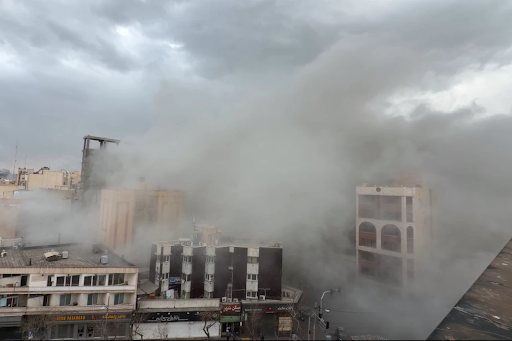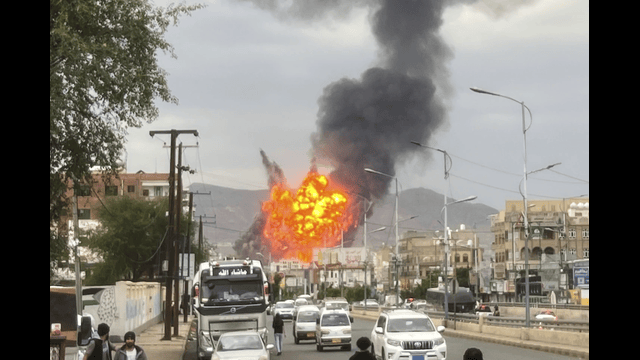
Flames and smoke rise following Israeli airstrikes in Sanaa, Yemen, Wednesday, Sept. 10, 2025.
Israel carried out heavy airstrikes in Yemen on Wednesday, leaving at least 35 people dead and over 130 injured, according to the Houthi-run health ministry. The attacks come just days after Houthi rebels launched a drone strike that hit an Israeli airport.
Rescue teams continued searching through rubble in the capital, Sanaa, where most of the casualties occurred. The strikes targeted a military headquarters and a fuel station, among other sites, sparking widespread devastation.
Strikes Hit Yemen’s Capital
Witnesses reported violent explosions across Sanaa as flames and thick smoke rose into the skies. Al-Masirah, a Houthi-controlled news outlet, said a major military headquarters was destroyed. Nearby residential buildings also suffered damage, leaving families trapped under debris.
The Houthi Petroleum Company confirmed a fuel station serving hospitals was struck. This raised fears of worsening shortages in an already fragile healthcare system.
Escalation After Houthi Drone Attack
The airstrikes were launched in response to Sunday’s Houthi drone attack on southern Israel. The drone breached Israel’s multilayered air defense system before crashing into an airport.
Iran-backed Houthi rebels have repeatedly claimed their operations are in support of Hamas and Palestinians in Gaza. Israel, in turn, has intensified strikes against Houthi leadership and infrastructure in Yemen.
Wednesday’s strikes followed an earlier attack that killed the Houthi prime minister and senior officials, marking one of the deadliest escalations in nearly two years of conflict between Israel and the Houthis.
Houthi Response and Warnings
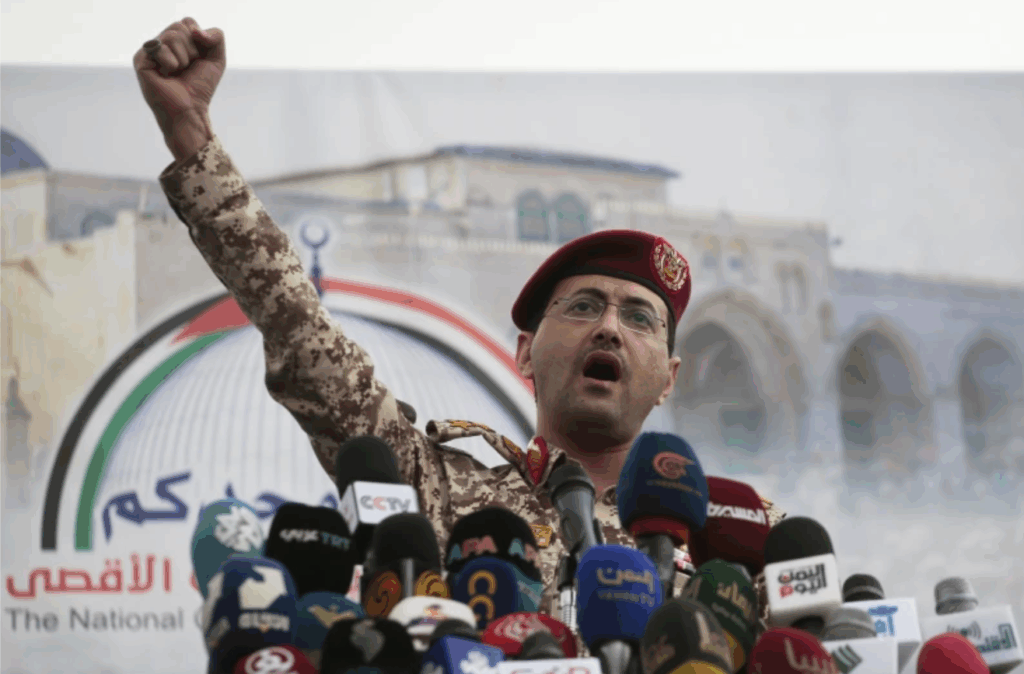
Houthi spokesman Brig. Gen. Yahya Saree said the group fired surface-to-air missiles at Israeli jets during the raids. President Mahdi al-Mashat vowed to continue attacks, warning Israel to “stay alarmed since the response is coming without fail.”
The Houthis also reported that Israeli strikes hit a government facility in Hazm, the capital of northern Jawf province.
Gaza Under Heavy Bombardment
While Yemen reels from airstrikes, Gaza faces relentless Israeli bombardment. Israel urged over one million people to evacuate Gaza City as it ramps up operations against what it calls Hamas’ last stronghold.
Displaced Palestinians now crowd into tent camps in the south, areas Israel designated as “safe zones.” Yet many describe constant bombings, poor shelter, and dire shortages.
“There is no safe zone in the Gaza Strip. Danger is everywhere,” said resident Fawzi Muftah.
Humanitarian Crisis Deepens
The Gaza Health Ministry reported another 41 deaths in the past 24 hours, including 12 people killed while seeking aid. Over 184 others were wounded.
Malnutrition is worsening. Since August, at least 126 Palestinians, including 26 children, have died of hunger-related causes. Overall, 404 deaths linked to malnutrition have been recorded since the war began.
European Commission President Ursula von der Leyen condemned the crisis, calling famine a “man-made weapon of war.” She announced plans for sanctions and partial trade suspension against Israel, intensifying Israel’s diplomatic isolation.
Israel denies claims of starvation, saying it allows sufficient aid. Foreign Minister Gideon Saar accused von der Leyen of undermining Israel-Europe ties.
Outrage Over Strike in Qatar
Adding to regional tensions, Israel recently struck Hamas leaders in Qatar, a close U.S. ally. The attack killed several members of the group but reportedly missed senior leadership, who were discussing a U.S.-backed ceasefire proposal.
The strike drew global condemnation and threatened ongoing mediation efforts to end the conflict and secure the release of hostages held in Gaza.
Heavy Toll of the War
The Gaza war began on October 7, 2023, when Hamas-led militants stormed southern Israel, killing 1,200 people and abducting 251. Israel’s retaliatory offensive has since killed more than 64,600 Palestinians, according to Gaza’s Health Ministry. Women and children account for about half the casualties.
Israel maintains it targets militants but blames Hamas for civilian deaths, saying fighters operate in dense neighborhoods. Large parts of Gaza now lie in ruins, while famine and displacement worsen the suffering.
Regional Instability Grows
Israel’s strikes in Yemen, its offensive in Gaza, and the controversial Qatar strike signal a widening conflict with regional consequences. With the Houthis promising retaliation, the humanitarian crisis escalating, and diplomatic ties straining, the Middle East faces one of its most volatile moments in years.