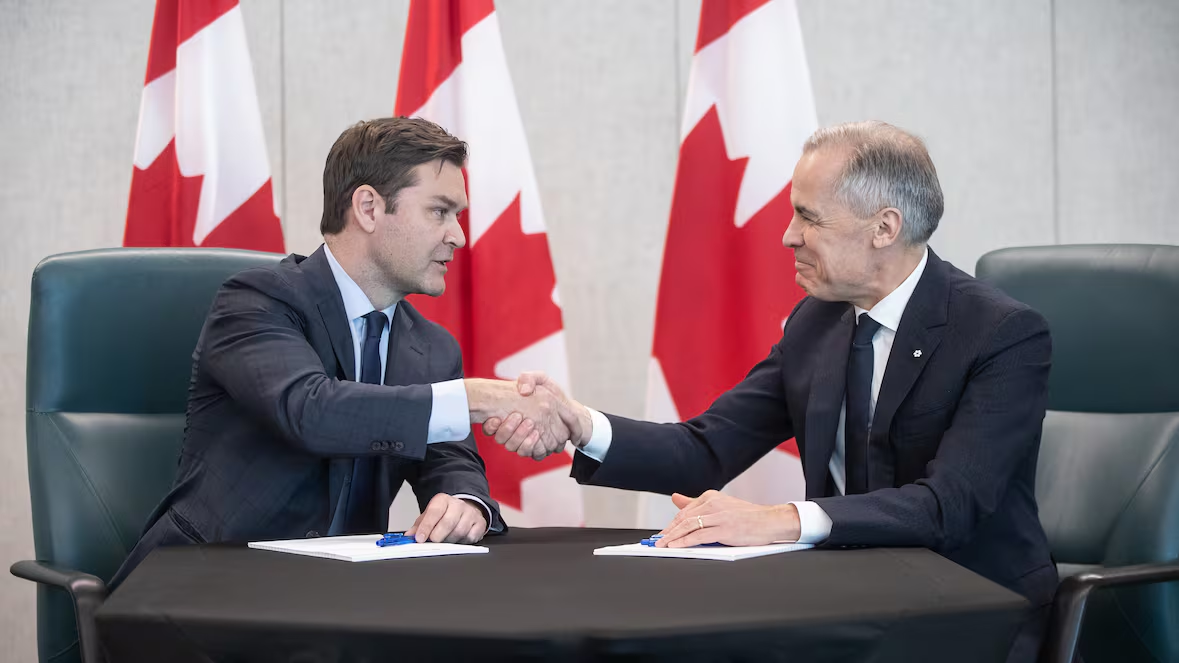
Prime Minister Mark Carney met with MP Matt Jeneroux in Edmonton on Wednesday, Feb. 18, 2026, following Jeneroux’s decision to leave the Conservatives and join the Liberal Party. The Canadian Press
Alberta Member of Parliament Matt Jeneroux has left the Conservative Party to join the Liberals, becoming the third Conservative MP to cross the floor in recent months. His decision brings Prime Minister Mark Carney’s government closer to a potential majority in the House of Commons.
Jeneroux, who represents Edmonton Riverbend, announced Wednesday that he will now sit with the Liberal caucus. Last year, he had suggested he would leave politics entirely after his name surfaced in rumours about a possible defection.
Citing a “National Unity Crisis”
Standing alongside Prime Minister Carney in Edmonton, Jeneroux explained his decision. He said he reflected deeply over the holidays with his family and considered the challenges facing the country.
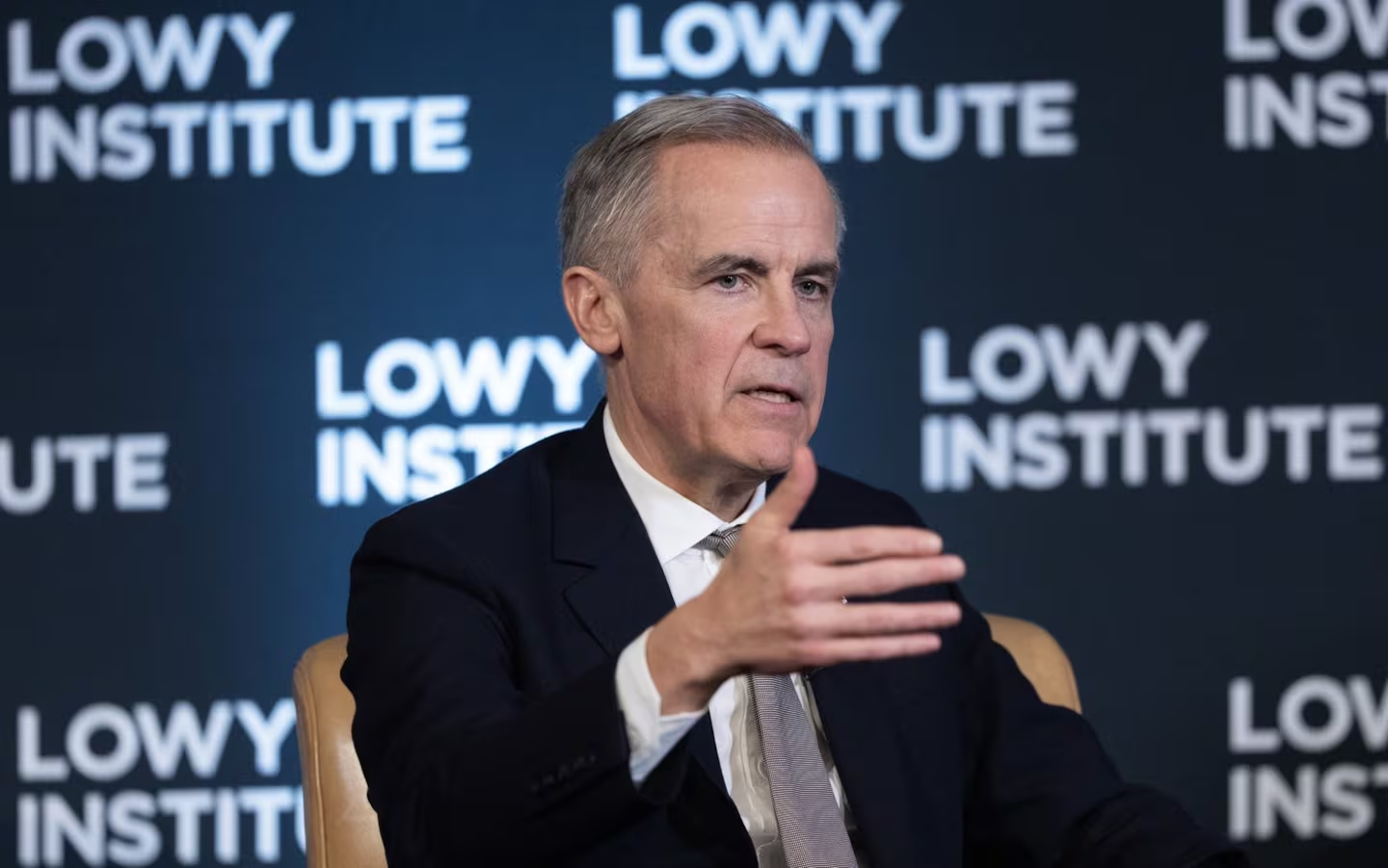
"I think it opened a lot of eyes for Canadians, Albertans, Edmontonians, just how serious this national unity crisis truly is," he said, referring to Carney’s speech at the World Economic Forum in Davos earlier this year.
"For me it felt disingenuous and quite simply wrong to be sitting on the sidelines anymore. So I reached out to the prime minister's office and will be joining his caucus."
Carney confirmed that Jeneroux will serve as a special adviser on economic and security partnerships. The Prime Minister’s Office said the role is unpaid.
"Building a stronger, more resilient and more independent country will require ambition, collaboration, and occasionally, sacrifice," Carney wrote.
Conservative Reaction
Conservative Leader Pierre Poilievre sharply criticized Jeneroux’s move.
He said Jeneroux has "betrayed the people of Edmonton Riverbend who voted for affordable food and homes, safe streets, and a strong resource sector."
Poilievre also accused the prime minister of seeking power through political deals rather than elections.
Other Conservative MPs voiced frustration. British Columbia MP Frank Caputo said he "was lied to." Ontario MP Andrew Lawton argued that recent floor-crossings reflect a search for power rather than principle.
Political Impact
Jeneroux’s switch increases the Liberal count in the House of Commons to 169 seats, compared with 171 opposition members. Three seats remain vacant and await byelections.
Two Toronto ridings previously held by former Liberal MPs are widely considered safe for the party. A third seat in the Montreal-area riding of Terrebonne is also in play after the Supreme Court of Canada annulled the earlier election result.
If the Liberals win all three upcoming byelections, they would secure a majority government.
In December, when asked about gaining a majority through MPs changing parties, Carney said he is "comfortable commanding the confidence of the House of Commons."
"We're in a Parliament, and when we pass legislation, we need more people voting for it than against it," the prime minister said. "Last time I checked, that's the way Parliament works."
A History of Floor-Crossing
Floor-crossing has taken place throughout Canada’s political history. The rules allow MPs to change party affiliation without triggering a byelection. While some Canadians question the practice, no law prevents it.
The federal ethics commissioner recently ruled that another MP who switched parties did not break conflict-of-interest rules.
Jeneroux previously stated he would step down and focus on his family. He also pledged to donate his salary to local charities. However, he now returns to active political life under a new banner.
His decision adds fresh tension to an already tight Parliament and sets the stage for high-stakes byelections in the months ahead.