York University professor Paul Delaney explains how NASA’s $6-billion budget cut could open the door for China to take the lead in space exploration.
Canada's future in space could take a hard hit if the proposed funding cuts to NASA become a reality. An expert warns that deep financial slashes in the American space agency’s budget may not only hold back U.S. space ambitions but also disrupt Canada’s contributions and collaborations in the field.
Paul Delaney, an astronomy expert and former director of the Allan I. Carswell Astronomical Observatory, shared his concern in an interview with CTV Your Morning. He believes the proposed US$6 billion budget reduction by President Donald Trump's administration would be the most damaging blow NASA has faced in its history.
According to Delaney, this massive cut would affect every corner of NASA—from research missions to international partnerships. And for Canada, a close ally in space exploration, this would mean serious consequences.
China, on the other hand, is not slowing down. The country is rapidly advancing its space efforts and aims to send astronauts to the moon by early 2030. If NASA stalls, Delaney fears the U.S. will lose its leadership in space—and Canada will be caught in the fallout.
“There is little doubt that (NASA) will take second place,” Delaney said bluntly.
But it’s not just about losing prestige. Delaney points out that Canada's researchers and engineers rely heavily on NASA partnerships for projects, data, and funding. If NASA pulls back, Canadian talent may have to look elsewhere to continue contributing.
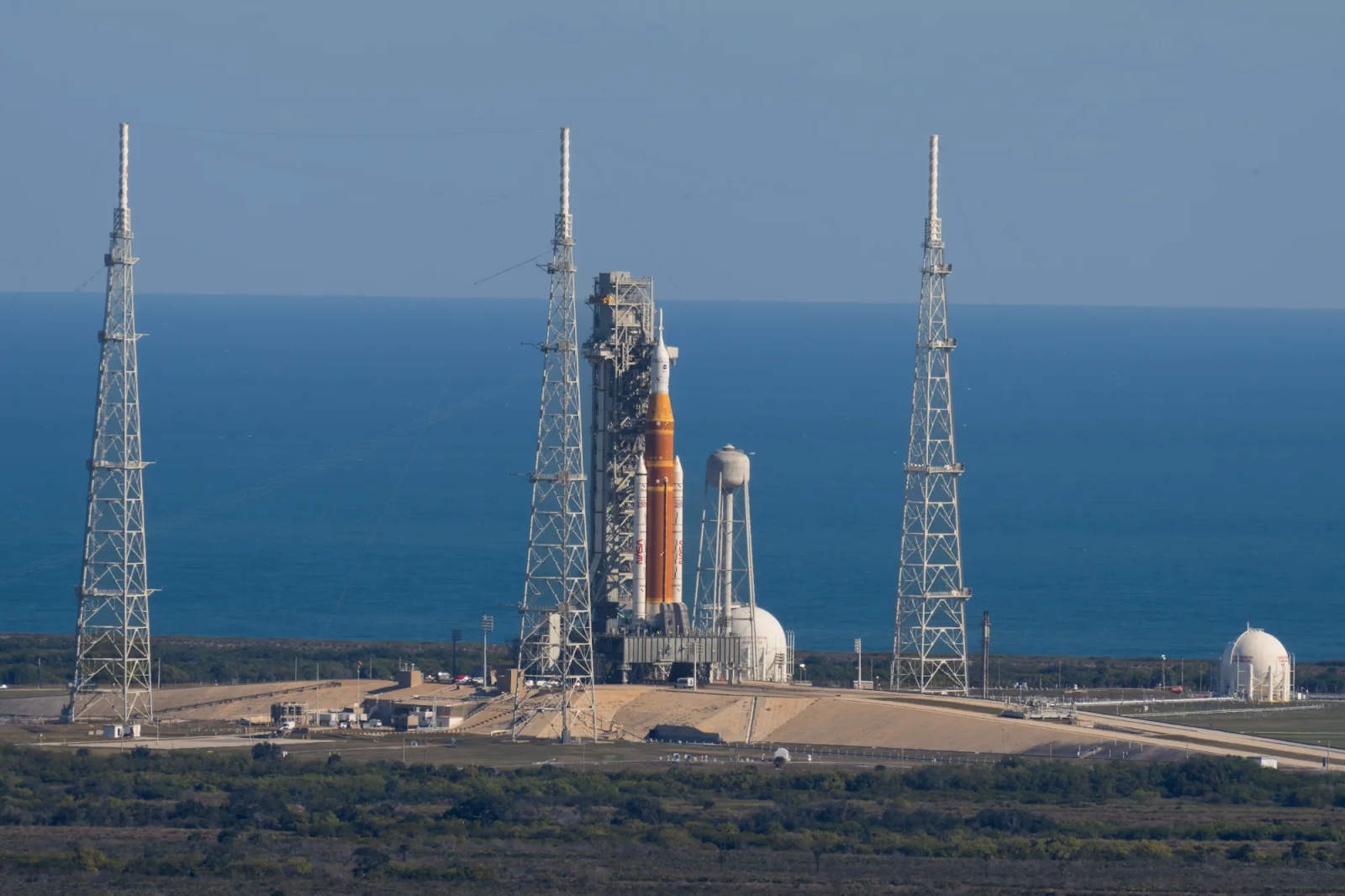
One major project on shaky ground is Canadarm3, Canada’s high-tech robotic arm slated to be part of NASA’s Gateway station, which will orbit the moon. If funding for Gateway is slashed, Canadarm3 may be left on the drawing board.
“The impact on Canada, in terms of both hardware generation as well as research, could be extremely significant,” Delaney said.
He adds that this is about more than just space missions. Every day technology—from the smartphone in your pocket to innovations in medicine—has benefited from space research. Without strong investment, the ripple effects could hurt innovation on Earth, too.
Meanwhile, more troubling news surfaced from CNN: over 2,000 NASA employees are expected to step down under a “deferred resignation” program. The move is reportedly linked to Elon Musk, CEO of NASA’s biggest contractor, SpaceX, and a former ally of Trump.
Delaney believes this shift could push the space sector further into private hands, making the industry more commercial and less collaborative on a global scale.
In short, if NASA’s funding dries up, Canada won't just be losing a partner—it might be losing its place at the table altogether.