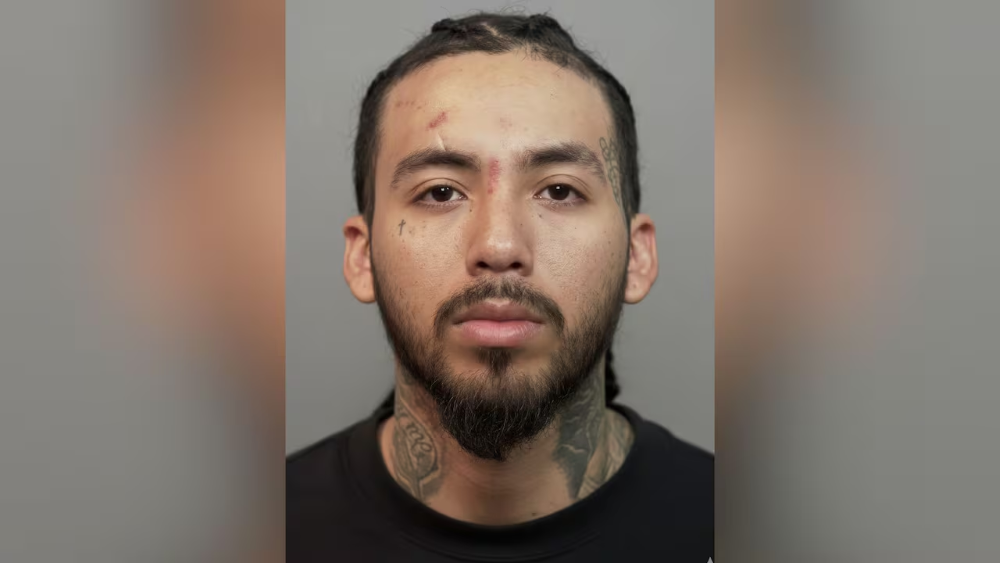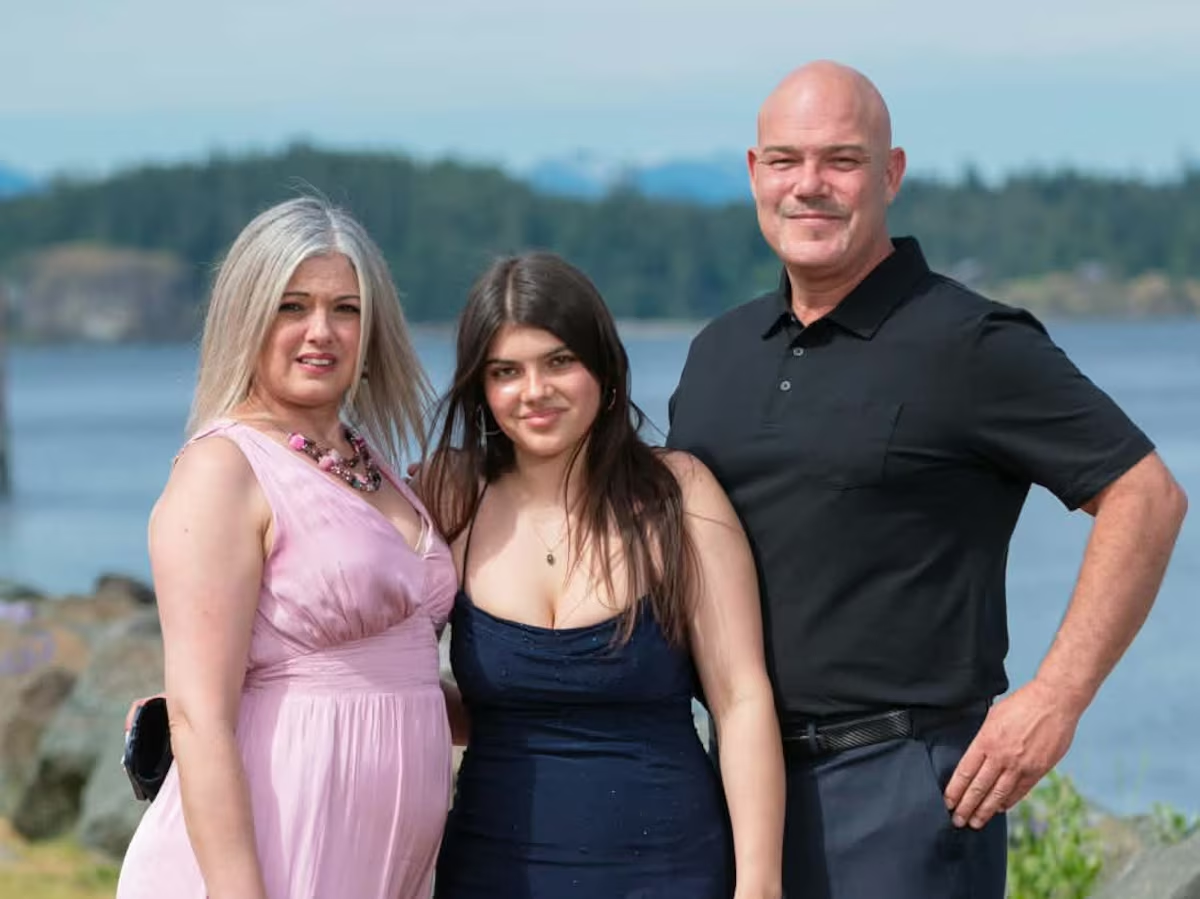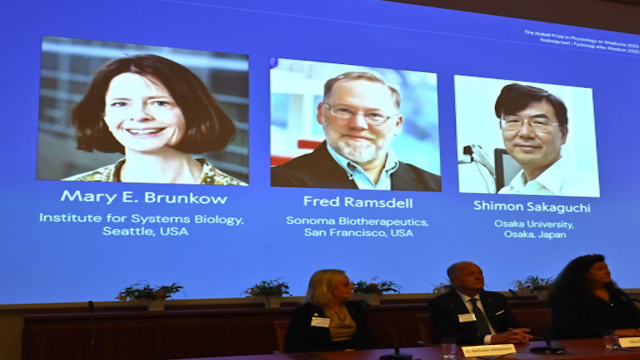
Fred Ramsdell, seen here in the centre, is currently hiking off the grid, making it impossible for the Nobel committee to contact him. (Photo: AP)
The Nobel committee faced an unusual challenge this week — one of its newest medicine laureates was nowhere to be found. Fred Ramsdell, one of three scientists honoured for groundbreaking discoveries about the human immune system, was reportedly “living his best life” on an off-the-grid hiking trip when the award was announced.
Ramsdell shared the prestigious 2025 Nobel Prize in Medicine with Mary Brunkow from Seattle, Washington, and Shimon Sakaguchi from Osaka University in Japan. The trio earned the award for identifying a group of immune cells known as regulatory T-cells, which play a crucial role in preventing the body’s immune system from attacking itself.
However, Ramsdell’s digital detox meant he missed the biggest call of his life.
A Missing Laureate in the Wilderness
“I’ve been trying to reach him myself,” said Jeffrey Bluestone, Ramsdell’s colleague and co-founder of their research lab. “I think he may be backpacking somewhere in the backcountry of Idaho.”
The Nobel committee confirmed they had been unable to contact Ramsdell to deliver the good news. Thomas Perlmann, secretary-general of the committee, said, “I asked them to, if they have a chance, call me back,” referring to their efforts to reach the missing scientist.
Even Ramsdell’s co-winner, Mary Brunkow, was difficult to contact at first because of the nine-hour time difference between Stockholm and the U.S. West Coast. She eventually received the call after several attempts.
Honouring Decades of Groundbreaking Research
The three scientists’ discoveries have transformed the understanding of how the immune system maintains balance. Their research into “peripheral immune tolerance” revealed how the body prevents its defences from mistakenly targeting healthy cells.
Shimon Sakaguchi, now 74, first identified these special immune cells in 1995, calling them the body’s “security guards.” His discovery showed how these cells, later named regulatory T-cells, play a vital role in controlling immune responses and preventing autoimmune diseases.
A few years later, in 2001, Ramsdell and Brunkow expanded on Sakaguchi’s findings by uncovering how these cells function at the molecular level. Their combined work paved the way for treatments now being tested in clinical trials to manage conditions such as diabetes, multiple sclerosis, and organ rejection.
A Nobel Tradition of Missed Calls
This isn’t the first time the Nobel committee has struggled to reach its winners. In 2020, the economics laureates Bob Wilson and Paul Milgrom were also hard to find. When the committee couldn’t reach Milgrom by phone, Wilson walked to his colleague’s house in the middle of the night to wake him up — a moment captured by Milgrom’s doorbell camera.
Ramsdell, meanwhile, remains blissfully unaware of his new title as a Nobel laureate. His friends and colleagues say he will likely return from his hike soon — and to quite the surprise.