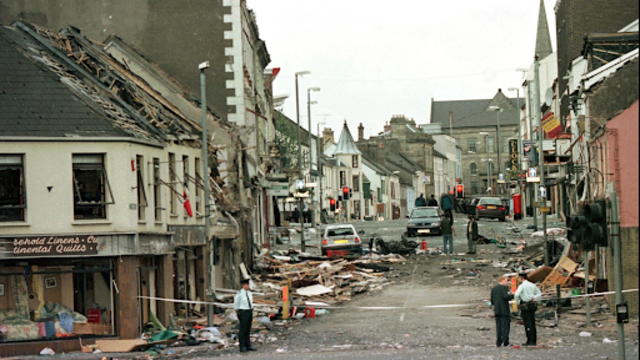
Royal Constabulary Police officers stand on Market street, the scene of car bombing in the centre of Omagh, on Aug 15, 1998. Associated Press.
As the guns fall silent in Gaza after years of relentless conflict, the world watches anxiously for what comes next. For Britain, echoes of its own peace journey in Northern Ireland offer lessons that could shape the fragile ceasefire process between Israel and Hamas.
Learning from a Painful Past
The United Kingdom’s experience during “The Troubles” — a 30-year conflict that killed more than 3,600 people — continues to inform its peacebuilding strategy. The 1998 Good Friday Agreement ended decades of sectarian violence and brought former enemies into a shared government.
Now, Prime Minister Keir Starmer believes the same principles can help guide peace efforts in Gaza. “Drawing on our experience in Northern Ireland, we stand ready to play a key role in decommissioning Hamas’ weapons and capability,” he said earlier this week.
Two architects of Northern Ireland’s peace — Tony Blair and Jonathan Powell — are again in focus. Both have been in talks with the U.S. and other nations about Gaza’s post-war future.
Parallels Between Northern Ireland and Gaza
Experts say there are striking similarities between Northern Ireland’s peace process and the ongoing challenges in Gaza. In both cases, militant groups were asked to disarm while deep political grievances remained unresolved.
The Trump-backed Gaza plan, however, lacks the comprehensive vision that shaped the Northern Ireland peace deal. It does not address the broader Israeli-Palestinian conflict or outline a clear path toward Palestinian statehood — a step many global leaders view as essential to lasting peace.
In Northern Ireland, the IRA’s refusal to surrender weapons was a major obstacle. Similarly, Hamas has rejected calls for full disarmament, though it has hinted at transferring some weapons to an Arab or Palestinian body.
The Challenge Ahead
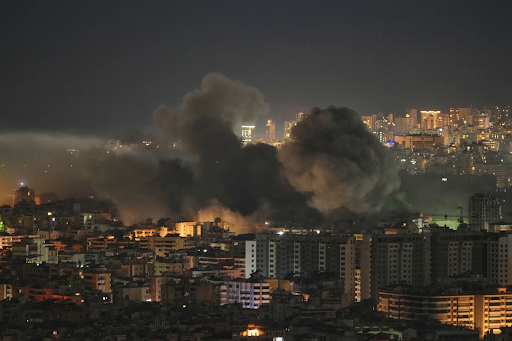
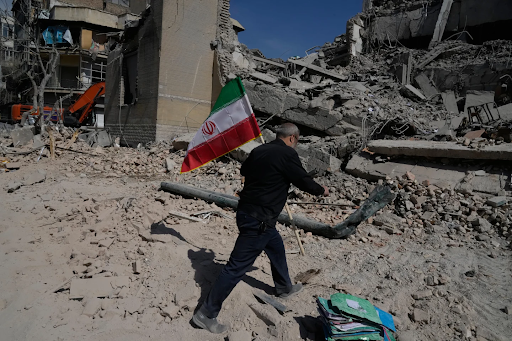
The scale of suffering in Gaza far exceeds that of Northern Ireland. Since Hamas’ attack on Israel on October 7, 2023, which left 1,200 dead and 251 hostages taken, Israel’s military response has devastated the enclave. Nearly 68,000 Palestinians have been killed, and much of Gaza lies in ruins, according to local health officials.
“The level of destruction in Gaza is monumental,” said Kristian Brown, a politics lecturer at Ulster University. “Even at its worst, Northern Ireland never faced such catastrophic conditions.”
Patience and Pragmatism in Peacemaking
In Northern Ireland, peace took years to cement. The IRA decommissioned its weapons gradually between 2001 and 2005, only after political trust was established. This slow, deliberate process, experts say, may hold valuable lessons for Gaza.
“The British can counsel patience and pragmatism,” said Niall Ó Dochartaigh from the University of Galway. “Disarmament only succeeded when the IRA believed a political settlement was secure.”
But such a consensus in the Middle East remains distant. The proposed 20-point Gaza plan lacks clarity on critical issues such as the status of Jerusalem, refugee rights, and Israeli settlements in the West Bank.
Inclusion Over Exclusion
A key takeaway from Northern Ireland’s success was inclusivity — engaging even those involved in violence. The peace talks brought together opposing factions, building a fragile but lasting trust.
“Hamas is being excluded from the current political process,” said Peter McLoughlin of Queen’s University Belfast. “If Northern Ireland taught us anything, it’s that peace requires all parties at the table.”
He warned that expecting Hamas to give up its weapons without a role in governance may only fuel further instability.
Key Figures Return to the Global Stage
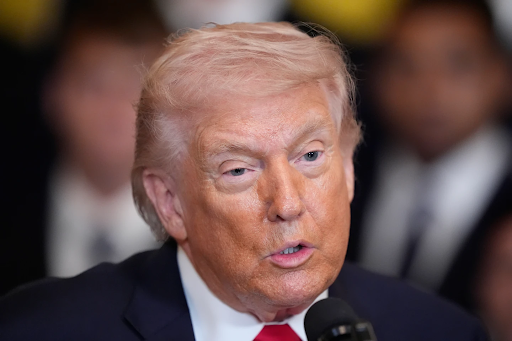
Blair and Powell’s renewed involvement underscores Britain’s quiet but persistent diplomatic influence. Former U.S. President Donald Trump even proposed Blair as part of a “Board of Peace” to oversee Gaza’s reconstruction, though his role remains controversial due to his support for the Iraq War.
Powell, now serving as Starmer’s national security adviser, joined recent talks in Egypt. U.S. envoy Steve Witkoff praised his “tireless efforts” in brokering dialogue.
Yet, not all are convinced of Britain’s ability to steer the process. Bronwen Maddox, director of Chatham House, noted that while the U.K. can “play a small diplomatic part,” its influence in the Middle East will likely be limited.
A Fragile Hope for Peace
Northern Ireland’s peace has not been perfect — power-sharing has collapsed multiple times, and old wounds remain. Yet, it stands as proof that reconciliation is possible even after decades of bloodshed.
For Gaza, the road ahead is long and uncertain. But if the lessons of Northern Ireland hold true, patience, dialogue, and inclusion may once again turn conflict into coexistence.