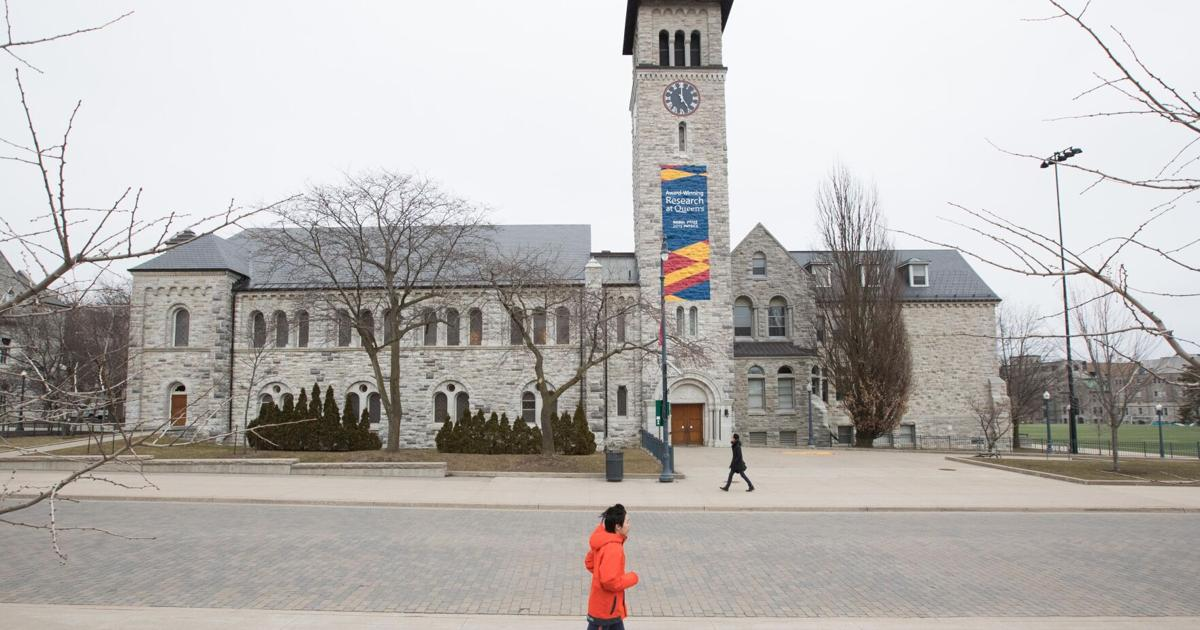
Ontario plans to let colleges and universities increase tuition by up to two per cent each year for the next three years, alongside a $6.4 billion boost in funding. Toronto Star
Ontario will end its long-standing tuition freeze for public colleges and universities this fall, giving institutions room to raise fees while also boosting government funding.
Starting in September, schools may increase tuition by up to two per cent each year for the next three years. After that period, annual increases will follow inflation or remain capped at two per cent, whichever is lower.
Funding Boost for Post-Secondary Sector
Alongside the tuition change, the province will provide $6.4 billion in additional core funding over four years. The government aims to direct much of that funding toward programs tied to “in-demand careers.”
Officials say this investment will raise total annual operating funding for the sector by roughly 30 per cent, reaching about $7 billion per year.
Minister of Colleges, Universities, Research Excellence and Security Nolan Quinn said the plan will protect “the sustainability” of institutions while preparing students “with the in-demand skills they need to meaningfully find good-paying, rewarding careers, while continuing to keep education accessible and keep costs down for students and their families.”
The government also plans to create 70,000 new student spaces across the system.
Finance Minister Peter Bethlenfalvy called post-secondary education “one of Ontario’s most important long-term investments —and today’s announcement helps ensure that investment remains strong, responsible and sustainable for years to come.”
Changes to Student Financial Aid
The province will also reform the Ontario Student Assistance Program. Currently, most student aid comes in the form of grants. Beginning this fall, students will receive a maximum of 25 per cent of their OSAP funding as grants, with the rest issued as loans.
Quinn said the changes will help protect long-term access to education. “These decisions will preserve student access to education for decades to come,” he added.
Colleges and Universities Respond
University and college leaders welcomed the new funding and the ability to introduce what they described as modest tuition increases.
Steve Orsini, president and CEO of the Council of Ontario Universities, said the added support strengthens sustainability and long-term planning for institutions and students.
Colleges, which faced heavy financial losses after the federal government limited international student numbers, also expressed relief.
Maureen Adamson, president and CEO of Colleges Ontario, said graduates remain vital to industries such as manufacturing, construction, transportation, mining, energy and health care.
However, not everyone supports the move. Ontario NDP MPP Peggy Sattler criticized the government’s decision, arguing that higher tuition and fewer grants will burden families already facing high living costs.
“(Premier Doug) Ford’s plan to hike tuition and cut OSAP grants will make it impossible for young people to build a future in Ontario. He is downloading the costs of his cuts to students and families,” she wrote.
“When young people cannot afford to go to college or university, or graduate buried in debt, we are not just hurting students, we are damaging Ontario’s economic future.”
Sector Faces Ongoing Challenges
Ontario’s post-secondary sector has struggled since the federal government capped international student enrolment. Colleges and universities lost an estimated $2 billion in annual revenue.
Institutions have already reduced spending by about $1.8 billion, suspended hundreds of programs and cut thousands of jobs. Several campuses have closed.
Despite the tuition increase, provincial fees will remain below 2019 levels until 2030.
Quinn acknowledged that schools must still seek efficiencies across the sector. “We must face the reality that our post-secondary landscape is very different than it was in 2019,” he said.