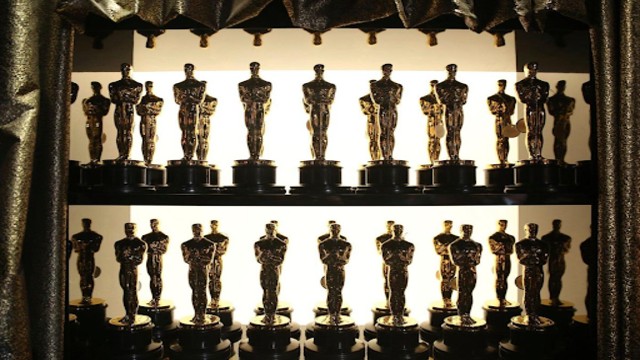
Oscars Break With TV Tradition, Head to YouTube in 2029. (AP Photo)
The Academy Awards are preparing for a dramatic transformation. Beginning in 2029, the Oscars will move away from traditional broadcast television and stream globally on YouTube, ending a decades-long association with ABC.
The Academy of Motion Picture Arts and Sciences confirmed the decision on Wednesday, calling it a landmark step aimed at reaching a wider, more international audience.
ABC era to end after centennial show
ABC will remain the broadcast home of the Oscars through 2028. That year will mark the ceremony’s 100th edition, closing a historic chapter in television.
After that milestone, YouTube will take over global streaming rights from 2029 through 2033. The platform will host not only the main awards night but also year-round Academy programming.
This includes red-carpet events, the Governors Awards, and the Oscar nominations announcement.
A first for major award shows
While award shows have increasingly leaned on streaming partnerships, this move breaks new ground. The Oscars will become the first of the major awards — alongside the Grammys, Emmys, and Tonys — to fully abandon broadcast television.
The shift places one of the most-watched non-NFL events under the control of Google-owned YouTube, which reaches around two billion users worldwide.
The ceremony will stream for free globally. It will also be available on YouTube TV, with multilingual audio options and closed captioning.
Academy cites global reach and access
Academy leadership framed the move as a strategic evolution. Chief executive Bill Kramer and president Lynette Howell Taylor said the partnership reflects the Academy’s international identity.
They said YouTube’s scale would help expand access to the Oscars and Academy content worldwide. According to them, the deal benefits both Academy members and the broader film community.
Financial terms of the agreement were not disclosed.
YouTube positions Oscars for a new generation
YouTube chief executive Neal Mohan described the Oscars as a vital cultural institution. He said the partnership would inspire a new generation of filmmakers and film lovers.
Mohan added that the platform aims to preserve the ceremony’s legacy while introducing it to audiences who increasingly consume entertainment online.
YouTube already dominates viewing habits, especially among younger audiences. Nielsen data shows it accounted for nearly 13 per cent of all TV and streaming consumption in November.
A long relationship with ABC ends
ABC has aired the Oscars for most of the ceremony’s televised history. NBC first broadcast the awards in 1953, but ABC acquired the rights in 1961.
Aside from a brief return to NBC between 1971 and 1975, ABC has remained the Oscars’ home for more than 60 years.
In a statement, ABC said it was proud of that legacy. The network said it looks forward to broadcasting the next three ceremonies, including the centennial event in 2028.
Ratings strong, but far from past peaks
The 2025 Academy Awards drew 19.7 million viewers on ABC, slightly up from the previous year. It remains one of television’s biggest annual broadcasts.
However, those numbers are well below the Oscars’ peak. In 1999, more than 55 million viewers tuned in to watch Titanic win best picture.
The steady decline reflects broader changes in viewing habits, as audiences shift from traditional television to streaming platforms.
Why YouTube, not Netflix or Peacock?
In choosing YouTube, the Academy passed over competitors such as Netflix and NBCUniversal’s Peacock. Unlike those platforms, YouTube lacks a long track record in producing live prestige broadcasts.
Still, its unmatched reach appears to have tipped the balance. More people watch YouTube than any other streaming service, particularly younger viewers.
For the Academy, the move signals a bet on accessibility and scale over tradition.
A turning point for live television
The Oscars’ decision underscores a larger shift in how major cultural events are consumed. Live television is no longer the default destination, even for institutions rooted in broadcast history.
By moving to YouTube, the Academy is betting that the future of awards shows lies where audiences already are.
When the Oscars stream live online in 2029, it will mark not just a new home, but a new era for Hollywood’s biggest night.