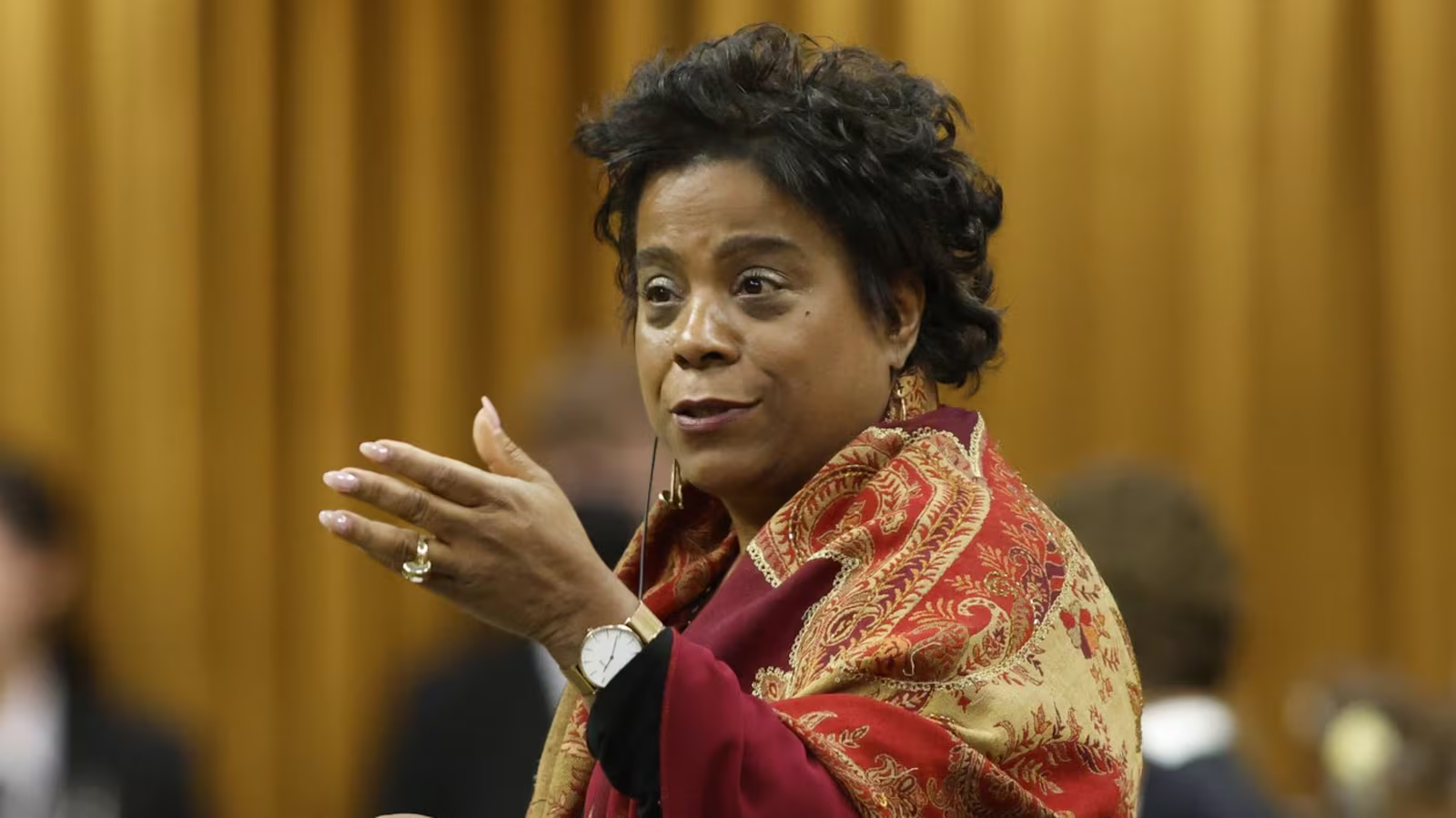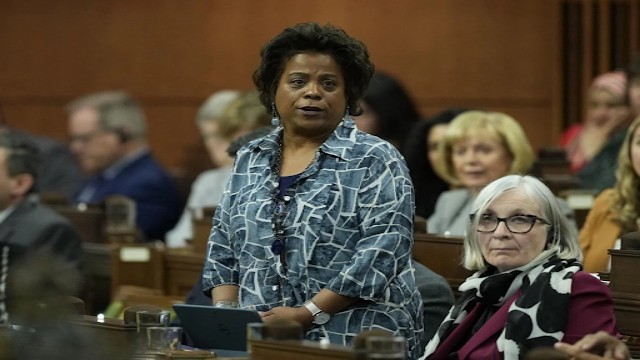
Health Minister Marjorie Michel stands to speak during question period in the House of Commons in Ottawa. (Photo: THE CANADIAN PRESS/Adrian Wyld)
Federal Health Minister Marjorie Michel is holding back on signing more pharmacare funding agreements with Canada’s provinces and territories. While the previous Liberal government struck deals with Prince Edward Island, British Columbia, Manitoba, and Yukon to fund birth control and diabetes medications, no new commitments have been made since the recent federal election.
The pharmacare initiative, part of legislation passed by the Trudeau Liberals last fall, aimed to make essential medications like contraceptives and diabetes treatments accessible at no cost. During the campaign, the Liberals pledged to continue this program and protect other key social supports. But now, the current government seems hesitant to expand these agreements to the remaining provinces.
When pressed this week during a press conference in New Brunswick, Minister Michel offered little clarity. “This is a new government in a new context,” she said, without providing a clear reason for the delay in talks with other provinces.
A spokesperson for Michel later confirmed that the government intends to uphold the existing four deals. However, she avoided confirming any plans to pursue new agreements. “Our new government will be there to discuss with our provincial and territorial partners how we can support them for better health outcomes,” said Emilie Gauduchon-Campbell in an email statement.
Health advocates are raising concerns. Steven Staples from the Canadian Health Coalition pointed out that $1.5 billion was earmarked in the last federal budget to fund pharmacare. He reminded the government that Canadians didn’t vote for reduced healthcare. “Nobody voted for cuts to health care, including pharmacare,” Staples stressed.
The New Democratic Party, which was instrumental in pushing for pharmacare through its past deal with the Trudeau Liberals, didn’t mince words. Interim leader Don Davies criticized the current government's lack of urgency and accused it of betraying Canadians. “We call on Prime Minister Mark Carney to get back on track and honour the law passed by Parliament,” Davies said. “Every Canadian deserves access to medicine without having to sacrifice groceries.”
New Brunswick Premier Susan Holt told the Telegraph-Journal that she hasn’t heard from Ottawa since the election, despite her own Liberal party campaigning on promises to fund contraceptives. Her province remains outside the pharmacare program.
Former Health Minister Mark Holland had previously said time constraints might prevent finalizing more agreements before the election. He and the NDP had warned that a Conservative win would likely derail pharmacare completely. Back in February, Holland had announced a $219 million deal with Manitoba and said expanding the program was “just logic.”
However, under Prime Minister Carney, the new federal government has hinted that budget cuts are coming. Their focus appears to have shifted toward economic priorities and national defence.
At the recent Council of the Federation meetings in Ontario, premiers agreed that healthcare is crucial, but pharmacare was barely mentioned in their final summary. While there were general calls to improve access to medication, specific support for national pharmacare was absent.
P.E.I. Premier Rob Lantz, incoming chair of the Council, emphasized the group's role in pushing for more health funding. Meanwhile, Manitoba Premier Wab Kinew made an emotional appeal to keep Canada's universal health care system strong. He highlighted it as a core part of Canadian identity, saying, “If we want to stand firm against Donald Trump and stay proudly Canadian, our healthcare system must support everyone.”
Still, the premiers admitted they didn’t discuss pharmacare with Carney during their meeting, which focused more on U.S. trade tensions.