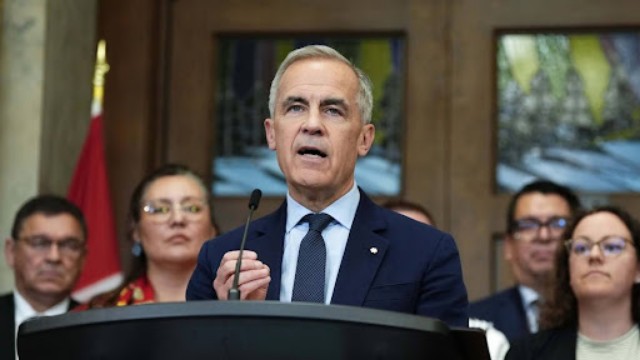
CTV News political analyst Tom Mulcair shares his thoughts on Bill C-5 clearing the Senate, saying he expected it to pass without any changes.
Bill C-5, the federal government’s new law aiming to fast-track major national projects, has officially become law — and it’s already drawing heavy criticism. While the legislation is pitched as a tool to boost Canada’s economy, Indigenous leaders and environmental advocates say it bypasses essential rights, protections, and democratic processes.
Why Is Bill C-5 So Controversial?
Bill C-5 gives the federal government sweeping powers to push forward major infrastructure and resource projects. The idea is to remove red tape and delays—especially those tied to environmental assessments and bureaucratic procedures—so that projects can move ahead quickly.
However, this fast-tracked approach raised serious red flags, especially among Indigenous communities. An early draft of the bill even proposed bypassing the Indian Act. Though that part was removed, many argue the bill still fails to properly respect Indigenous rights and titles.
Indigenous Leaders Voice Strong Opposition
Before the bill passed, many Indigenous leaders urged the government to pause and consult communities. They wanted time to review the law with legal experts and suggest changes. Their calls were largely ignored.
In the Senate, Senator Paul Prosper, a member of the Mi’kmaq Nation, proposed an amendment that would have required full and informed consent from affected Indigenous communities before any project could go ahead. That amendment was rejected.
Senator Prosper expressed deep frustration, noting how the country seems to be drifting away from thoughtful, respectful discussions. He said the response to his concerns—including threats and racist messages—was so intense that his staff feared answering unknown calls.
"This isn't just about a law—it’s about how we treat people who are asking to be heard," Prosper said during his speech in the Senate.
A Nation Divided on Development
Despite the protests, Bill C-5 moved swiftly through Parliament. It passed through the House of Commons, was introduced in the Senate midweek, and became law the very next day after receiving royal assent.
Senator Leo Housakos, the Opposition Leader in the Senate, acknowledged the deep divide in Canadian politics. He said the country is in a tough spot, but compromise is key.
"We all need to meet halfway," he said, urging Canadians to find common ground between economic growth and environmental responsibility.
Environmental Groups Speak Out
Many environmental organizations joined Indigenous communities in condemning the bill. Atiya Jaffar of 350 Canada called it a dangerous law that hands “unchecked power” to the government. She accused the bill of pushing projects without real consultation or accountability.
“This is not how you build a just future,” Jaffar stated. “You can’t bulldoze over people’s rights and call it progress.”
Business Groups Back the Bill
Not everyone is against the new law. Development-focused organizations such as the Canadian Chamber of Commerce welcomed the change. Matthew Holmes, a senior executive with the Chamber, said the bill could unlock significant economic potential by facilitating the faster implementation of major projects.
However, Holmes also urged the government to use this new power responsibly. He stressed the importance of honouring Indigenous rights and following environmental standards.
“Big projects only succeed when done in true partnership,” he said.