The UN reports that the ozone layer is healing and should fully recover in the next few decades. CTV
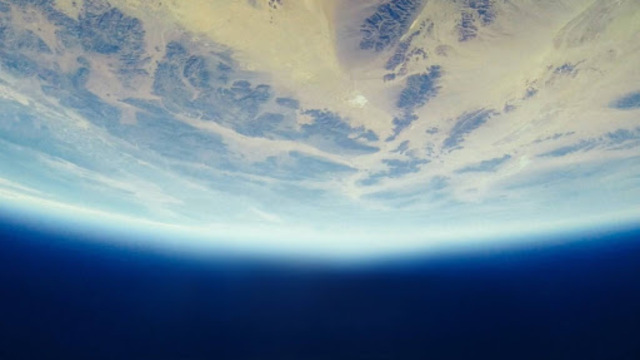
The Earth’s ozone layer is showing strong signs of recovery, according to the United Nations. A report released Tuesday by the UN’s World Meteorological Organization (WMO) noted that the Antarctic ozone hole was smaller in 2024 than in recent years. Officials called this progress a “welcome scientific success for people’s and planetary health.”
United Nations Secretary-General Antonio Guterres praised the milestone, saying, “Today, the ozone layer is healing. This achievement reminds us that when nations heed the warnings of science, progress is possible.”
International Action Drives Recovery
The WMO highlighted that some natural atmospheric factors contributed to year-to-year changes in ozone levels. However, the long-term improvement reflects the effectiveness of global efforts. These efforts began with the Vienna Convention in 1975, which first recognized ozone depletion as a worldwide problem.
The Montreal Protocol, signed in 1987, targeted ozone-depleting substances found in products like refrigerants, air conditioners, and aerosol sprays. Since then, countries have phased out over 99 percent of these harmful chemicals. The WMO said these actions put the ozone layer on track to return to 1980s levels by mid-century, reducing the risk of skin cancer, cataracts, and damage to ecosystems from excessive UV exposure.
Antarctic Ozone Hole Shows Early Signs of Recovery
The 2024 WMO report revealed that the Antarctic ozone hole reached a maximum deficit of 46.1 million tonnes on September 29, below the 1990-2020 average. Scientists also observed a later-than-usual start to ozone depletion in September, followed by a faster recovery after the peak.
“This persistent later onset has been identified as a robust indication of initial recovery of the Antarctic ozone hole,” the WMO bulletin noted.
Long-Term Projections Are Positive
The WMO and the UN Environment Programme conduct a joint scientific assessment of ozone depletion every four years. Their most recent review in 2022 projected that if current policies remain, the Antarctic ozone hole should recover to 1980 levels by around 2066. The Arctic ozone layer is expected to recover by 2045, and the rest of the world by 2040.
The report emphasized that these results demonstrate the power of coordinated international action. Reducing harmful chemicals globally has had measurable, positive effects on the planet’s protective shield. Scientists remain cautious, noting that continued monitoring and adherence to environmental agreements remain essential to maintain progress.
Global Celebration and Awareness
The WMO issued the 2024 Ozone Bulletin to coincide with World Ozone Day and the 40th anniversary of the Vienna Convention. The UN and scientific communities used the milestone to remind countries of the importance of following science-based policies to protect the environment and human health.