Pakistan Afghanistan Open War intensifies after cross-border airstrikes, with conflicting casualty claims and rising regional tensions.
Pakistan has declared what it calls an “open war” with Afghanistan after fresh military strikes intensified border tensions. The announcement followed retaliatory air raids and sharply conflicting casualty claims, raising fears of a prolonged and dangerous confrontation between the two neighbours.
Pakistan-Afghanistan Open War Declared
Pakistan’s Defence Minister Khawaja Mohammad Asif said early Friday that Islamabad’s patience had ended. In a statement posted on X, he accused Afghanistan’s Taliban government of allowing cross-border attacks and exporting terrorism into Pakistan.
Asif said Pakistan had hoped for regional stability after NATO forces withdrew from Afghanistan. Instead, he alleged, Afghanistan had become a hub for militants targeting Pakistan. He also claimed the Taliban government was aligned with India, a charge that adds another layer to the regional rivalry.
“Our patience has now run out,” Asif wrote, describing the situation as open war between the two countries.
Afghan officials have not directly responded to his remarks.
Airstrikes Deepen Pakistan-Afghanistan Open War
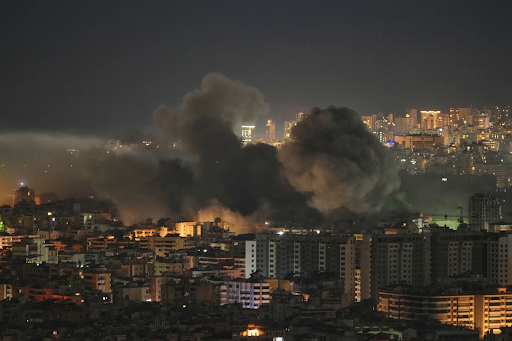
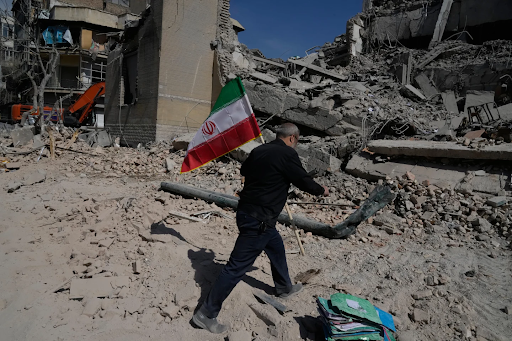
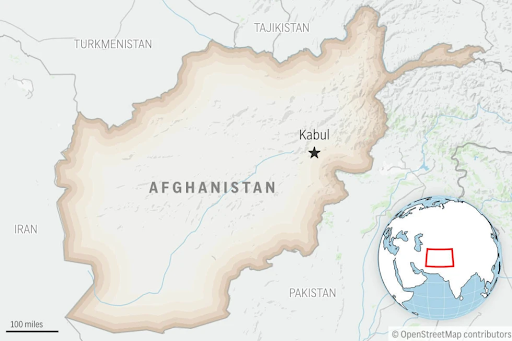
The declaration followed Pakistani airstrikes in Kabul, Kandahar, and Paktia province. Pakistani officials described the strikes as retaliation for Afghan cross-border attacks. Afghanistan’s government spokesperson confirmed the strikes but rejected Pakistan’s justification.
The escalation comes months after Qatar and Turkey brokered a fragile ceasefire. That truce now appears to have collapsed under renewed hostilities.
As tensions flared, both governments issued sharply different accounts of battlefield losses. Independent verification of those claims remains impossible.
Conflicting Casualty Claims
Afghanistan’s Defence Ministry said 55 Pakistani soldiers were killed overnight. It also claimed several were captured and that eight Afghan soldiers died in the fighting. According to Kabul, Afghan forces destroyed 19 Pakistani army posts and two bases before the clashes subsided around midnight.
Pakistan’s Information Minister Attaullah Tarar offered a very different picture. He said only two Pakistani soldiers were killed and three wounded. A spokesperson for Prime Minister Shehbaz Sharif denied any soldiers had been captured.
Pakistani officials countered that at least 133 Afghan fighters were killed and more than 200 wounded. They claimed 27 Afghan posts were destroyed and nine fighters captured. The figures reflect deep mistrust and sharply opposing narratives.
Border Flashpoints and White Flags
Two senior Pakistani security officials said Afghan forces at some border posts raised white flags during the fighting. They described it as a request to halt firing. However, Pakistani forces reportedly continued what they called a decisive response to unprovoked aggression.
These officials spoke anonymously due to media restrictions. Their statements underscore how volatile the border has become.
The Pakistan-Afghanistan open war narrative now dominates political discourse in Islamabad. It also signals a hardening stance that could complicate future diplomacy.
Accusations and Human Rights Concerns
Asif further accused the Taliban government of denying Afghans basic rights, including rights for women. He argued that Pakistan had sought stability through diplomacy and friendly nations but was forced into action after what he described as aggression.
He praised Pakistan’s armed forces for delivering what he called a decisive response. The language suggests Islamabad sees little room for compromise at present.
Refugees Caught in the Middle
The renewed conflict has already affected civilians. Pakistani authorities said dozens of Afghan refugees at the Torkham border were moved to safer areas after clashes erupted.
Since October 2023, Pakistan has carried out a sweeping crackdown on undocumented migrants. Millions have crossed back into Afghanistan, including families who had lived in Pakistan for decades.
According to the U.N. refugee agency, 2.9 million people returned to Afghanistan last year alone. Nearly 80,000 have returned so far this year, reflecting ongoing instability.
What Comes Next?
The Pakistan-Afghanistan open war declaration raises serious regional concerns. Both countries share a long and tense border with a history of disputes. Diplomatic channels appear strained, and previous mediation efforts have faltered.
For now, the situation remains fluid and dangerous. Without renewed dialogue, the risk of further escalation continues to grow.