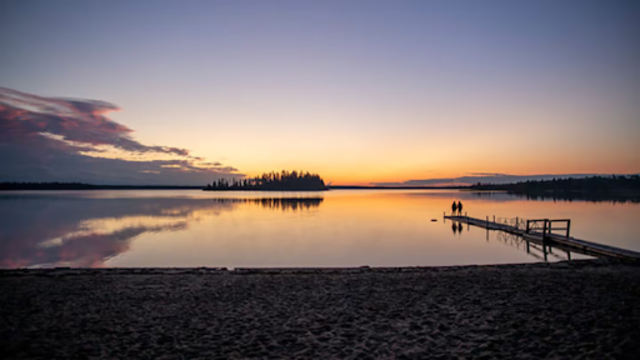
Astotin Lake is located within Elk Island National Park. CTV
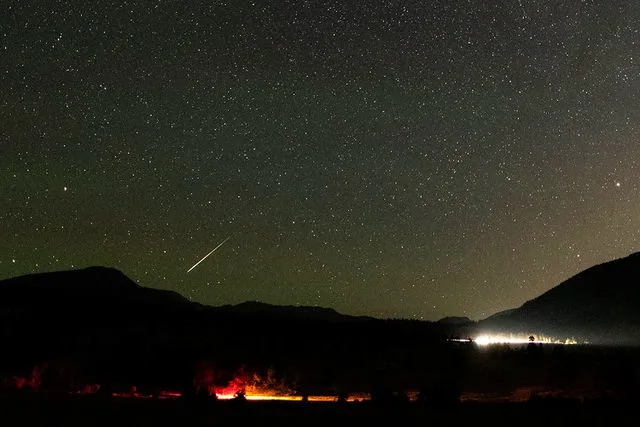
Elk Island National Park is bracing for large crowds over the next two nights as visitors gather to watch the Perseid meteor shower. The park’s low light pollution and close distance from the city make it a favorite spot for stargazing and catching rare celestial events.
Park superintendent Dale Kirkland said Elk Island’s location in the Beaver Hills Dark Sky Preserve offers a calm, peaceful setting for viewing the night sky. He noted that the park is well-known for sightings of both the aurora borealis and meteor showers.
Managing the Expected Surge
Extra staff are in place to handle the increased number of visitors. Kirkland warned that when the park reaches capacity, it can lead to safety issues, loud noise, and illegal parking.
“We anticipate we’re going to reach capacity over the next few days,” Kirkland explained. “We have a plan in place. If needed, we may close certain areas or redirect visitors for safety.”
He also mentioned that high traffic often leads to more roadkill, which the park works to minimize.
Moonlight Could Dim the View
While many visitors hope to see a spectacular show, Frank Florian, senior manager of the planetarium and space sciences at the TELUS World of Science, noted that moonlight might make some of the faint meteors harder to see.
“You need patience with meteor showers,” Florian advised. “It’s best to lie back, look at a wide area of the sky, and take in as much as possible. Meteors can appear anywhere.”
The TELUS World of Science will not open its planetarium for the Perseid event this year, encouraging people to find dark, rural spots away from city lights for the best view.
Nature’s Summer Spectacle
The Perseid meteor shower is considered the best of the summer. It usually peaks between August 11 and 13, but meteors can appear as early as mid-June and as late as early September.
Florian explained that the shower comes from tiny particles left behind by the Swift-Tuttle comet as it orbits the sun. Every August, Earth passes through this trail of debris, causing bits of material to burn up in the atmosphere and streak across the sky.
“These are all little bits of material burning up in the Earth’s atmosphere that we call a meteor,” Florian said.
The prime viewing times this year will be overnight on Monday and Tuesday.