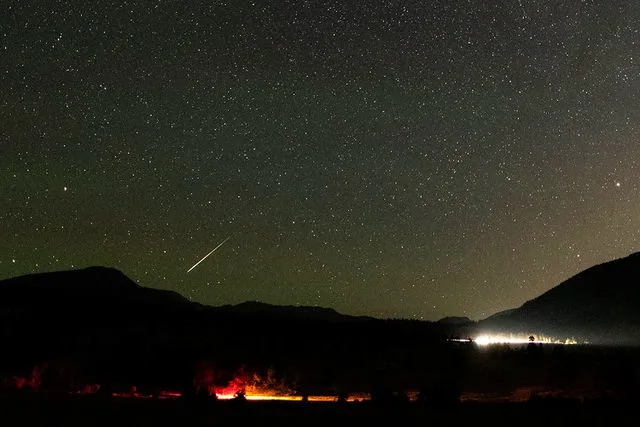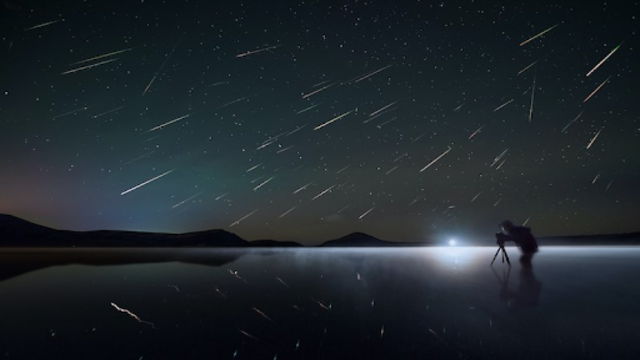
Metro Vancouver’s night sky will light up on Tuesday, August 12, 2025, as the Perseid meteor shower reaches its peak, with some meteors appearing as bright fireballs. Getty Images
The Perseid meteor shower, one of the most anticipated celestial events, is at its brightest this week. Stargazers have been catching glimpses of meteors since July 17, but the most spectacular display arrived on August 12, with an estimated 50 to 75 meteors streaking through the night sky each hour.
This annual show is also known for its “fireballs” — extra-bright meteors that glow longer and shine more vividly than regular shooting stars. These fiery streaks can fill the sky with sudden bursts of light and color.
Bright Skies Bring Good Viewing Conditions
In Metro Vancouver, the weather is promising for meteor watchers, with mostly clear skies predicted. However, this year’s nearly full moon creates one challenge. Its brightness will make faint meteors harder to spot.
Astronomer Rosanna Tilbrook says sky-watchers can still expect to see 20 to 40 meteors an hour during the peak. She recommends turning your gaze away from the moon after it rises around 10 p.m. for a better view.
Where to Look in the Night Sky
The Perseids get their name because they seem to come from the constellation Perseus, located in the northeast. But you don’t need to focus only there. The meteors streak across the entire sky, giving you plenty of chances to catch one no matter where you’re looking.
Best Places to Watch
Tilbrook advises choosing a spot far from city lights and with a wide, open view of the sky. In Vancouver, beaches such as Spanish Banks and Wreck Beach can be great viewing points, as long as there are no streetlights nearby.
City parks may also work if they’re away from bright lighting. For those willing to travel a bit, Porteau Cove along the Sea to Sky Highway is a popular choice for its dark skies and unobstructed views.
Tips for a Better Experience
Light pollution in Vancouver will always limit visibility for fainter meteors, but avoiding direct glare from streetlights can make a big difference. Patience is key — it might take several minutes before you spot your first meteor.
Tilbrook recommends lying on your back to see more of the sky at once. The longer you watch, the more shooting stars you’re likely to catch.
The Perseid meteor shower runs until August 23, so even after the peak, there’s still time to enjoy the show.