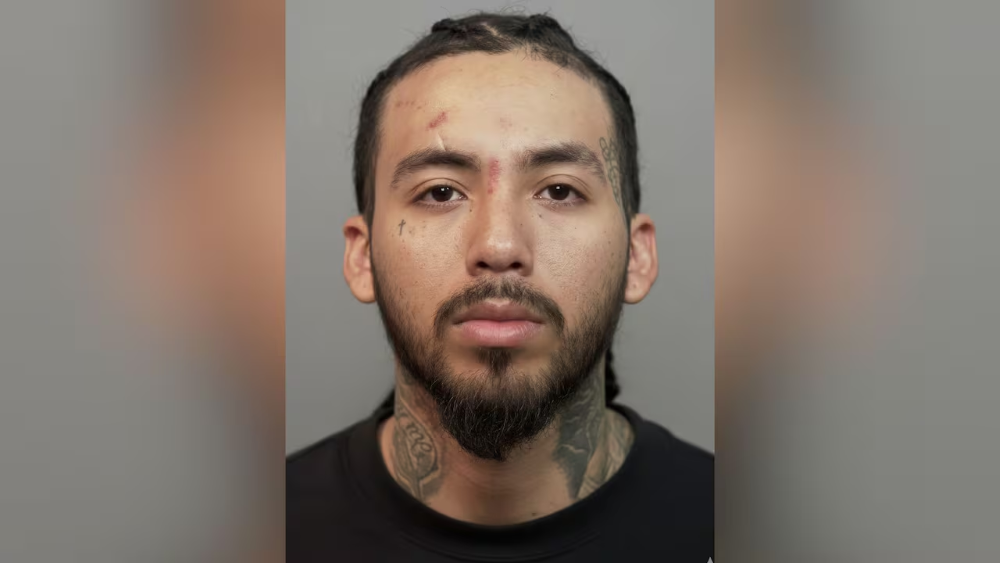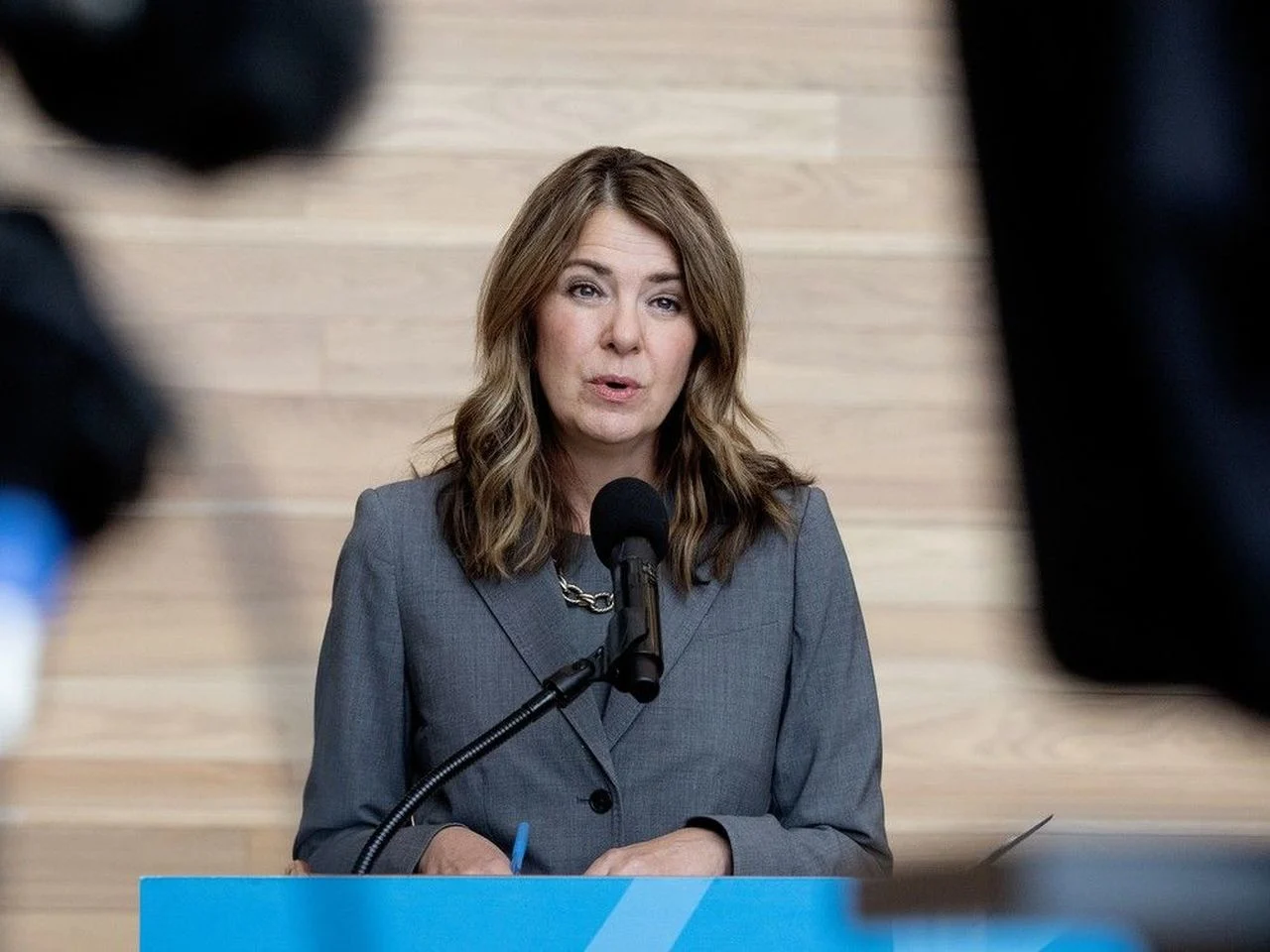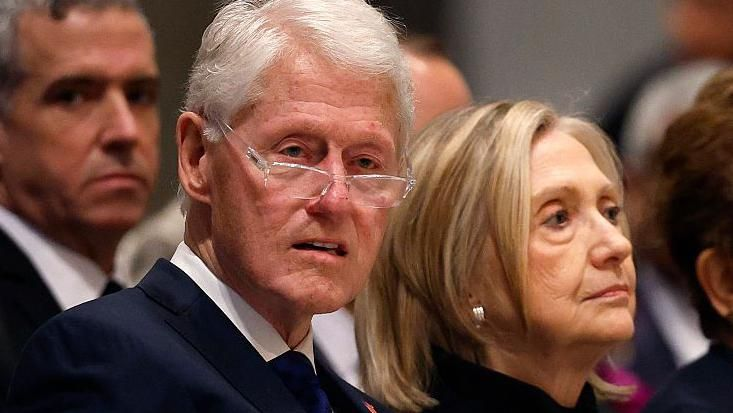
Conservative Leader Pierre Poilievre addresses reporters about public safety in Woodbridge, Ont., on Thursday, Sept. 11, 2025. (The Canadian Press)
Conservative Leader Pierre Poilievre announced that his party will introduce a new bail reform bill this fall. The proposal aims to make it harder for people accused of certain serious crimes to get bail. Poilievre says the bill will focus on offences that put public safety at risk.
Targeted Crimes Include Major Offences
The bill would create a new category of major offences. This category includes sexual assault, kidnapping, human trafficking, home invasion, and firearms-related crimes. Poilievre explained that under the new rules, accused individuals would face a reverse onus. They would have to prove why they should be released instead of the court assuming they can be.
Support from Police and Premiers
Premiers and police associations have urged stricter bail rules in recent months. Poilievre says the new Conservative bill responds to these calls. “We need to prioritize the safety of Canadians,” he said. The party plans to move quickly to introduce the legislation when Parliament resumes this fall.
Federal Government Also Plans Changes
Prime Minister Mark Carney confirmed his government will also bring forward a bail reform bill during the upcoming fall sitting of Parliament. Carney said during the spring election campaign that his government wants stricter bail rules for people accused of home invasion, car theft, violent crimes, and organized crime. Both parties are signaling strong action on public safety.
Reverse Onus Explained
The reverse onus approach shifts the responsibility to the accused. Instead of judges assuming a person can be released, the accused must show why they should be freed. Supporters argue this will prevent repeat offences and protect communities. Critics, however, may question whether it could lead to longer pre-trial detention for some individuals.
Timing and Political Context
The fall session of Parliament begins Monday, and both Conservative and federal government proposals are expected soon. The debate over bail reform comes after months of public and political pressure to address crime and repeat offenders. Poilievre and Carney are both emphasizing safety while appealing to voters concerned about rising crime rates.
Looking Ahead
Lawmakers will discuss the details of both bills in the coming months. The new legislation could lead to significant changes in how courts handle bail for serious crimes. Police and community leaders say the reforms are long overdue, while legal experts will watch closely for potential challenges in court.