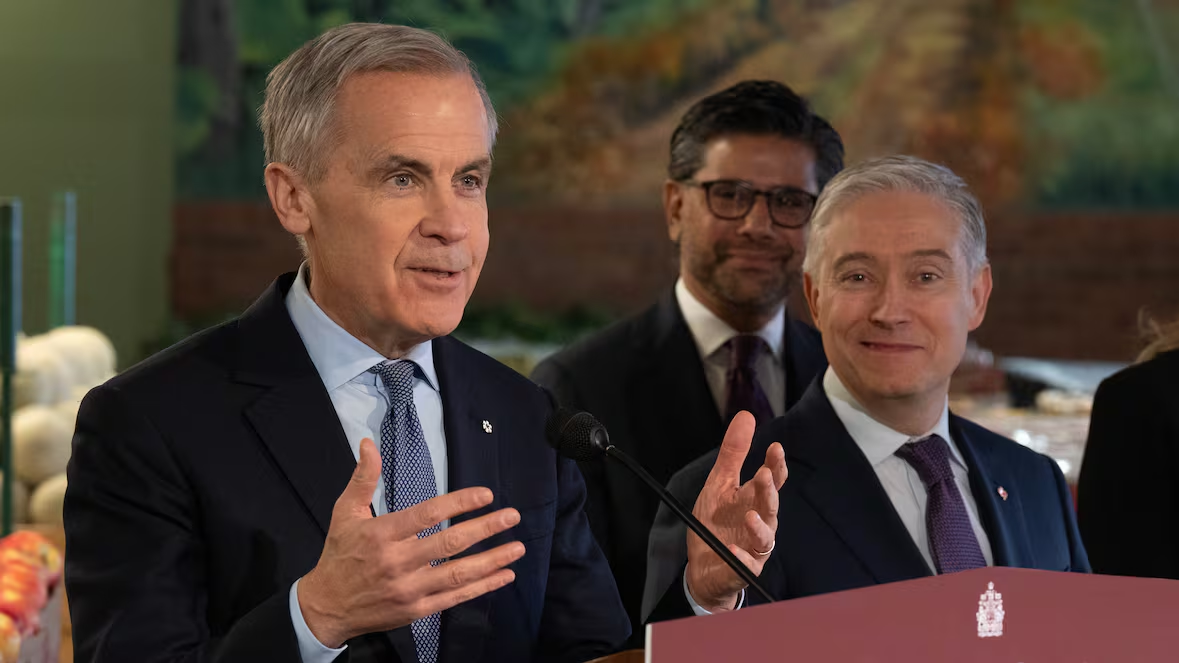
Finance and National Revenue Minister François-Philippe Champagne stands nearby as Prime Minister Mark Carney explains new cost-of-living measures during a grocery store visit in Ottawa on Monday. THE CANADIAN PRESS
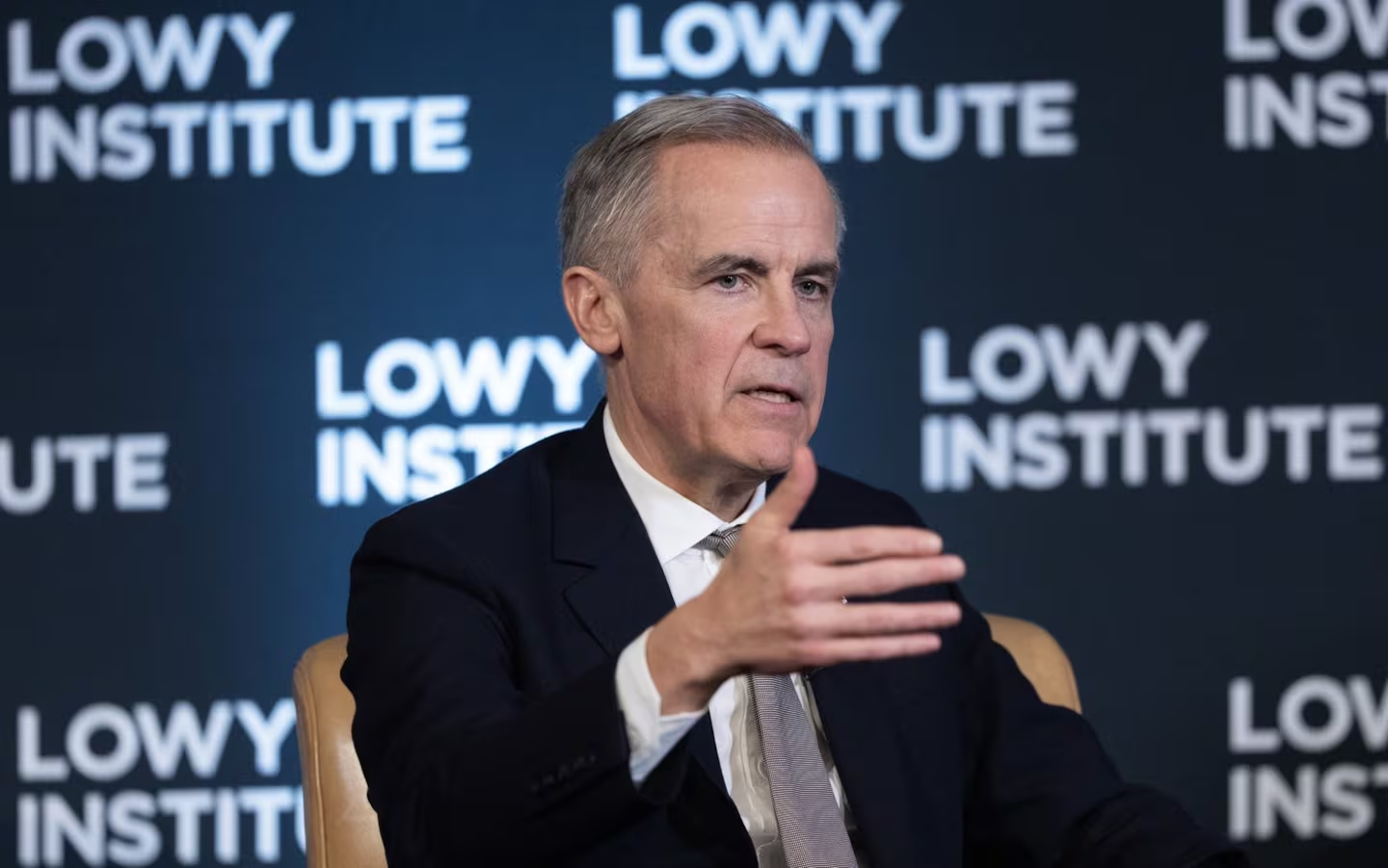
Prime Minister Mark Carney announced a new set of affordability measures on Monday, saying they will help Canadians manage the rising cost of groceries and everyday essentials. He made the announcement in Nepean, Ontario, as families across the country continue to feel pressure from higher prices.
At the center of the plan sits a new benefit that builds on the existing GST rebate for low- and modest-income Canadians.
Boost to GST Rebate Payments
The main feature of the announcement is the Canada Groceries and Essentials Benefit. Carney said the benefit will increase GST rebate payments over the next five years, starting with a large one-time boost in the first year.
"Canada’s new government is acting today to provide a boost to those Canadian families who most need one, while creating a bridge to longer-term food security and affordability," Carney said.
In the first year, a family of four eligible for the GST rebate will see their annual support rise from $1,100 to $1,890. Single individuals will see their payments increase from $540 to $950.
Beginning next year, the rebate will rise by 25 percent for four additional years. Under that plan, a family of four will receive up to $1,400 each year, while individuals will get about $700 annually.
"The rise in food prices means that a lot of those Canadians need more support right now," Carney said.
Steps to Address Food Inflation
Carney also outlined measures designed to lower grocery prices over time. He said food costs have risen faster than inflation, placing extra strain on household budgets.
The government will direct $500 million from the Strategic Response Fund to help food suppliers expand capacity and improve productivity. Food businesses that invest in strengthening their supply chains can apply to have part of their costs covered.
In addition, the government will create a $150-million Food Security Fund. The fund will support small- and medium-sized businesses by helping them expand greenhouses, improve meat processing facilities, and strengthen food supply chains.
Support for Producers and Communities
One immediate change will allow companies to fully write off new greenhouse purchases made on or after Nov. 4, 2025, as long as they come into use before 2030.
"This measure supports increased domestic supply and investment in food production over the medium term," a government statement said.
Carney also announced $20 million in added funding for the Local Food Infrastructure Fund to support food banks and community programs.
"This will help boost community food programs, helping them to deliver more nutritious food for families in need," he said.
National Food Strategy in Development
The government is also working on a National Food Security Strategy. Carney said the plan will focus on strengthening food production, improving access to healthy food, and reducing food insecurity, especially in northern communities.
The strategy will include unit price labeling to help shoppers compare prices and address shrinkflation. It will also support the Competition Bureau in monitoring fairness in the grocery market.
Opposition Reaction
Opposition House leader Andrew Scheer criticized the GST rebate increase, calling it a temporary solution.
"It will not permanently provide relief," Scheer said. "It is a temporary measure; I believe it won't even cover one trip to the grocery store for an average working family."
Despite the criticism, Scheer said his party will support measures that offer relief. Conservative Leader Pierre Poilievre later confirmed his party will allow the GST top-up to pass Parliament.