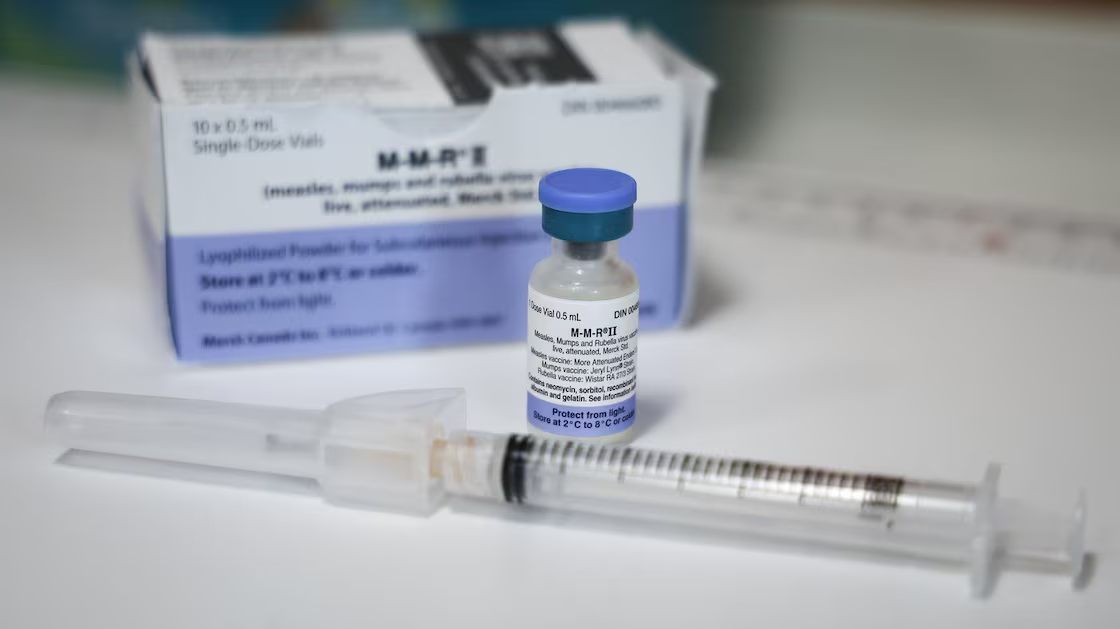
Health officials issue a Polio Travel Warning as the CDC advises travelers to check vaccinations before visiting Spain, the UK, and other regions.
International travel plans often come with reminders about passports, visas, and safety precautions. Now, health officials are urging travelers to pay close attention to something equally important: their vaccinations. The CDC warns travelers of polio risk as the virus has been detected in several countries over the past year, prompting renewed vigilance for anyone planning to travel abroad.
The advisory from the Centers for Disease Control and Prevention highlights the importance of checking immunization status before international trips. Although polio has been largely eliminated in many parts of the world, recent detections of the virus across multiple regions have raised concerns about possible exposure for travelers.
CDC Issues Level 2 Advisory as Poliovirus Resurfaces
On March 3, the CDC issued a Level 2 travel advisory after poliovirus was identified in several destinations within the past 12 months. The warning encourages travelers to practice enhanced precautions, particularly by confirming they are fully vaccinated against the disease.
The list of affected areas stretches across parts of Africa, the Middle East, and Europe, demonstrating how widely the virus has resurfaced. Countries named in the advisory include Afghanistan, Algeria, Angola, Benin, Burkina Faso, Cameroon, Chad, Côte d’Ivoire, and the Democratic Republic of the Congo.
Additional locations include Djibouti, Ethiopia, Ghana, Guinea, Niger, Nigeria, Senegal, Somalia, South Sudan, Sudan, Tanzania, and Zimbabwe. The advisory also covers regions in the Middle East such as Gaza, Israel, and Yemen.
Several European destinations appear on the list as well, including Finland, Germany, Poland, Spain, and the United Kingdom. Health authorities stress that detection of the virus does not necessarily mean widespread outbreaks, but it does signal potential risk for unvaccinated travelers.
Understanding the Dangers of Polio
Polio is a highly infectious disease that attacks the nervous system and can lead to serious complications. According to the CDC, many people infected with the virus show no symptoms, which allows the disease to spread quietly in communities.
When symptoms do occur, they may include fever, fatigue, nausea, headaches, or muscle stiffness. While most cases remain mild, severe infections can cause permanent paralysis or even death, particularly when the muscles used for breathing become affected.
The virus spreads mainly through contact with contaminated food or water. Poor hand hygiene is often a major factor in transmission, as the virus can live in the feces of infected individuals. When proper sanitation practices are not followed, it can easily pass from one person to another.
Vaccination Remains the Best Protection
Health experts emphasize that vaccination remains the most reliable protection against polio. The CDC recommends that both children and adults ensure their routine polio immunizations are up to date before traveling internationally.
Adults who already completed the full vaccination series may still consider an additional safeguard. The agency recommends a single lifetime booster dose for adults traveling to areas where poliovirus is circulating.
For those who have never been vaccinated or who did not complete the series, officials advise completing the full course before departure. This step significantly reduces the risk of infection while traveling in regions where the virus has been detected.
Why Travelers Should Pay Attention
Polio has become extremely rare in the United States because of decades of widespread vaccination. However, international travel can still expose individuals to diseases that are uncommon at home.
Public health experts note that global travel makes it easier for viruses to move across borders. As a result, staying up to date on vaccines not only protects travelers but also helps prevent the virus from spreading when they return home.
With travel rebounding worldwide, the CDC’s latest advisory serves as a reminder that preparation goes beyond booking flights and packing luggage. Ensuring vaccinations are current can be one of the most important steps travelers take before heading abroad.