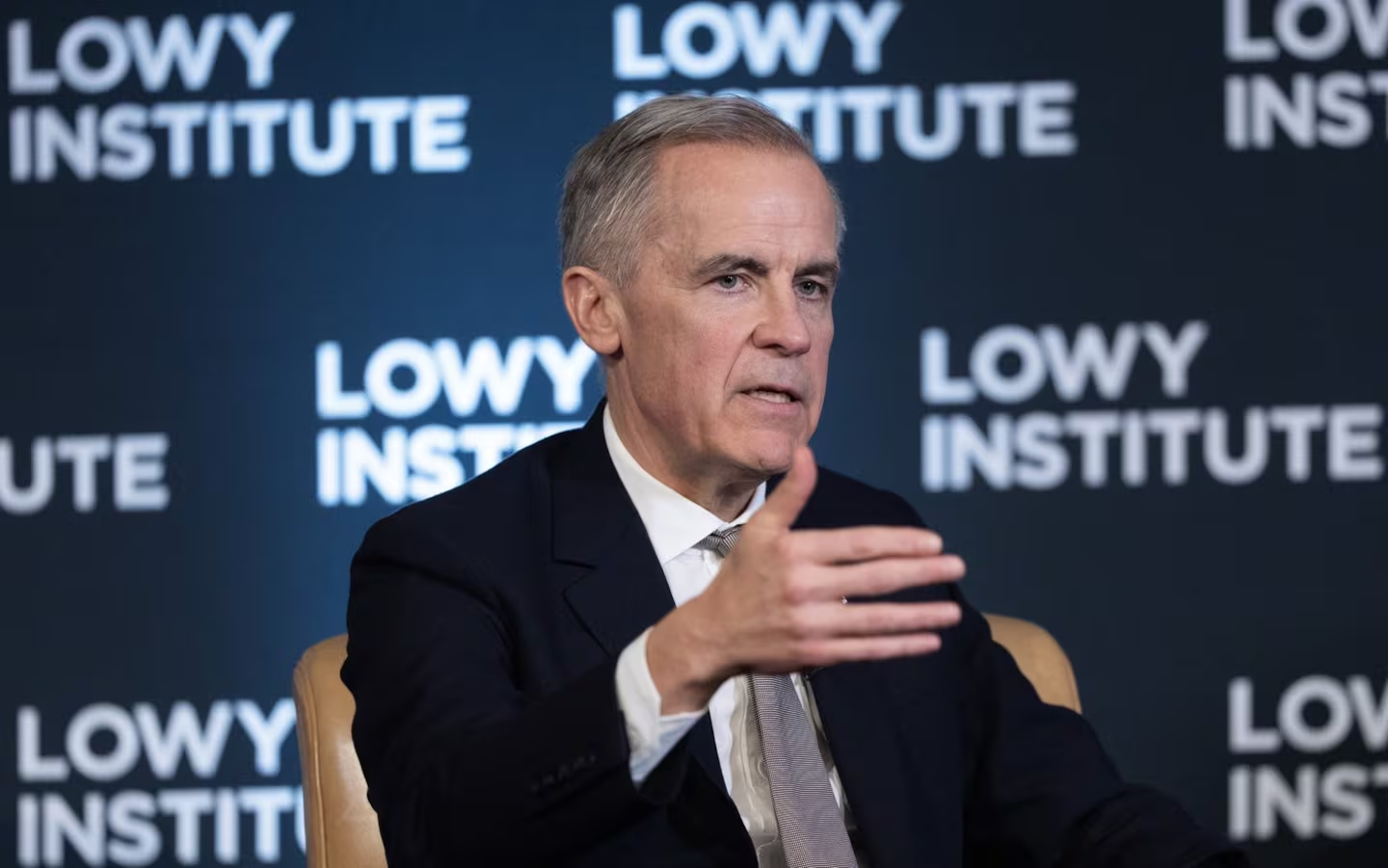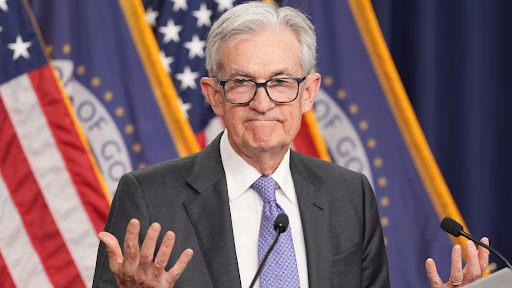
Jerome Powell, head of the U.S. Federal Reserve, speaks during an event in Washington, D.C., on Saturday. The Associated Press
Jerome Powell said Sunday that the administration of Donald Trump threatened him with a criminal indictment. He said the Department of Justice issued grand jury subpoenas linked to testimony he gave to Congress last summer. Powell described the move as a “pretext” meant to increase pressure on the central bank to cut interest rates.
“On Friday, the Department of Justice served the Federal Reserve with grand jury subpoenas, threatening a criminal indictment related to my testimony before the Senate Banking Committee last June,” Powell said in a statement released Sunday.
Long-Running Tension Reaches New Level
Powell said the legal action marks a sharp rise in a long-running dispute that began early in his term as chair of the Federal Reserve in 2018. He said the threat came as the administration continued to push for faster and deeper rate cuts.
“I have deep respect for the rule of law and for accountability in our democracy. No one—certainly not the chair of the Federal Reserve—is above the law,” Powell said.
“But this unprecedented action should be seen in the broader context of the administration’s threats and ongoing pressure,” he added, referring to calls for lower interest rates.
White House Declines to Respond
The White House declined to comment on Powell’s claims and directed questions to the Justice Department. Trump has publicly criticized the Fed’s rate decisions since returning to office in January. He has argued that current policy slows economic growth and has openly discussed removing Powell, despite legal protections that shield the Fed chair from dismissal over policy disagreements.
Dispute Over Building Renovation
The subpoenas focus on Powell’s testimony about a major renovation project at the Fed’s Washington buildings. The administration began criticizing the $2.5 billion project early last year, calling it wasteful and excessive.
Powell rejected that view and said the work addressed aging infrastructure. He shared detailed explanations online and sent letters to administration officials outlining the need for the upgrades.
“This new threat is not about my testimony last June or about the renovation of the Federal Reserve buildings. It is not about Congress’s oversight role,” Powell said.
“Those are pretexts. The threat of criminal charges is a consequence of the Federal Reserve setting interest rates based on our best assessment of what will serve the public, rather than following the preferences of the President.”
A Turning Point for the Fed
Powell rarely comments on political pressure and has often said presidents express opinions on many issues. This time, he spoke directly and forcefully. The timing also matters. Powell’s term as chair ends in May, and the administration’s actions came only months before that date.
During his regular testimony to Congress in June, lawmakers asked Powell several times about the renovation. He answered questions and defended the project. In July, Trump visited the site, and Powell personally gave him a tour.
What Comes Next
The legal process remains unclear, and no charges have been filed. Still, Powell’s statement signals a critical moment for the Fed’s independence. He said the central bank will continue to set policy based on its judgment of what best serves the public