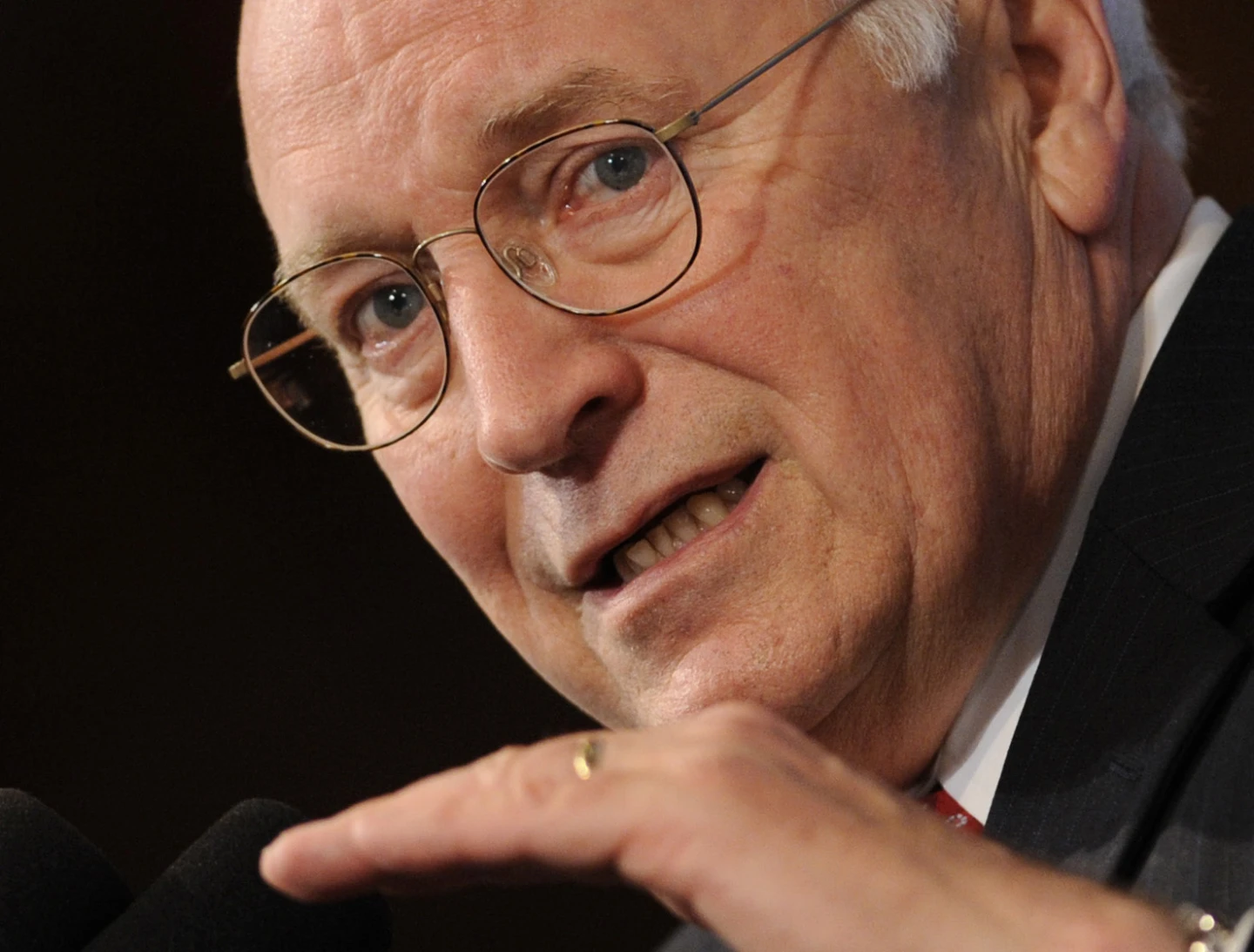
In this June 1, 2009 photo, former U.S. Vice President Dick Cheney speaks at the National Press Club in Washington. AP Photo
Dick Cheney, one of America’s most influential and controversial vice presidents, died Monday at the age of 84. His family said he passed away from complications related to pneumonia and heart disease.
Known for his sharp intellect and unshakable confidence, Cheney transformed the vice presidency into a position of immense influence. During his years in office under President George W. Bush, he played a major role in shaping U.S. policy, particularly after the September 11, 2001 attacks.
A Vice President Like No Other
Before Cheney, vice presidents often stayed in the background. He changed that. Working largely behind the scenes, he became a key decision-maker in the Bush administration. His influence extended to major issues such as the Iraq War, counterterrorism strategy, and executive power.
After the 9/11 attacks, Cheney retreated to secure, undisclosed locations for safety, a move that came to symbolize his quiet but commanding power. His critics dubbed him “Darth Vader,” a label Cheney himself once joked about. “It’s a nice way to operate, actually,” he said.
President Bush praised his former vice president, saying, “History will remember him as one of the finest public servants of his generation — a patriot who brought intelligence and integrity to every role he held.”
From Wyoming to Washington
Born in Lincoln, Nebraska, and raised in Casper, Wyoming, Cheney began his political journey in the 1960s. He first arrived in Washington as a congressional fellow and quickly became a trusted aide to Donald Rumsfeld during the Gerald Ford administration.
By 34, he was the youngest White House chief of staff in history. Later, he served six terms in Congress representing Wyoming, earning a reputation as a tough and disciplined conservative.
In 1989, President George H.W. Bush appointed him Secretary of Defense, where he oversaw U.S. forces during the Gulf War. Between government roles, Cheney led Halliburton, a major oil services company based in Texas.
A Controversial Legacy
As vice president, Cheney became the main advocate for the 2003 invasion of Iraq, claiming the country held weapons of mass destruction and had ties to terrorism — claims later proven false. He also supported secret prisons, harsh interrogation methods, and expanded government surveillance powers, sparking debate over human rights and presidential authority.
Still, many supporters saw him as a man of conviction who acted decisively in uncertain times. “He was always clear about what he believed was right,” said one former adviser.
Life Beyond Politics
Cheney battled heart disease for most of his adult life, suffering several heart attacks before receiving a heart transplant in 2012. Despite health struggles, he continued to speak publicly about politics and foreign policy.
He also stood by his daughter Mary Cheney, who is openly gay, saying, “Freedom means freedom for everyone.”
In later years, Cheney criticized Donald Trump, especially after the January 6th Capitol riot, calling him “a greater threat to our republic than any individual in history.” He supported Kamala Harris over Trump in the last election, a surprising choice for a lifelong Republican.
He is survived by his wife, Lynne, and their daughters, Liz and Mary.