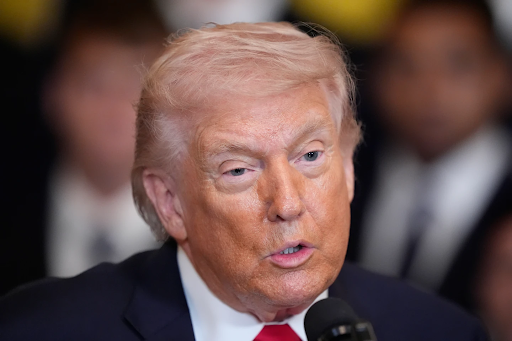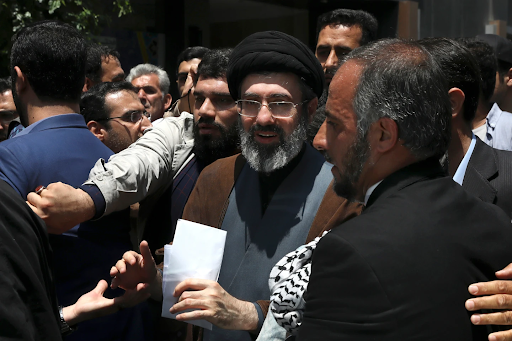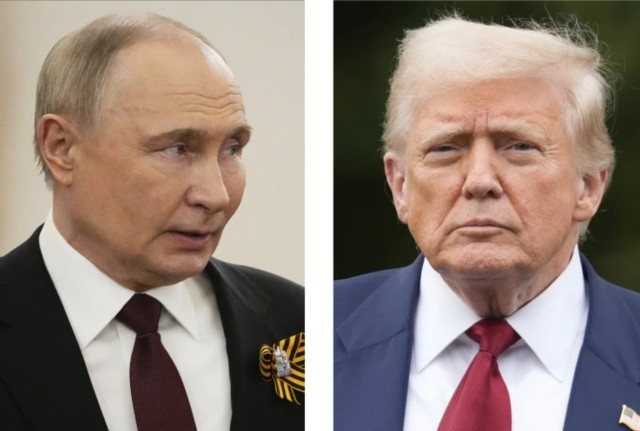
This combination of photos shows Russian President Vladimir Putin, left, in Moscow on May 9, 2025, and President Donald Trump in Washington on Aug. 1.
Russian President Vladimir Putin has expressed hope of meeting former U.S. President Donald Trump as early as next week. He suggested the United Arab Emirates (UAE) as a possible venue. However, the White House has set clear conditions: no summit unless Putin agrees to talks with Ukrainian President Volodymyr Zelenskyy.
This development comes as the U.S. prepares to impose additional sanctions on Russia. The deadline? A demand for progress toward ending the three-year war in Ukraine — or face further economic penalties.
U.S. Firm on Conditions: Include Zelenskyy or No Deal
A White House official clarified that a Trump-Putin meeting hinges on Putin’s willingness to engage with Zelenskyy. Whether Zelenskyy must attend the same summit or meet separately wasn’t made clear. The U.S. official, speaking anonymously, confirmed sanctions would still be announced Friday if Russia doesn't show real peace efforts.
Putin, when asked about Zelenskyy, said talks were not off the table but required “certain conditions.” The Kremlin has long held that a meeting with Zelenskyy should only happen when negotiations are close to a conclusion.
Kremlin Focuses on Bilateral Talks with Trump
Yuri Ushakov, Putin’s foreign affairs aide, dismissed Zelenskyy’s potential participation in a summit. He emphasized that Russia is prioritizing a successful one-on-one meeting with Trump. U.S. envoy Steve Witkoff had floated the idea of including Ukraine in such talks, but Moscow reportedly did not engage on that point.
Kirill Dmitriev, head of Russia’s sovereign wealth fund, also met with Witkoff. He said a summit would give Moscow a chance to present its stance and explore economic cooperation, including rare earth investments.
Russia’s Intentions Questioned Amid Global Diplomacy Push
Putin made his remarks after meeting UAE President Sheikh Mohammed bin Zayed Al Nahyan. Asked who proposed the meeting with Trump, Putin replied that “both sides expressed interest.”
Zelenskyy, meanwhile, reached out to multiple European leaders, emphasizing that Ukraine should not be sidelined in global diplomacy. He stressed that Europe must have a say in ending a war on its own continent.
“Ukraine is not afraid of meetings,” Zelenskyy said. “It’s time to end the war.” He listed a ceasefire, long-term security guarantees, and NATO-style protection as key issues.
Attacks Continue Despite Peace Talk Buzz
Despite the diplomatic chatter, Russian strikes continue. A missile attack on Ukraine’s Dnipro region Wednesday left four dead and eight injured. Zelenskyy highlighted the assault as evidence that Putin is not serious about peace.
Even as Trump urges Putin to relent, Moscow’s military actions remain relentless. This pattern raises doubts about the sincerity behind talk of peace or negotiations.
Ukrainian Public Shifting Toward Negotiated Peace
A recent Gallup poll reveals a significant shift in Ukrainian public opinion. In July, 70% of Ukrainians supported negotiating a peace deal soon — a sharp change from 2022. Back then, three-quarters wanted to fight until full victory. Now, only about 25% feel that way.
The shift is seen across demographics and regions, with the poll excluding areas under full Russian control due to access issues.
Mixed Views in Kyiv on Possible Trump-Putin Meeting
In Ukraine’s capital, opinions on a potential summit are mixed. Some welcome negotiations as the only way forward. “This war will only end with talks,” said resident Ruslan Prindun.
Others are skeptical. “Putin is just trying to avoid sanctions,” said Lyudmila Kostrova. Another resident, Volodymyr Tasak, expressed concern that Zelenskyy is being sidelined.
What’s Next?
A Trump-Putin summit, if it happens, would mark the first major U.S.-Russia meeting since 2021. While it could be a symbolic breakthrough, experts warn it may not bring real change unless both Moscow and Kyiv agree on key terms.
Until then, the world watches as diplomacy, war, and public pressure continue to collide.