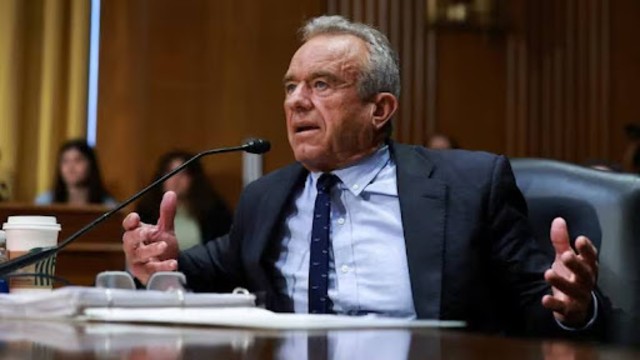
Health Secretary Robert F. Kennedy Jr. faced bipartisan grilling at Thursday’s Senate Finance Committee hearing.
The U.S. Senate turned into a battleground on Thursday as Health Secretary Robert F. Kennedy Jr. faced hours of intense questioning from both Democrats and Republicans. Lawmakers grilled him on his vaccine policies, his firing of top health officials, and his sharp departure from the government’s earlier pandemic response.
The hearing quickly escalated, exposing the deep rift over vaccine policy that continues to divide Washington.
A Divisive Start
Kennedy’s decision to dismiss CDC Director Susan Monarez dominated the hearing. Monarez, appointed with his backing only weeks earlier, was abruptly fired. Kennedy insisted she lied about the reason for her removal.
But senators accused him of undermining public trust in vaccines and destabilizing the CDC.
Republican Senator Bill Cassidy praised former President Donald Trump for accelerating COVID vaccine development in 2020. He pressed Kennedy to explain why he once claimed vaccines killed more people than the virus itself.
Kennedy denied making such remarks but hesitated to admit vaccines had saved lives. Later, under pressure, he conceded the shots did prevent deaths—though he would not estimate how many.
Bipartisan Pushback
Republican Senator John Barrasso echoed Cassidy’s approach, questioning Kennedy while carefully avoiding criticism of Trump.
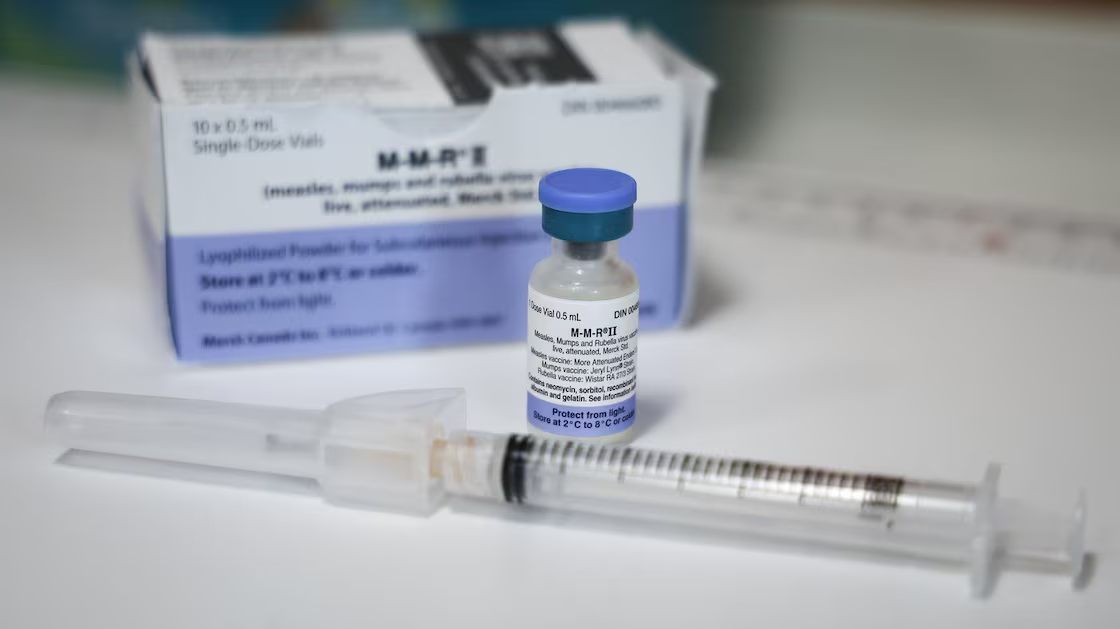
“Secretary Kennedy, during your confirmation you promised to uphold vaccine standards,” Barrasso said. “Since then, the public has seen measles outbreaks and the CDC director fired.”
Democrats were more blunt. Senator Maria Cantwell displayed a chart showing vaccines had reduced diseases by nearly 100 percent. “This is what vaccines delivered, and you refuse to support it,” she told Kennedy.
The CDC Shake-Up
Kennedy faced especially sharp criticism over Monarez’s firing. She revealed in a Wall Street Journal op-ed that she was pressured to approve vaccine policies in advance—something she argued weakened scientific standards.
Kennedy denied that claim, but he doubled down on his decision. He accused the CDC of misleading Americans during the pandemic, citing confusion over masks, boosters, and transmission.
“I need to fire some of those people to make sure this doesn’t happen again,” Kennedy declared.
That remark stunned Democratic Senator Mark Warner, who then asked if Kennedy accepted that one million Americans had died from COVID. Kennedy replied, “I don’t think anybody knows,” drawing accusations of ignorance.
Mounting Calls to Resign
Kennedy’s tenure has been turbulent since day one. He fired all 17 members of a CDC vaccine advisory panel, replacing some with known vaccine skeptics. He also narrowed eligibility for COVID shots and cut \$500 million in mRNA research funding.
The changes sparked outrage across the health community. More than 1,000 current and former health officials have urged him to step down.
At the hearing, Senator Ron Wyden openly called for his resignation. Several other lawmakers voiced the same demand.
A Political Tightrope
Republicans find themselves in a delicate spot. Many support Trump’s vaccine initiative, yet Kennedy’s policies threaten that legacy. Cassidy himself played a decisive role in Kennedy’s confirmation, only after receiving assurances that vaccine policy would remain untouched.
Now, with growing concerns inside Congress, his assurances appear to be unraveling.
The Larger Picture
The clash highlights a broader struggle over public trust, science, and political loyalty. For Kennedy, the pressure is only mounting. His critics argue his policies endanger Americans. His allies claim he is challenging a broken system.
What is clear is that Kennedy’s fight over vaccines is far from over—and Washington is bracing for the next round.