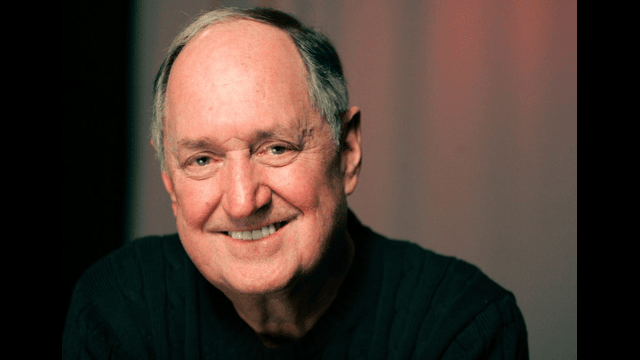
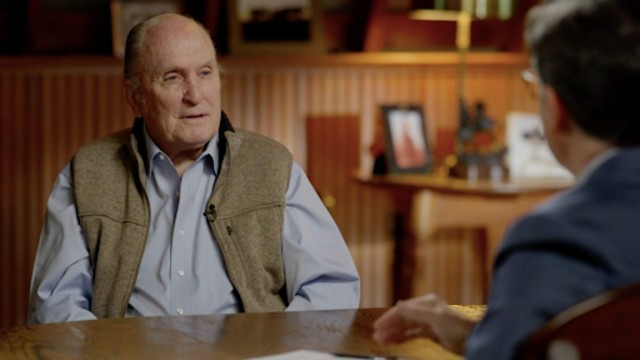
Rob Reiner’s Death Sends Shockwaves Through Film and Politics. AP Photo
Hollywood is mourning the loss of Rob Reiner, the acclaimed filmmaker and actor whose work shaped generations of moviegoers. Reiner, 78, and his wife, photographer Michele Singer Reiner, were found dead Sunday at their Brentwood home in Los Angeles. Authorities said they are investigating an apparent homicide.
Emergency services responded to a medical aid call shortly after mid-afternoon. Law enforcement officials confirmed the couple were victims, though details remain limited as the investigation continues.
Reiner’s death has stunned the entertainment world, political leaders, and admirers across generations. Tributes poured in within hours, reflecting the breadth of his influence both on screen and beyond it.
From Sitcom Stardom to Film Greatness
Born Robert Reiner in the Bronx on March 6, 1947, he was the son of comedy legend Carl Reiner. As a young man, Reiner struggled with living in his father’s shadow. Yet he eventually followed a similar path, forging a career that spanned acting, directing, producing, and activism.
His breakthrough came at just 23, when Norman Lear cast him as Michael “Meathead” Stivic on All in the Family. The role made him a household name and earned him five Emmy nominations. He won twice.
Lear became a mentor and guiding force. Reiner later said the show taught him that activism and art could exist side by side.
A Golden Run of American Classics
Reiner’s transition to directing in the 1980s changed film history. His debut, This Is Spinal Tap, redefined comedy and launched the mockumentary genre.
What followed was a remarkable streak. Stand By Me, The Princess Bride, and When Harry Met Sally… arrived within four years. Each became deeply embedded in popular culture. Their lines, scenes, and characters remain endlessly quoted.
Though some later films found less commercial success, Reiner continued directing, acting, and producing for decades. His work included Misery, A Few Good Men, The American President, and the recent documentary Albert Brooks: Defending My Life.
A Voice Beyond Hollywood
Reiner was equally known for his political engagement. A lifelong Democrat, he hosted fundraisers and championed liberal causes. He co-founded the American Foundation for Equal Rights, which challenged California’s same-sex marriage ban. He also led efforts supporting early childhood development initiatives.
His activism reflected family values. His parents protested McCarthyism and the Vietnam War. Reiner often said public influence carried responsibility.
“If doors open, you still have to deliver,” he once said.
Tributes Across Ideologies
The reaction to Reiner’s death crossed political and cultural lines.
Former President Barack Obama praised his belief in human goodness and lifelong commitment to action. California Governor Gavin Newsom called him a big-hearted genius whose empathy made stories timeless.
Actor Jerry O’Connell shared a simple message of love. Josh Gad remembered Reiner as a great director and a beautiful human being. Paul Walter Hauser credited A Few Good Men for inspiring his acting career.
Even amid political differences, respect endured. James Woods recalled Reiner’s loyalty during Ghosts of Mississippi, saying their friendship outlasted disagreements.
Los Angeles Mayor Karen Bass described Reiner as a force who improved lives through creativity and justice-driven advocacy. Nancy Pelosi called the deaths devastating and highlighted Michele Reiner as an indispensable partner.
The family of Norman Lear said Reiner was like a son, devoted to making the country better.
A Lasting Absence
Reiner’s life intertwined art, conscience, and warmth. He told stories that understood friendship, love, and moral courage. His films felt personal because they were.
As the investigation continues, Hollywood grieves a storyteller who helped define it. Rob Reiner leaves behind enduring films, a fierce moral voice, and generations shaped by his work.