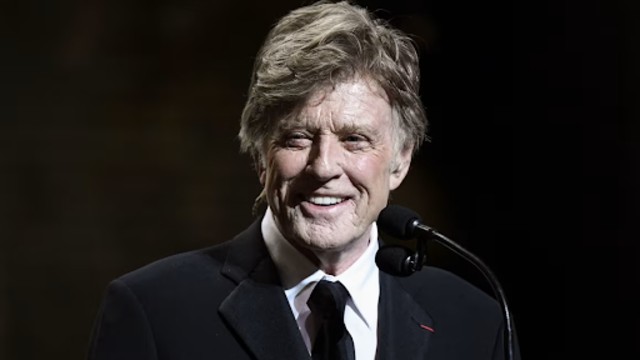
Actor and director Robert Redford was a lifelong environmentalist and committed philanthropist. Getty Images
Robert Redford, the legendary actor, Oscar-winning director, and founder of the Sundance Film Festival, has died at the age of 89. His longtime publicist confirmed that he passed away peacefully in his sleep at his home near Provo, Utah, on Tuesday.
Redford’s career spanned more than six decades, making him one of Hollywood’s most enduring and influential figures. From his breakout in Butch Cassidy and the Sundance Kid to his directorial triumph with Ordinary People, he defined both stardom and artistic independence in American cinema.
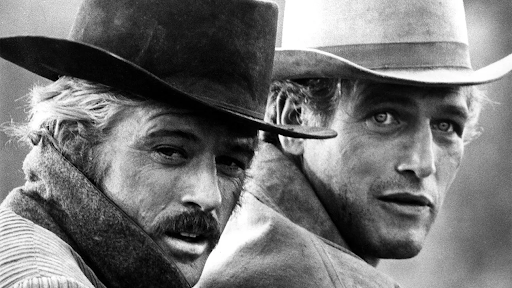
Robert Redford and Paul Newman in 1969’s ‘Butch Cassidy and the Sundance Kid.’ Courtesy of 20th Century Fox Film Corp./ Everett Collection
A Star Who Defined Generations
Born Charles Robert Redford Jr. on August 18, 1936, in Santa Monica, he grew up in modest circumstances. His father worked long hours as a milkman and later an accountant, while his mother encouraged his adventurous spirit. After her untimely death, Redford dropped out of the University of Colorado and traveled across Europe, shaping his political and artistic worldview.
Though he first dreamed of becoming a painter, his path led to acting. He studied at the American Academy of Dramatic Arts and eventually found success in theater, television, and film. By the late 1960s, Redford was a household name. His good looks, charisma, and emotional depth made him equally convincing as a romantic lead or a conflicted antihero.
Breakthrough Roles and Lasting Legacy
Redford’s performance as the Sundance Kid opposite Paul Newman in the 1969 classic changed his life. He went on to star in The Way We Were with Barbra Streisand and All the President’s Men, where he portrayed journalist Bob Woodward. His characters often reflected the idealism and disillusionment of America during the 1970s.
Critics admired how he balanced charm with substance, whether playing an outlaw, a politician, or a journalist. He became not just a star but a symbol of thoughtful Hollywood storytelling.
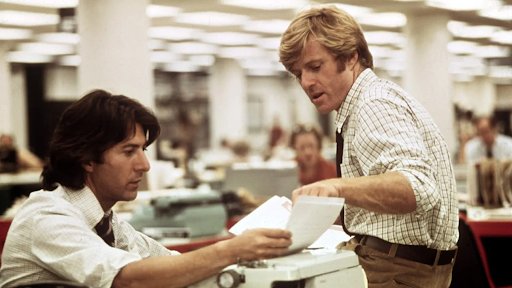
Dustin Hoffman and Robert Redford in 1976’s ‘All the President’s Men.’ Courtesy Everett Collection
In 1980, Redford won the Academy Award for Best Director with Ordinary People. The film, a family drama, showed his skill behind the camera and cemented his reputation as a filmmaker of depth and restraint. He later directed acclaimed works like A River Runs Through It and Quiz Show.
Building Sundance and Championing Artists
Beyond his acting and directing, Redford transformed independent cinema. In Utah, he created the Sundance Institute and the Sundance Film Festival, which became the world’s leading platform for independent filmmakers.
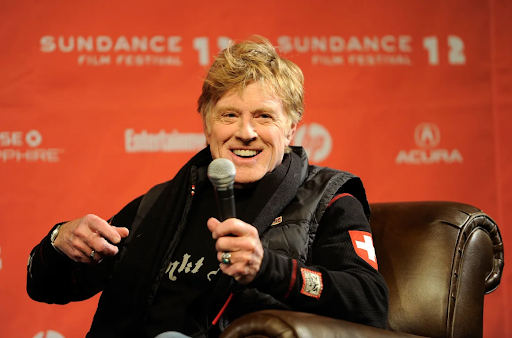
Sundance Institute President and Founder Robert Redford speaks at the festival's opening day press conference in 2012.
His vision gave countless new directors and actors their start, shaping the future of American film. For Redford, Sundance was more than a festival — it was a “great experiment” in artistic freedom and innovation.
Personal Life and Challenges
Redford’s personal journey carried both triumph and heartbreak. He married historian Lola Van Wagenen in 1958, with whom he had four children. Their infant son, Scott, died tragically at just two months old, and his son Jamie passed away in 2020 from cancer.
He later married German artist Sibylle Szaggars in 2009, who survives him along with his daughters Shauna and Amy and seven grandchildren.
Despite personal losses, Redford remained committed to causes he believed in. He was a passionate environmentalist and outspoken advocate for Native American and LGBTQ rights. In 2016, President Barack Obama honored him with the Presidential Medal of Freedom.
A Reluctant Icon
Redford often described himself as an outsider, uneasy with Hollywood’s glare. He preferred living in Utah, away from the industry’s spotlight. Known for perfectionism, he avoided roles that didn’t feel authentic and turned down projects like The Graduate.
His humility and insecurity surprised many. Colleagues recalled moments when he doubted his performances, despite his legendary status. Yet his influence never faded. Even late in life, he appeared in films such as All Is Lost and The Old Man and the Gun, before announcing his retirement in 2018.
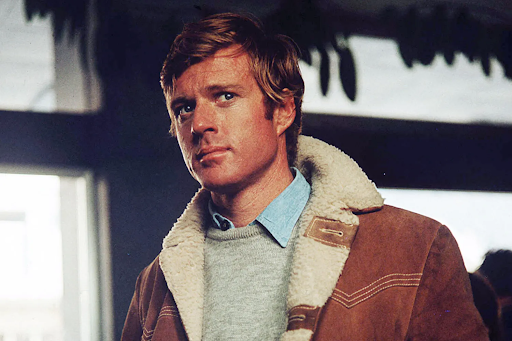
Robert Redford in 1969.
Remembering a Hollywood Legend
Robert Redford leaves behind an unparalleled legacy. He was not only a star of unforgettable films but also a visionary who changed how stories are told.
His passing marks the end of an era in Hollywood, yet his influence will endure through the festival he built, the films he created, and the countless artists he inspired.
Redford once summed up his philosophy simply: “I was always about breaking the rules. I wanted to be free.”
Today, Hollywood and audiences worldwide remember him as exactly that — a free spirit whose artistry defined generations.