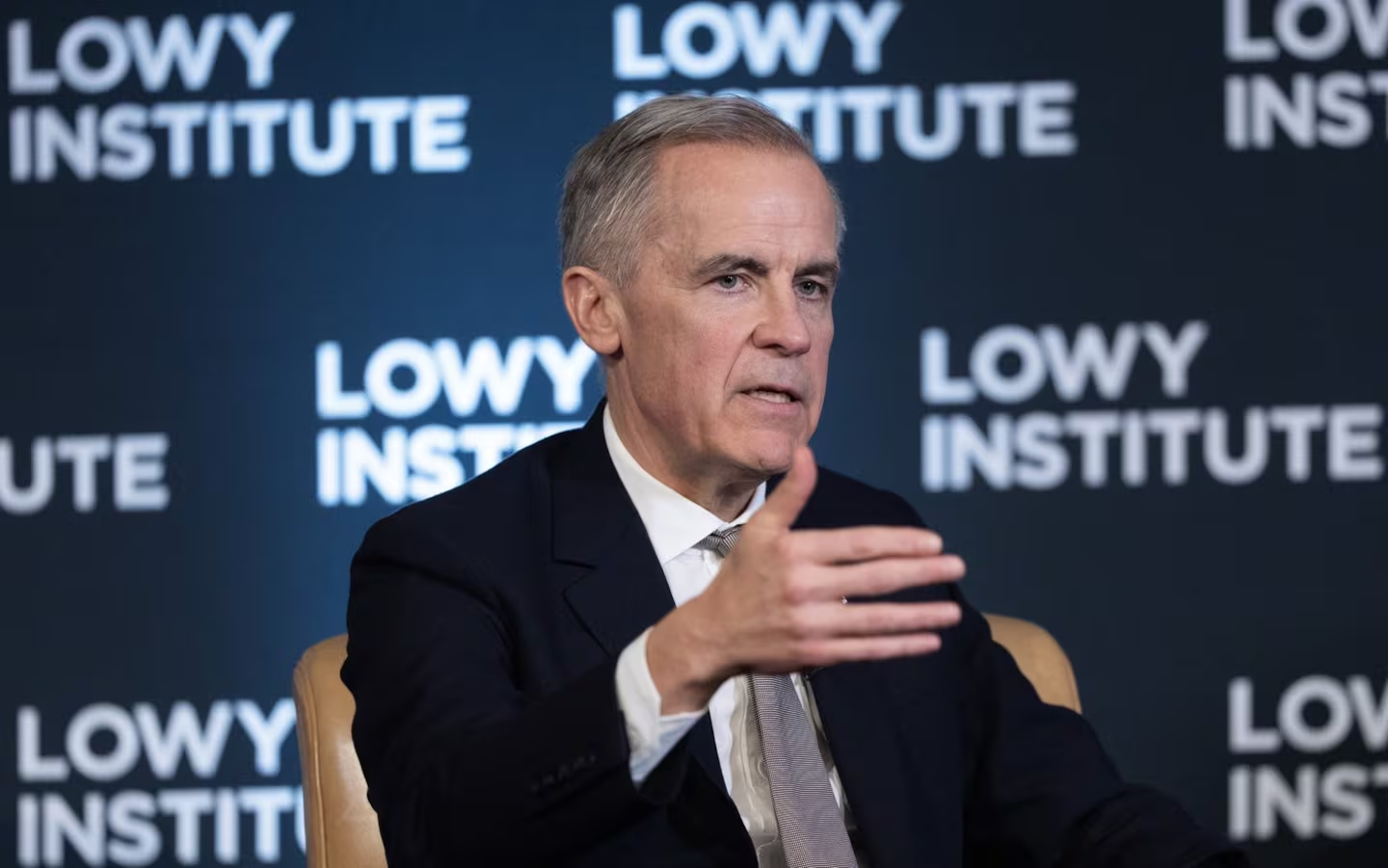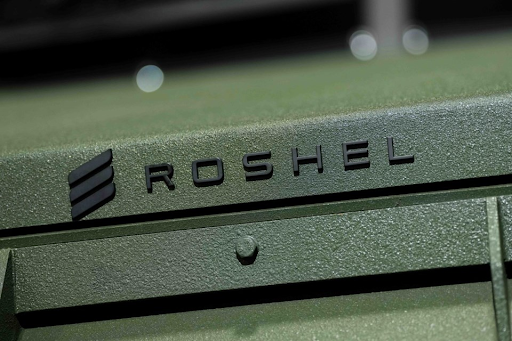
The logo on a Roshel armoured vehicle is shown at a defence industry trade show in Ottawa on May 28, 2025. The Canadian Press
U.S. Immigration and Customs Enforcement says its new armoured vehicles from Roshel follow American purchasing rules. The agency says the Roshel Senator vehicles qualify under Buy American requirements. ICE says the “production of the Roshel Senator emergency response vehicle originates in the United States.” The agency shared this in an emailed statement.
Reporters asked for a spokesperson to confirm the claim. ICE did not provide one. The agency also took several days to respond to earlier questions about the contract. This delay raised more interest in how the deal came together.
Company Stays Silent
Roshel has not answered repeated calls or emails about the vehicle order. The company is based in Brampton, Ontario. It produces armoured vehicles used by governments and private groups in several countries. The silence from the company adds to the uncertainty around the contract.
A Large Sole-Source Contract
ICE is purchasing 20 armoured vehicles from Roshel. The order is a sole-source contract worth about $10 million in Canadian dollars. Sole-source deals move quickly and avoid open competition. Agencies often use them when they claim urgent need.
ICE calls this a rush order. The agency did not explain the nature of the urgency. Critics say rush contracts deserve closer review because they limit oversight.
Critics Question the Deal
The contract sparked backlash from several anti-arms advocates in Canada. Some Canadian politicians also raised concerns. They point to past claims of human rights violations linked to ICE. They argue that Canadian companies should not support agencies facing such allegations.
Advocates also say the contract highlights a larger issue. They warn that Canadian firms may face fewer limits when dealing with foreign security agencies. They want Canada to create clearer rules for arms-related exports.
Buy American Debate Continues
The key question centres on where the Roshel vehicles are built. Buy American rules require U.S. agencies to buy goods produced in the United States. ICE says the Senator vehicles meet those standards. It did not provide further details. Roshel’s website and previous filings list manufacturing work in both Canada and the United States.
Trade experts say cross-border production is common. A product may use components from different countries. Critics want ICE to explain how much work takes place in the United States and how much in Canada.
Growing Calls for Transparency
The slow response from ICE and silence from Roshel leave many questions. Opposition politicians in Canada say the public deserves more clarity. They want to know how the deal aligns with Canada’s values. They also want details on the production process.
Advocates say transparency matters most when a contract involves armoured vehicles. They argue that clear answers can help avoid future controversy.
The story continues to develop as groups on both sides of the border push for more information.