Russia accidentally damaged the only launch site it uses to send astronauts into space. Yahoo!
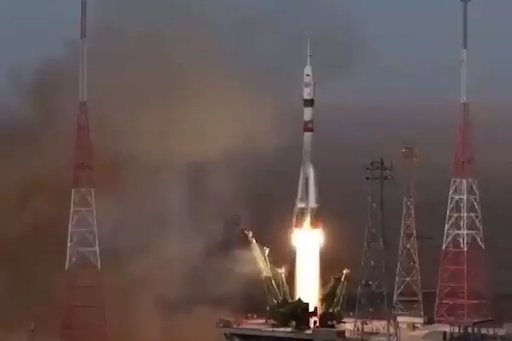
Russia faces a serious setback after its only launch site for crewed missions suffered heavy damage during a rocket launch on Thursday. The incident took place at the Baikonur Cosmodrome in Kazakhstan, a site Russia relies on for all human spaceflight. Roscosmos says the launchpad cannot support any further missions until repairs take place.
This marks the first time in decades that Russia cannot send astronauts into space. The loss of the pad leaves the country with no active route for crewed launches, raising urgent questions about how quickly repairs can move ahead.
Crew Reaches ISS Safely
Despite the launchpad failure, the Soyuz MS-28 mission itself reached orbit without trouble. The three-person crew included NASA astronaut Chris Williams along with two Russian crew members. They arrived safely at the International Space Station on Thursday evening and began their planned eight-month stay.
Roscosmos released launch footage showing part of the pad collapsing into an exhaust channel as the rocket lifted off. The agency later confirmed that “damage to a number of elements of the launchpad was detected.” Officials say they have spare parts and tools ready for repairs, but the full assessment continues.
Extent of Damage Raises Concerns
Analysts say the repair timeline may be longer than Roscosmos suggests. Early reports point to destroyed cabling, sensors, and parts of the service bay. These systems are essential for safe crewed launches, and replacing them may require more time than stated.
Vitaliy Egorov, a well-known Russian space analyst, shared concerns online. “This is the only launchpad Roscosmos uses for the ISS program, and in the future it was supposed to be used for launches to the Russian Orbital Station,” he wrote. He added that Russia now must either fix this pad quickly or upgrade a different one if it wants to restore crewed launch capability.
His comments underline the seriousness of the situation. Russia has sent humans to space without interruption since 1961. This incident ends that long stretch.
Russia’s Future Space Plans
Russia continues to work on its own new orbital outpost, the Russian Orbital Service Station. Officials expect that station to replace the ISS after it retires in 2030. The damaged launchpad was supposed to play a key role in those future missions.
The crew now aboard the ISS will stay there until July 2026. Their mission will continue as planned, but Russia now faces pressure to repair its launch system before the next scheduled crew rotation.
The failure also adds stress to Russia’s larger space program, already challenged by aging equipment and reduced international partnerships. How quickly the country completes the repair work may shape the future of its human spaceflight program for years.