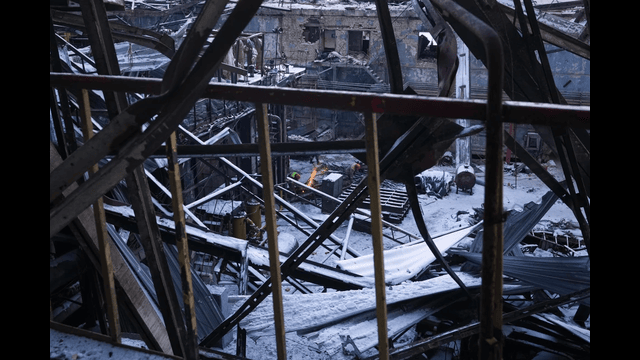
Workers repair the company's power plant destroyed by a Russian missile.
Russia does not have the capability to launch a NATO attack this year or next, according to European intelligence officials.
However, Moscow is quietly preparing for a larger military presence along NATO’s eastern borders.
Those plans depend heavily on how the war in Ukraine unfolds in the coming months.
Estonia’s foreign intelligence chief, Kaupo Rosin, shared this assessment during an online briefing with journalists.
He said Russia remains deeply focused on Ukraine and shows no real intention of ending the war soon.
At the same time, long-term military ambitions toward NATO remain firmly in place.
Russia’s Military Limits and Long-Term Intentions
Rosin said Russia currently lacks the resources for a direct Russia NATO attack.
The Kremlin is stretched thin by its ongoing invasion of Ukraine.
Large portions of its military remain tied down inside occupied territories.
Despite these constraints, Russia is planning significant force expansion.
Rosin explained that Moscow aims to create new military units.
It also wants to multiply its prewar forces near NATO borders by two or three times.
These ambitions are not immediate.
They depend on future developments in Ukraine and diplomatic negotiations.
Russia would need to secure its gains before shifting attention elsewhere.
Ukraine War Shapes NATO Calculations
The outcome of the Ukraine war remains the key variable.
Russia must keep sizable forces inside Ukraine to prevent counterattacks.
It also needs troops inside Russia for domestic security.
Because of this, Moscow cannot redirect enough power toward NATO right now.
Rosin said there are simply “not enough resources available” for a NATO attack.
Still, Russia is watching Europe closely as defense spending rises.
The Kremlin fears that Europe may soon be capable of offensive military action.
That concern is shaping Russia’s long-term military planning.
It also fuels Moscow’s aggressive rhetoric toward the alliance.
Talks With Washington Seen as Tactical Delay
According to Rosin, Russia views talks with the United States strategically.
He said Moscow is deliberately playing for time.
There is no genuine intent to cooperate meaningfully with Washington.
Estonian intelligence suggests Russian officials still see the U.S. as their main adversary.
That view is based on internal Russian discussions gathered by NATO intelligence.
Rosin did not disclose how the information was obtained.
Publicly, Russian officials say they want a negotiated settlement.
Privately, they show little willingness to compromise.
Their core demands remain unchanged.
Putin’s Belief in Military Victory
Rosin said President Vladimir Putin still believes he can win in Ukraine.
In his view, military success remains possible with enough time.
That belief shapes every major Kremlin decision.
Putin also believes he can outmaneuver the United States diplomatically.
Rosin said this confidence is deeply ingrained.
It has survived years of economic pressure and battlefield losses.
Only a catastrophic situation could force a shift in Putin’s thinking.
That could include major domestic unrest or a military collapse.
For now, neither appears imminent.
U.S. Officials See Progress in Talks
The White House pushed back against Rosin’s assessment.
A U.S. official said negotiations have made “tremendous progress.”
They pointed to recent prisoner exchanges as evidence.
One agreement reached in Abu Dhabi led to the release of more than 300 prisoners.
The talks involved the United States, Ukraine, and Russia.
Officials say such steps show momentum toward ending the war.
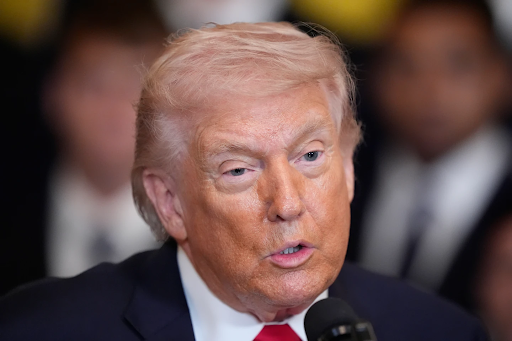
President Donald Trump has also pressed for faster results.
Ukrainian President Volodymyr Zelenskyy said a June deadline was proposed.
Previous deadlines, however, have passed without major consequences.
Experts Warn of Competing Narratives
Russia expert Fiona Hill offered a more skeptical view.
She said both Trump and Putin are clinging to preferred narratives.
Putin wants to appear victorious, while Trump wants to be seen as a peacemaker.
Hill questioned what intelligence information reaches Trump directly.
She suggested advisers may filter information selectively.
That could reinforce optimistic assumptions about Putin’s intentions.
She also raised concerns about U.S. envoys meeting Putin without translators.
Misunderstandings, she warned, could distort negotiations.
Both leaders may be hearing what they want, not reality.
War Continues as Diplomacy Stalls
While talks continue, violence on the ground persists.
Russian glide bombs recently struck Sloviansk in eastern Ukraine.
An 11-year-old girl and her mother were killed.
Drone attacks elsewhere wounded several civilians, including children.
These strikes underline the gap between diplomatic optimism and battlefield reality.
For now, the threat of a Russia NATO attack remains distant, but the war grinds on.