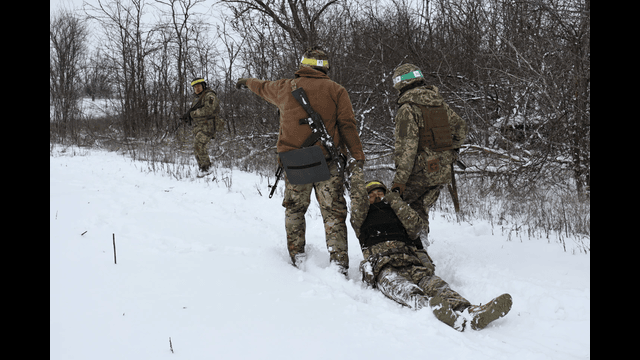
In this photo provided by Ukraine’s 65th Mechanized Brigade press service, recruits attend drills at a training ground in the Zaporizhzhia region, Ukraine, Monday, Dec 29, 2025.
European and Canadian leaders intensified diplomatic efforts on Tuesday to support U.S.-led peace talks aimed at ending the Russia-Ukraine war. The conflict is nearing its fourth year, and global pressure to secure a breakthrough is growing.
The discussions took place virtually and brought together European heads of government, Canadian Prime Minister Mark Carney, senior EU officials, and NATO Secretary-General Mark Rutte. Polish Prime Minister Donald Tusk confirmed the meeting and shared cautious optimism about the direction of the talks.
Tusk told Poland’s Cabinet that peace now appears possible. However, he warned that a final agreement remains uncertain and fragile.
Fresh Diplomacy After Trump-Zelenskyy Meeting
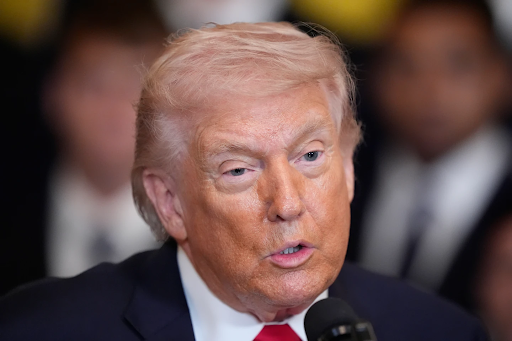
This was the first major European coordination since U.S. President Donald Trump met Ukrainian President Volodymyr Zelenskyy in Florida on Sunday. Trump claimed the Russia-Ukraine war peace efforts were “closer than ever” to success.
Still, Trump admitted unresolved issues could derail progress. He stressed that sustained diplomacy is essential to overcome lingering distrust between Moscow and Kyiv.
Coalition of the Willing Takes Shape
Zelenskyy announced new diplomatic steps to strengthen Ukraine’s position in the peace process. He said officials from around 30 supportive countries would soon gather under a group called the “Coalition of the Willing.”
National security advisers are scheduled to meet in Ukraine on January 3. A leaders’ summit will follow in France on January 6. Zelenskyy thanked Trump administration officials for showing readiness to engage, though he shared no specifics.
Europe Demands Transparency From Russia
German Chancellor Friedrich Merz joined Tuesday’s talks and emphasized accountability. In a post on X, he said the peace process must now move forward with honesty from all sides.
Merz directly referenced Russia, urging transparency as tensions escalated following new allegations from Moscow.
Drone Attack Claims Cloud Peace Efforts
Russia accused Ukraine of launching a massive drone attack near a lakeside residence linked to President Vladimir Putin. Moscow claimed 91 long-range drones targeted the area shortly after Trump’s meeting with Zelenskyy.
Ukraine strongly denied the allegation. Ukrainian officials said Russia offered no credible proof and accused the Kremlin of spreading misinformation.
Trump reacted cautiously, saying he disliked the incident and feared it could undermine Russia-Ukraine war peace efforts.
Ukraine Rejects Moscow’s Narrative
Ukrainian Foreign Minister Andrii Sybiha said Russia failed to provide evidence supporting its claims. He insisted no such attack occurred.
Sybiha pointed to Russia’s past denials before launching its full-scale invasion in February 2022. He said Moscow has a long history of misleading statements.
Zelenskyy also dismissed the claim, calling it another attempt to sabotage diplomacy.
Kremlin Pushes Back Against Accusations
Kremlin spokesperson Dmitry Peskov rejected Ukraine’s denials. He argued the alleged attack was meant to disrupt Trump’s peace initiative.
Peskov said Russia’s military would decide whether to release evidence. He added that proof was unnecessary, further fueling skepticism among Western officials.
A Region Steeped in Political History
The alleged incident reportedly occurred in Russia’s Novgorod region. The area hosts Dolgie Borody, one of the Kremlin’s official residences.
Located near Valdai, about 400 kilometers northwest of Moscow, the retreat has served Soviet and Russian leaders for decades.
Analysts Warn of Delaying Tactics
The Institute for the Study of War, a Washington-based think tank, expressed concerns over Moscow’s intentions. Analysts said Russia may be trying to slow negotiations deliberately.
The group noted that since Trump renewed diplomatic pressure, the Kremlin has sought to delay talks. It aims to avoid concessions and limit U.S. leverage.
A Fragile Path Forward
Despite rising tensions, global leaders remain engaged. Europe, Canada, and the United States continue coordinating to push Russia-Ukraine war peace efforts forward.
Diplomacy now stands at a critical crossroads. Whether optimism turns into agreement depends on trust, evidence, and political will.