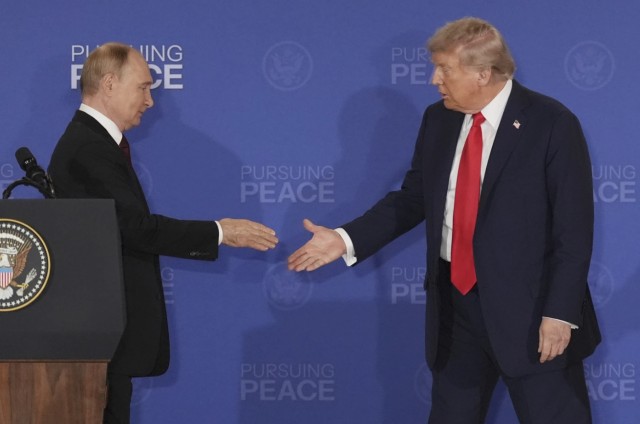
President Donald Trump, right, walks to shake the hand of Russia’s President Vladimir Putin during a joint press conference at Joint Base Elmendorf-Richardson, Alaska, Friday, Aug. 15, 2025.
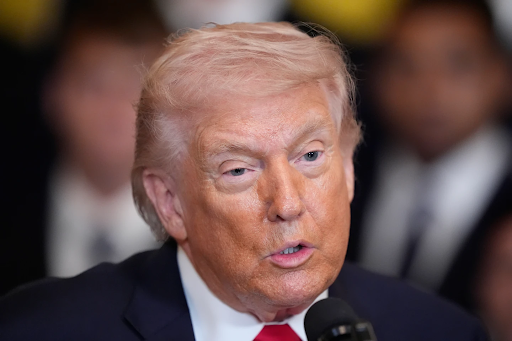
U.S. President Donald Trump began the week with bold claims of progress on Russia-Ukraine peace talks. He said he had initiated arrangements for a direct meeting between Russian President Vladimir Putin and Ukrainian President Volodymyr Zelenskyy.
Just four days later, that optimism has faded. Moscow signaled it will not agree to a summit unless Ukraine accepts longstanding Russian demands.
The development is a blow to Trump’s promise of ending the war quickly. The president had framed his diplomatic push as the start of “real momentum” toward halting the conflict.
Trump’s Hope for Breakthrough Stalls
On Monday, Trump highlighted his discussions with Zelenskyy, European leaders, and a phone call with Putin. He declared he was preparing for a direct Putin-Zelenskyy meeting, potentially followed by three-way talks involving him.
European leaders initially reacted with cautious optimism. At the White House, Trump had hinted at stronger U.S. backing for Europe’s security guarantees to Ukraine. His tone reassured allies after earlier remarks that seemed to favor Moscow’s territorial claims.
But by Friday, Russian objections cast serious doubt on Trump’s efforts. Foreign Minister Sergey Lavrov said Putin would only meet Zelenskyy once senior officials settled key disputes. He stressed the summit agenda was “not ready at all.”
Russia Pushes Back on Security Guarantees
A central sticking point remains Ukraine’s demand for Western security guarantees. Kyiv wants strong measures to deter any future Russian aggression. U.S. and European officials are working on concrete proposals, but Moscow insists it must be involved in such arrangements.
While dismissing Western efforts, Putin made a symbolic visit to Sarov, a city tied to Russia’s nuclear weapons program. The trip highlighted Russia’s military strength at a delicate diplomatic moment.
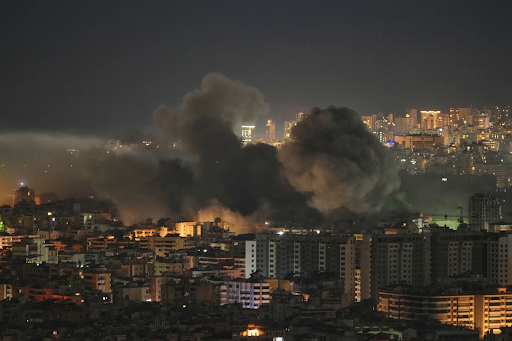
Experts note Moscow has not softened its stance. Instead, Russia escalated its aerial assault on Ukraine last week, launching hundreds of drones and missiles. Zelenskyy said Moscow’s actions prove Russia seeks to prolong the war, not end it.
Trump Threatens Next Steps
Frustrated by the lack of progress, Trump warned he will decide his next move within two weeks. He hinted at new sanctions or tariffs on Russia if the meeting does not happen.
“We’re going to see whether or not they have a meeting,” Trump told reporters. “If they don’t, I’ll know what I am going to do in two weeks.”
His remarks suggest growing impatience as Russia appears unwilling to engage in direct talks under current terms.
Europe Warns of Putin’s ‘Trap’
European Union foreign policy chief Kaja Kallas strongly cautioned against yielding Ukrainian land for peace. She said Putin’s demands amount to a dangerous “trap.”
According to Kallas, rewarding Moscow with concessions would legitimize aggression. “Russia is brutally attacking another country and killing people. They have made no concessions,” she said.
She accused Putin of stalling negotiations while intensifying violence. “Russia does not want peace. President Trump keeps saying the killing must stop, but Putin is increasing it.”
Allies Look to Break the Deadlock
NATO leaders stress that U.S. and European backing for Ukraine must remain firm. Dutch Prime Minister Mark Rutte, visiting Kyiv, said Trump hopes to “break the deadlock” with Putin.
He explained that security guarantees could work in two layers. The first would strengthen Ukraine’s armed forces after a ceasefire. The second would provide direct commitments from Europe and the United States.
Despite Trump’s push, experts believe Russia is deliberately avoiding negotiations. For now, peace talks remain stalled, leaving Trump searching for options to deliver on his promise.