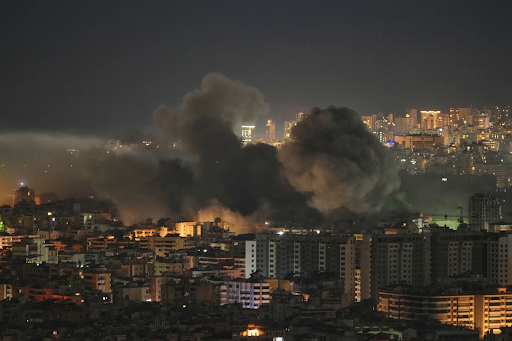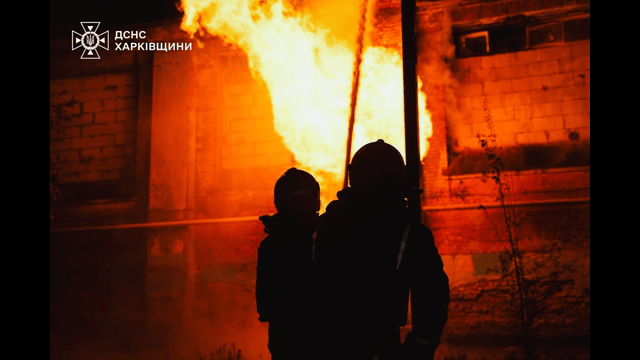
In this photo provided by the Ukrainian Emergency Services on Tuesday, Oct. 14, 2025, rescue workers put out a fire of a hospital damaged by a Russian strike in Kharkiv, Ukraine.
Russian forces unleashed a fierce overnight assault on Kharkiv, Ukraine’s second-largest city, striking a major hospital and wounding at least seven people. The attack came just days before Ukrainian President Volodymyr Zelenskyy’s scheduled meeting with U.S. President Donald Trump in Washington.
Hospital in Flames After Russian Strike
The Russian aerial attack, using powerful glide bombs and drones, targeted several sites in Kharkiv. According to regional governor Oleh Syniehubov, the city’s main hospital was among the facilities hit, forcing the urgent evacuation of 50 patients to safer locations.
President Zelenskyy confirmed that energy infrastructure was also among Russia’s targets. “Every day, every night, Russia strikes power plants, power lines, and our gas facilities,” he said on Telegram, condemning the ongoing assaults that have crippled Ukraine’s energy grid.
Moscow’s Power War
Since launching its full-scale invasion in February 2022, Russia has aimed to paralyze Ukraine’s power supply. Its continued bombardment of power plants and utilities has left millions without heat or running water during the harsh winter months.
Zelenskyy once again appealed for stronger air defense systems, emphasizing that Ukraine — nearly the size of Texas — cannot fully shield its skies without more international help. “We are counting on the actions of the U.S., Europe, and all partners who can provide systems to protect our people,” he said. “The world must force Moscow to sit at the table for real negotiations.”
Drop in European Military Aid
While Ukraine continues to plead for protection, recent data shows that European military aid has dropped significantly. According to Germany’s Kiel Institute, support for Ukraine in July and August fell by 43% compared to the first half of the year.
This decline followed the creation of a new NATO fund — the Prioritized Ukraine Requirements List (PURL) — which allows members (excluding the U.S.) to pool resources for purchasing American-made weapons and equipment for Ukraine. Despite earlier surges in military assistance, the recent dip has raised concerns about waning European commitment amid the prolonged conflict.
Zelenskyy-Trump Talks Hold High Stakes
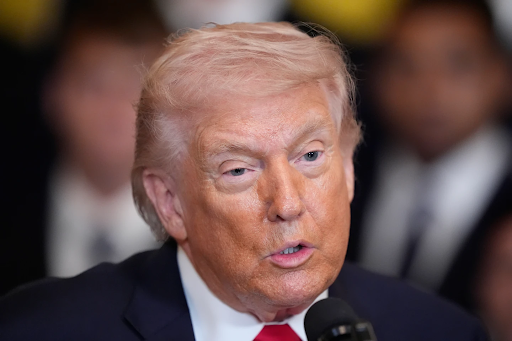
Zelenskyy’s upcoming meeting with Donald Trump is expected to focus on securing advanced weaponry, including Tomahawk cruise missiles — a move that could shift the dynamics of the war. Trump recently warned Moscow that he might authorize sending these missiles to Kyiv, signaling a potential hardline stance against Russia.
The decision, however, would mark a dramatic escalation. Tomahawk missiles have a long range and heavy warheads capable of striking targets deep within Russian territory, including Moscow itself. Their low-altitude flight path makes them difficult to intercept, offering Ukraine a major strategic advantage.
If approved, these weapons could bolster Ukraine’s defenses and pressure the Kremlin toward serious peace talks — something Trump has reportedly urged Russian President Vladimir Putin to consider.
Ukraine’s Counterstrikes Hit Russian Energy
Meanwhile, Ukraine’s own long-range attacks are already inflicting visible damage on Russia’s energy network. Using newly developed missiles and drones, Ukrainian forces have targeted oil and gas facilities across Russian territory, reportedly leading to fuel shortages. Zelenskyy said these strikes demonstrate Ukraine’s growing capability to retaliate despite limited Western supplies.
U.N. Convoy Attacked in Kherson
In another incident, a U.N. aid convoy in Ukraine’s southern Kherson region came under Russian drone fire. Two of the four trucks were set ablaze, though no casualties were reported.
Matthias Schmale, the U.N. humanitarian coordinator for Ukraine, condemned the assault, calling it “utterly unacceptable.” He emphasized that the vehicles were clearly marked with U.N. insignia and warned that “deliberately targeting humanitarians is a gross violation of international law and may amount to a war crime.”
A Critical Week for Ukraine
The Kharkiv hospital attack underscores Ukraine’s vulnerability as international aid falters. With winter approaching and energy systems repeatedly targeted, Zelenskyy’s meeting with Trump may prove pivotal in determining the next phase of the war — and whether Kyiv gains the support it desperately needs to defend its skies and secure a path toward peace.