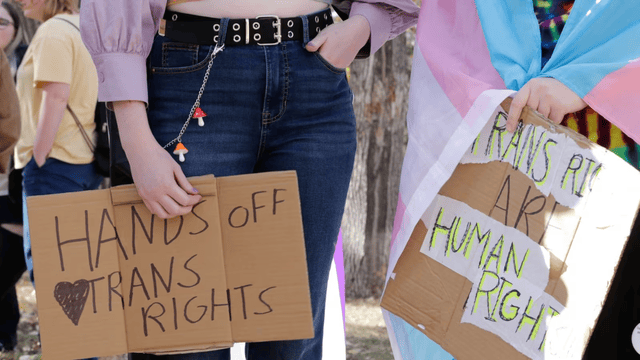
Students from Balfour Collegiate High School took part in a walkout on Tuesday, Oct. 17, 2023, in Regina. They protested the Province’s proposed pronoun legislation. (The Canadian Press)
Saskatchewan’s government wants the Supreme Court of Canada to hear its appeal fast. The case involves the province’s law on pronouns in schools. The government says this case matters for the whole country.
Background on the pronoun law
The law stops kids under 16 from changing their names or pronouns at school without their parents’ permission. The Saskatchewan government introduced this rule in 2023. Premier Scott Moe and his party say parents should be involved in these decisions.
But the law faced strong opposition. UR Pride, an LGBTQ+ group in Regina, challenged it in court. They said the rules hurt gender-diverse youth.
A judge agreed and blocked the law in September 2023. However, the government quickly passed the law again. This time, they used the “notwithstanding clause” to protect it. This clause allows governments to override certain rights for five years.
Court battle continues
The government asked the Saskatchewan Court of Appeal to dismiss the challenge. They argued that using the notwithstanding clause means courts should not interfere.
Last month, the Court of Appeal said the challenge can go on. Four out of five judges agreed courts can rule on whether the law limits constitutional rights, even with the clause.
The court’s decision means it can issue a statement on whether the law violates rights. It would not cancel the law but clarify its impact.
Saskatchewan seeks Supreme Court review
This month, Saskatchewan asked the Supreme Court to hear the appeal quickly. The province wants its case heard alongside another challenge. That challenge involves Quebec’s law banning public workers like teachers and judges from wearing religious symbols.
Quebec also used the notwithstanding clause in its law.
Saskatchewan says the case raises important questions. It wants clarity on whether courts can review laws protected by the notwithstanding clause.
UR Pride also seeks Supreme Court hearing
UR Pride’s lawyers told the Supreme Court they also want to appeal. They want the case heard fast with the Quebec religious symbol law.
Similar moves in Alberta
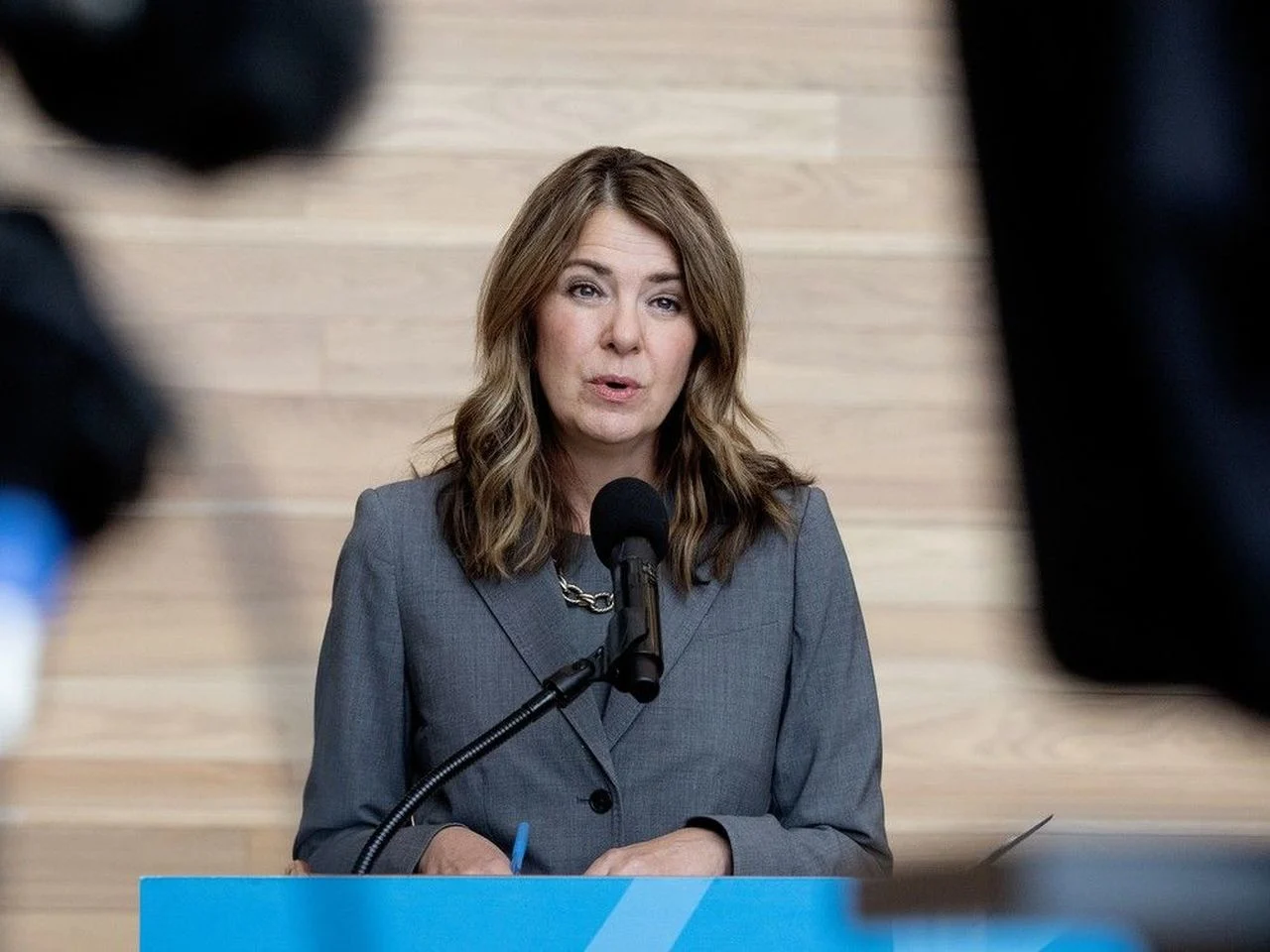
Neighbouring Alberta is watching closely. Premier Danielle Smith has said Alberta might use the notwithstanding clause too. Alberta plans to apply it to three laws this fall. These laws deal with school pronouns, female sports, and gender-affirming healthcare.
Saskatchewan’s government urges the Supreme Court to speed up its review of the school pronoun law. The law stops children under 16 from changing their pronouns or names at school without parents' consent. The province says the case raises big questions about court powers under the notwithstanding clause. UR Pride also wants to appeal, and Alberta plans similar legal moves.